
Turning the virtual spotlight onto your website, one keyword at a time!
Search engine optimization, or SEO, is the most economical and efficient technique to increase website traffic. But what is SEO actually, and how does it operate and in ways might SEO benefit you. That’s what this guide will teach you.
Nowadays, most of us start by asking search engines for answers, ideas, products, strategies, or services whenever we want them. Every day, 3.5 billion searches are made on Google alone. Thus, search engines have become essential to many business marketing tactics, just as they have become crucial in our daily lives. In fact, 49% of marketers believe that organic search has the highest return on investment.
Search engine optimization, or SEO, is a technique by which marketers use organic search as a marketing channel. Organic search is a fancy term for standard, non-ad search engine results.
So how can you leverage search engines’ potential to expand your business? You will discover all the information you require to raise your website’s search engine ranking, increase website traffic, and improve your company’s perception in this comprehensive SEO guide.
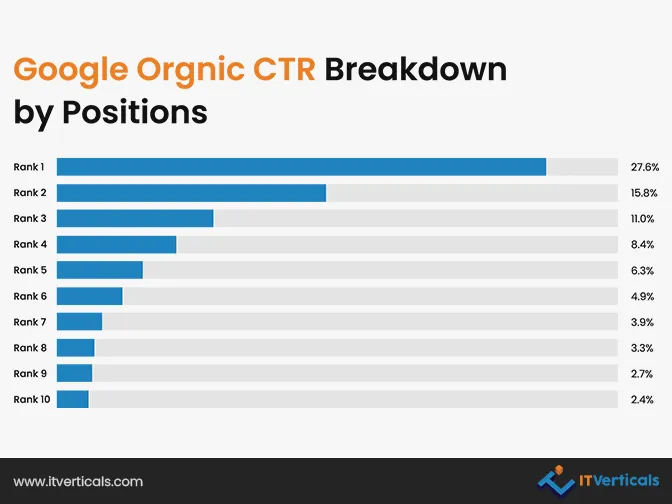
Google users search for items and information billions of times a day. It should come as no surprise that search engines frequently rank among the top sources of website traffic. You must show up in the top search results for your desired keywords in order to fully utilize the potential of this traffic source.
The relationship is straightforward: more people will visit your page if you rank higher. A page ranking in position No. 10 has ten times less chance of being clicked than the top-ranked organic result and the top three organic results get more than 50% of all the clicks.
This is where SEO enters the picture. Search engine optimization plays a key role in improving your ranking positions. Better rankings mean more traffic and more traffic means new customers and more brand awareness.
Gaining a ton of traffic from the SERPs may initially seem like the dream come true for any website owner, but in most cases, it won’t have an effect on fundamental business objectives until the traffic results in sales or other important activities. For instance, a San Francisco-based independent doughnut store might rank #1 on Google for sourdough doughnuts. It might become well known after going viral on social media as part of an oddball or humorous marketing effort.
Through these rankings and efforts, it may receive visitors from across the country or even the world, but as its product is only genuinely accessible for purchase in its home city, the majority of this traffic is unlikely to result in sales and may even serve to bolster the company’s viability only ostensibly.
As a result, using SEO to strategically plan how to attract the most qualified visitors for your offerings is a better goal than simply hoping for a large volume of traffic to your digital assets, as this will usually have the highest conversion rate. If you want to get high quality organic traffic, search engines must think that the queries you find have a high enough relevancy with your content to lead to conversions. Conversions can be anything from sales to form filling out to phone calls to leads to customers staying on your website longer.
Seeing SEO as a type of customer service is among the best things you can do to learn about it. Publicly helpful content is rewarded by Google. Actually, a major portion of their 2022 Helpful Content algorithm change was on rewarding websites that consistently post content that is actually helpful to searchers. Google has been advising website owners to produce content for users rather than search engines for decades.
SEO may make your website easier for potential users to understand, find, and use. Both the appearance of your content in the SERPs and how it appears and behaves when searchers click through to your digital assets are influenced by optimization. One of the most sensible reasons to spend money on SEO is to give the public excellent service and an excellent user experience.
SEO, or search engine marketing as it is more widely called, is what SEM stands for.
One kind of digital marketing is search marketing. It is a catch-all word for a mix of PPC and SEO efforts designed to increase visitors through both sponsored and organic search.
To put it simply, search marketing is the act of using both paid and unpaid search engine optimization techniques to increase exposure and traffic. Thus, what distinguishes SEO from SEM? In a technical sense, they are identical; SEO is merely half of SEM:
PPC, or pay-per-click, is a kind of online advertising in which sponsors are billed each time a link in their ad is clicked. Basically, when an advertiser wants their ad to show up in search engine results, they bid on particular keywords or phrases. The advertiser’s ad will show up as one of the top results when a user searches for one of those terms or phrases. Thus, if search engine marketing is like a coin, then PPC and SEO are its two sides; PPC is the side that is paid, and SEO is the side that is unpaid.
Another crucial thing to remember is that these are complementing channels, therefore it’s never appropriate to compare SEO and PPC or decide which is superior. Selecting both is always a good idea, provided that your budget permits it. As we have already stated, the phrases SEM and PPC are synonymous in the industry. That’s not the case, though, on IT Verticals.inc.
We shall always be referring to both PPC (paid search) and SEO (organic search) when we use the term “SEM.”
Making sure the information on your website is relevant and offers a positive user experience is known as on-Page SEO. It involves using content management systems (CMS) like as WordPress, Wix, Drupal, Joomla, Magento, or Shopify to target the appropriate keywords within your content. Enhancing a website’s content for both search engines and people is known as on-Page SEO.
It is the process of developing brand assets (people, marks, values, vision, slogans, catchphrases, colors, etc.) and taking actions that will eventually improve brand recognition and awareness (i.e., showcasing and expanding the brand’s authority, competence, and dependability) as well as demand generation.
Regarding technical optimizations and content, you are still in complete control. Off-site activities are still an essential component of this SEO trinity of success, even though it’s not always the case (you can’t control links from other sites or if platforms you rely on wind up shutting down or undergoing significant changes).
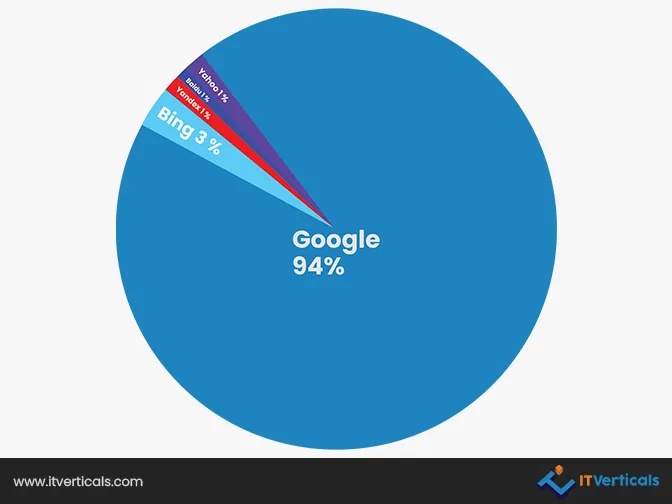
Our everyday lives are significantly impacted by search engines. The majority of us are aware of “Google.” How is a cake baked? My favorite actor lives where? Who is the author of this book? Which fashion trends are the newest? and our helpful “Google” has additional answers to queries. Among the many search engines on the market today, Google is one that ‘digs’ through the Internet to provide us the most important and pertinent content.
Now let’s examine what a search engine is.
A search engine is a piece of software or an online service that lets users enter keywords or phrases to find information on the internet. It then finds and displays relevant documents or web pages that match the user’s query.
In general, there are three phases that search engines go through:
In this phase, the websites are scanned to gather data about everything that can be found there, including the page title, keywords, layout, and, at the very least, the pages to which the site links. “Spiders” or “crawlers,” which are specialized software robots, carry out this work. Commonly, these robots begin by visiting the most frequently visited websites and servers. The route that these “crawlers” take can be determined in large part by looking at the connection structure.
After clicking on the new links, numerous related documents can be found by following them. The old websites can also be visited again to see if any updates have been made. an endless procedure. When the real material is several clicks away from the site, “crawlers” may quit up.
Selected data is kept in large storage facilities after it has all been assimilated. We are similar in that we own a large collection of books. Crawling is going through everything, and indexing is listing them with their authors and other relevant details. This illustration offers a view at a small scale. This assumption essentially explains the scope of a search engine when we extend it to books found in all libraries worldwide.
Search engines are machines that provide answers. The search engines go through their database to get the most relevant results whenever we conduct an internet search. It also assigns a ranking to these results based on how well-known the websites are. These search engines take into account popularity and relevance as the most crucial variables in order to deliver appropriate results. Search engines use different ranking algorithms. Each entry may be given a weight by an engine based on whether it appears in the title, meta tags, or subheadings. The most fundamental method makes advantage of the keyword’s search frequency. But this resulted in “keyword stuffing,” where sites are essentially full of gibberish as long as the keyword appears.
This gave rise to the idea of linking, whereby sites with more popularity would have more links. Search engines are now working to support natural language inquiries. The ability to freely understand our speech will genuinely transform this technology.
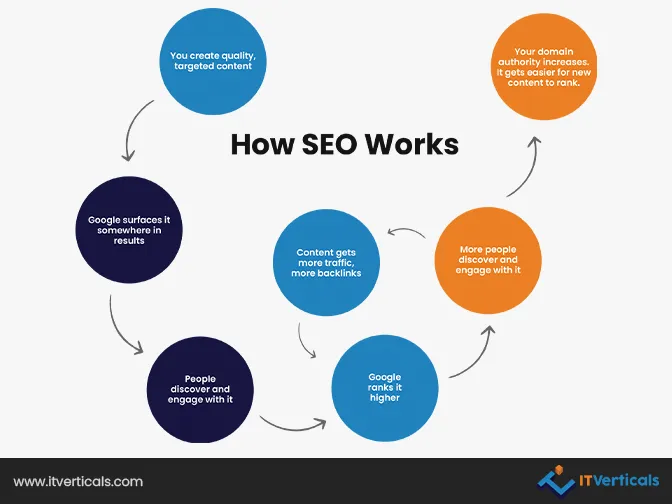
Make sure, that you’re providing relevant content is your first priority when it comes to SEO. Why?
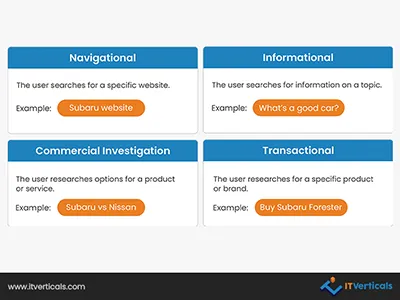
Since displaying relevant results to people is Google’s top priority. Relevance extends well beyond only returning results for searches pertaining to “dogs” rather than “cats.” Furthermore, it focuses on fulfilling the search intent of the user—the rationale behind their use of a specific search query.
Four primary categories of search intent exist:
After conducting extensive research, it’s time to put ideas into practice. Thus, it implies:
When something goes wrong or breaks on your website, you need to be aware of it. Observation is essential. You must be aware of any decrease in traffic to a vital page, slow, unresponsive, or lost pages in the index, complete website failure, broken links, or any of a host of other potentially disastrous problems.
You cannot increase SEO if you do not measure it. You must use the following to make data-driven judgments on SEO:
Website analytics: Install and utilize tools to gather performance data (at the very least, free ones like Google Analytics, Bing Webmaster Tools, and Google Search Console).
Tools and systems: While there are plenty of “all-in-one” platforms (or suites) that provide a variety of tools, you can also decide to employ a limited number of SEO tools to monitor results for particular jobs. You can also build your own tools if you have the means and none of the ones available on the market meet your particular needs.
Following data collection, you must provide an update on your progress. Reports might be manually or through software created.
Performance reports ought to be narrative in nature and should be completed at significant intervals, usually in relation to prior reporting periods (year over year, for example). Depending on the kind of website, this could happen every month, every three months, or every other interval.
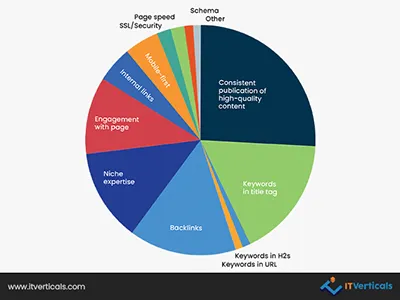
There are also the components referred to as Google’s E-E-A-T factors, which are a set of guidelines that Google gives its quality raters to consider when assessing the quality of search engine results, even though many SEOs do not view these as traditional, direct ranking factors. E-E-A-T factors are described as follows:
Experience: Is the written content based on the author’s personal first-hand experience? For instance, did the author of a restaurant review go there and sample the food? Furthermore, did the influencer who is endorsing a particular shampoo brand truly use it on their hair?
Expertise: Is the material that has been published written by someone who has gained expertise in the topic they are covering? Does the author possess degrees, licenses, or accreditations relevant to issues that are deemed “your money or your life,” such as financial advice or medical information? Regarding other types of content, such as do-it-yourself home repairs, has the writer accumulated real-world, applicable experience?
Authoritativeness: Do other people acknowledge a source’s level of expertise? Do well-known, credible websites and individuals link to and quote the content in question, as might happen if a prominent food reviewer linked to their recommendation for the best Thai restaurant in Seattle, acknowledging the restaurant’s experience in the area?
Given how different and varied SERPs have gotten, it is difficult to pinpoint a set of characteristics that unquestionably have the biggest impact on organic ranks.
If your business sells shoes, your SEO and marketing strategies will need to be different from those of a hotel, online gaming platform, software developer, architectural firm, or any other type of business. This is because, in addition to having different elements for each relevant query, the SERPs for each searcher may differ slightly or significantly depending on where they are located. Meanwhile, depending on the purpose of their inquiry, the public’s requirements and behavior may differ significantly.
We may find fewer studies these days that attempt to assign impact to each individual component as the myth of the #1 search engine ranking faded into the past. This is likely due to the logic of comprehending that there is no one size fits all when it comes to SEO ranking variables.
A newer and better best practice has emerged as a result of the SEO business maturing due to the extreme variety of the SERPs: examining the results that search engines return for your most significant searches and then examining the top competitors for these terms.
Investigate the kinds of media that Google, Bing, or other entities are returning for your top keyword phrases rather than searching for a universal top-ranking formula. Do you see any formidable biological rivals? Highlighted excerpts? picture packs? video outcomes? nearby packs? How much of an impact is AI currently having on your area of search, and how will your company react to it?
Learn the skills necessary to perform effective competitor audits—both local and organic—and to monitor and comprehend the SERP features that Google is displaying for your target market. Master the fundamentals of technical, off-page, and on-page SEO, and then explore for strategies to set your business apart from the competition in the SERPs so that actual users will see you as the most reliable and relevant answer to their questions.
This guide covers the entire SEO checklist required for better search engine ranking. This comprehensive overview contains all the helpful advice you need to prepare your website for search success the following year.
Getting organic traffic to websites requires search engine optimization or SEO. Now that 2026 is half way, website owners should start organizing their Complete SEO Checklist for 2026. Although optimizing your website for search engines should be a continuous effort, a new year offers an opportunity to revamp your SEO plan completely.
Utilizing the most recent and efficient techniques in The Complete SEO Checklist for 2026, you can take advantage of Google’s algorithm changes to significantly increase your search visibility. This tutorial will walk you step-by-step through exactly what you need to do to increase your link profiles, technological foundations, content performance, and local search rankings.
Research, resources, and comprehension are necessary for ongoing improvement when incorporating SEO best practices into your website and content marketing. An SEO checklist offers a systematic technique to increase your site’s authority in search engine results pages (SERPs) instead of irregular, piecemeal adjustments.
Everything necessary must be in place if you want to see success with SEO. If you do, ranking for your website can be easy. Although these are fundamental SEO tasks, the following advice serves as an effective SEO strategy.
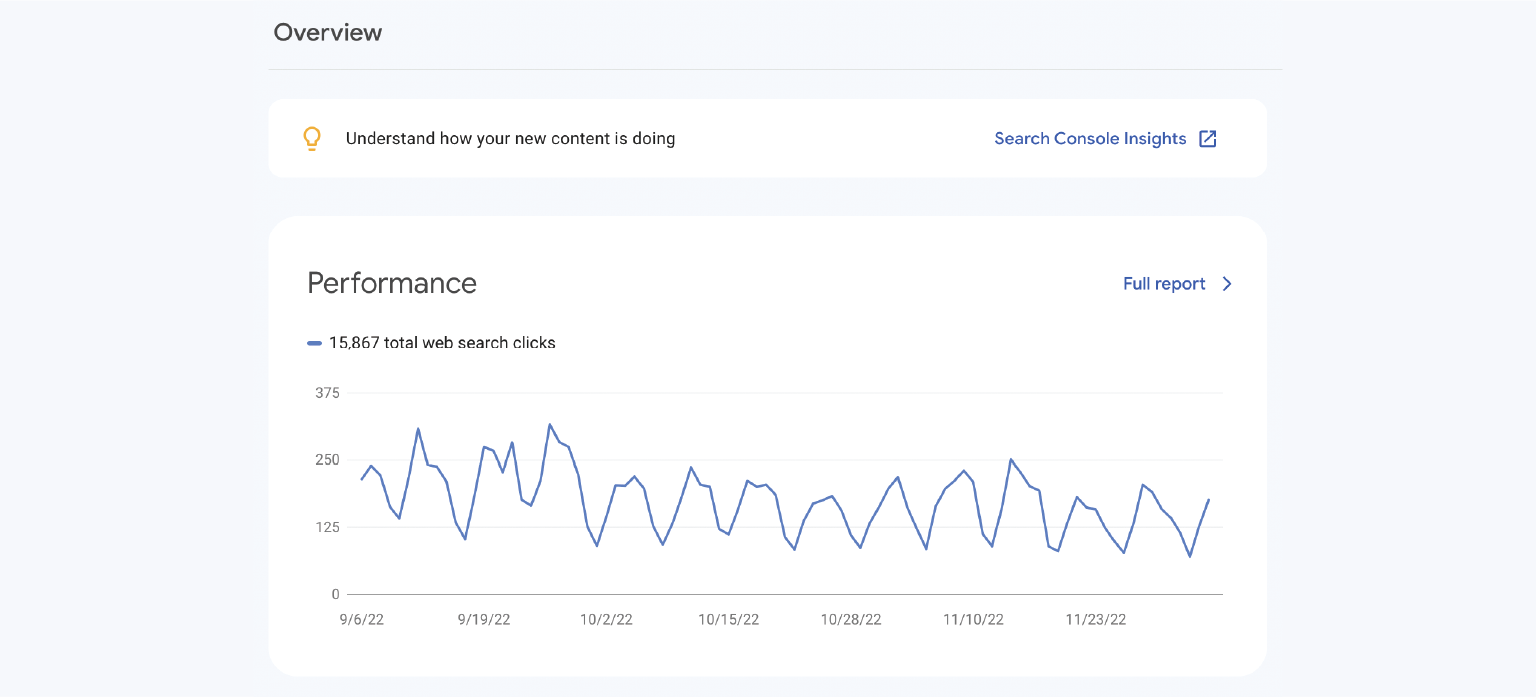
With the help of Google Search Console (GSC), you can track, manage, and debug your website’s performance in Google search results. It’s among the greatest resources for learning more about how Google views your website.
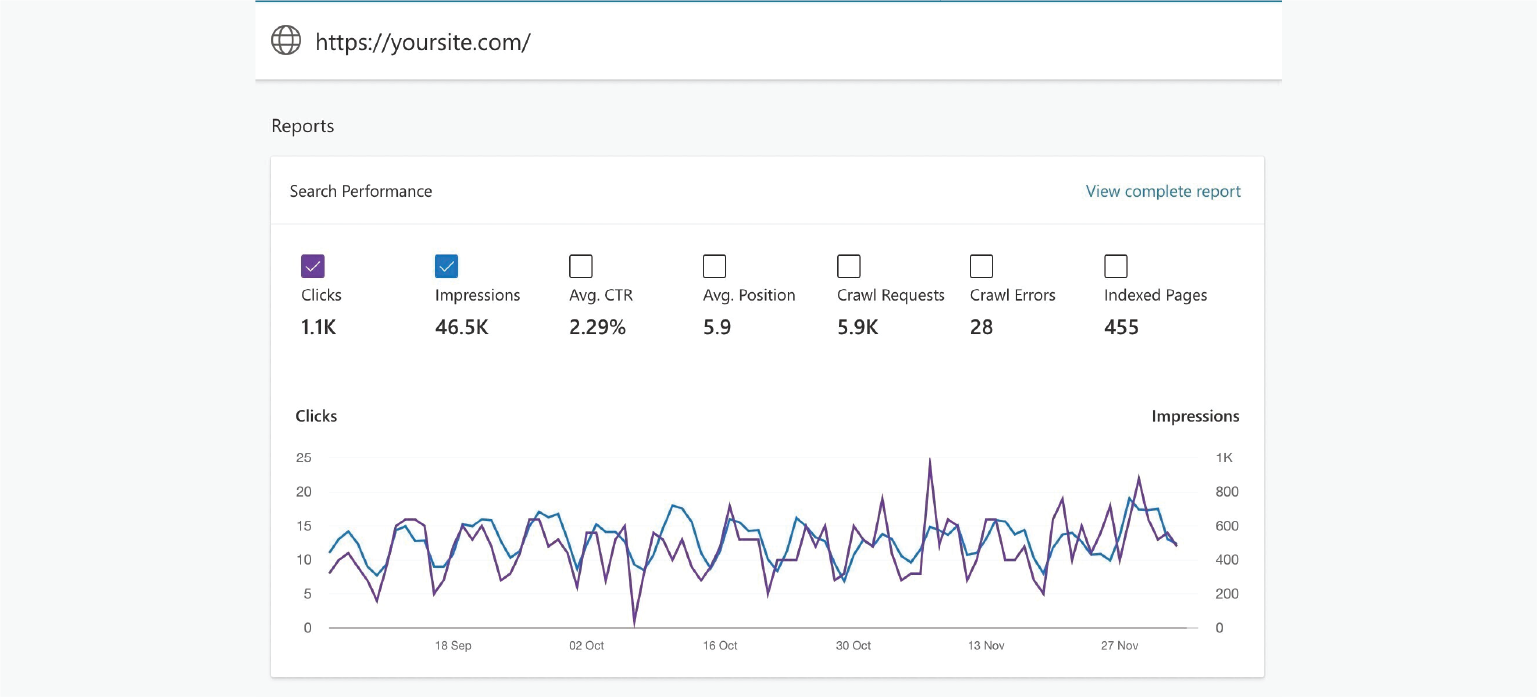
Meanwhile, the comparable tool is Bing Webmaster Tools. Regarding the Bing search engine, these two tools can help you uncover crawl issues, see the keywords people use to reach your website, and much more. It is strongly advised that you set these up if you haven’t already.
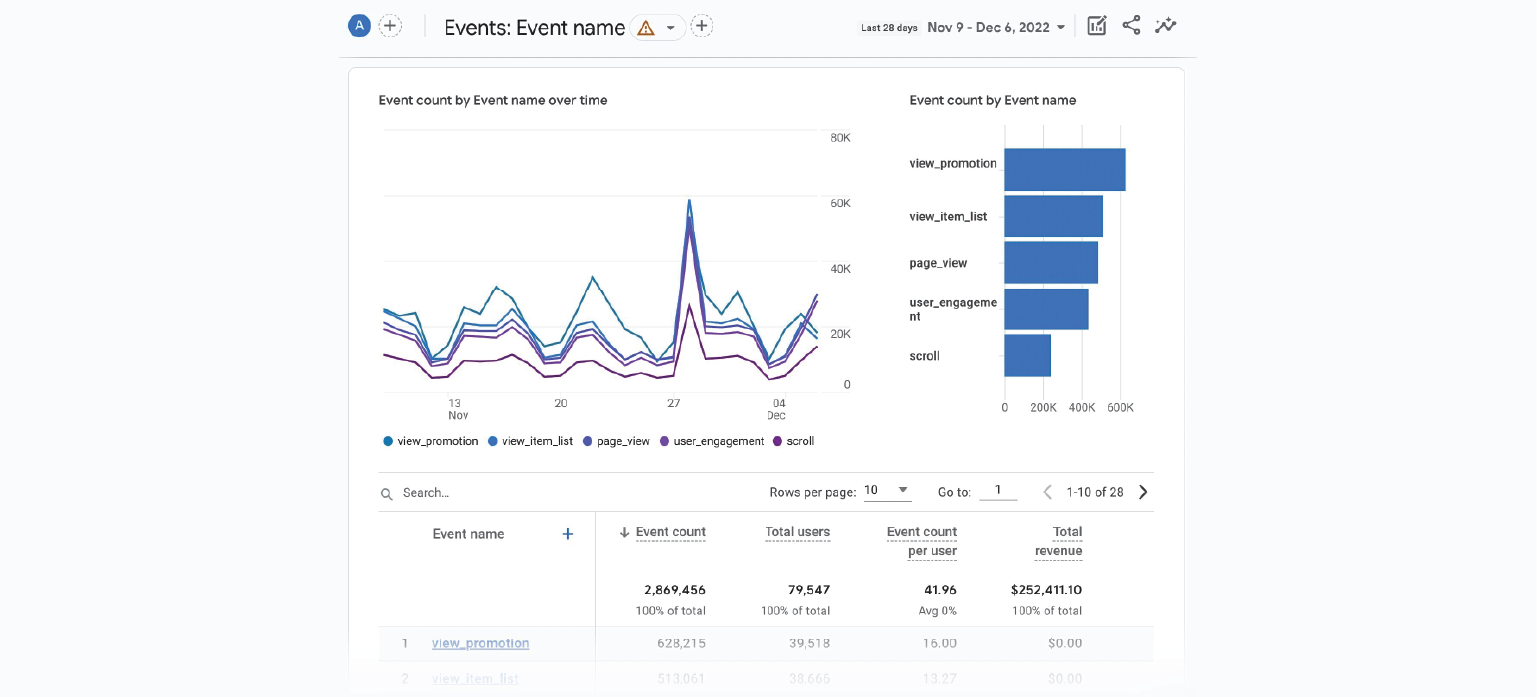
A free online (and app) analytics tool is Google Analytics. It facilitates monitoring and reporting traffic volume, source, and user behavior. Among its valuable characteristics are:
Tip for You!
Connect your GSC to the platform to view useful SEO data within your Google Analytics account.
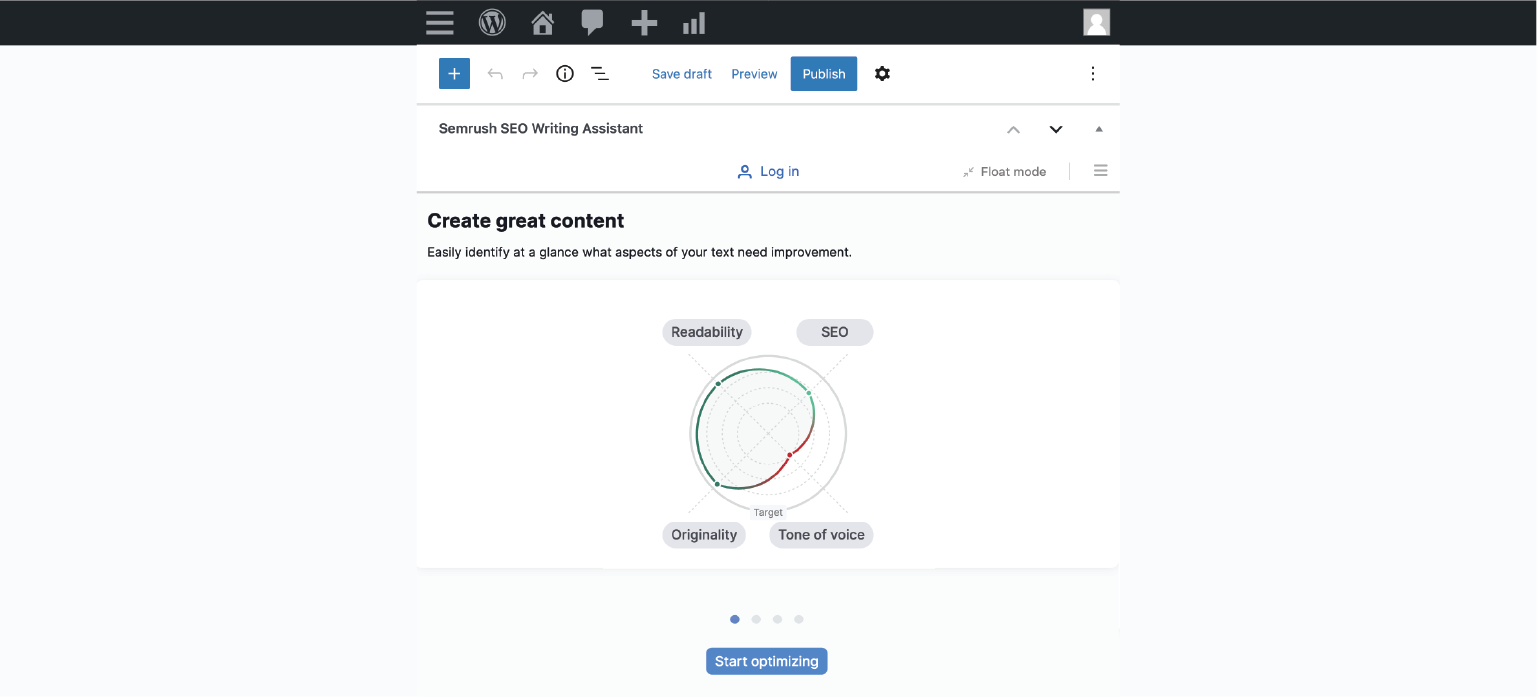
It is recommended that you install and configure an SEO plugin if you use WordPress. It will make search engine optimization for your website quite simple. Furthermore, it supports you with technical SEO tasks like setting up XML sitemaps and robots.txt.
The most chosen choices consist of Yoast, Rank Math, Semrush, and SEO Writing Help
Note: If you’re using a different CMS (content management system), check if you need to install a dedicated SEO plugin. The features you need may already be included.
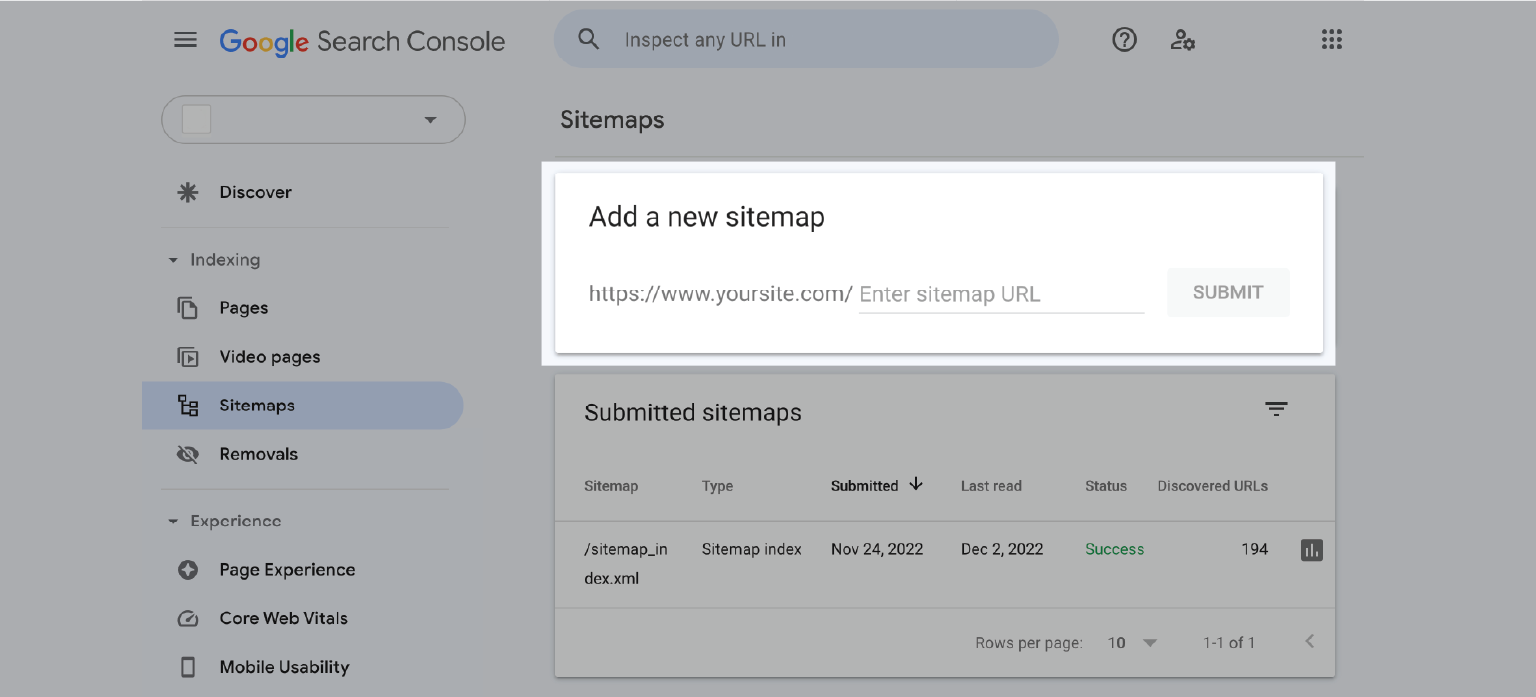
A sitemap is a file that makes it easier for search engines to locate, index, and crawl every page of your website. It gives useful information about the pages and files you deem relevant and highlights those that you believe are noteworthy. For instance, the most recent update date of the page or whether any pages have counterparts in other languages. If you use WordPress, a sitemap will be generated for you automatically. If you’re not, using a sitemap generating tool to create one is quite simple. After obtaining your sitemap, upload it to Bing Webmaster Tools and Google Search Console.
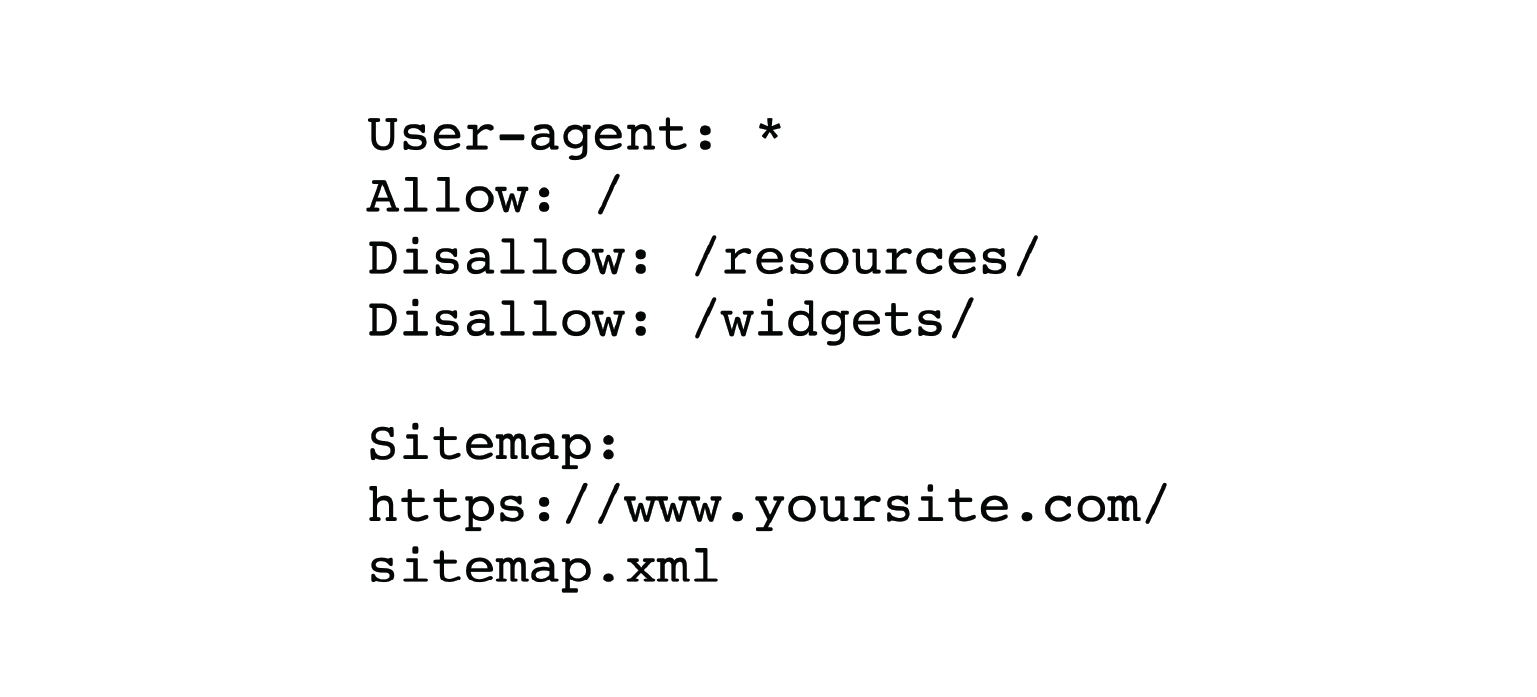
A file called robots.txt instructs search engines which files and pages they may or may not crawl. It’s also really significant. It arranges the ways in which web crawlers visit, index, and present your content to search engines. By entering your homepage URL and adding /robots.txt, you may view your robots.txt file.
For instance: https://semrush.com/robots.txt
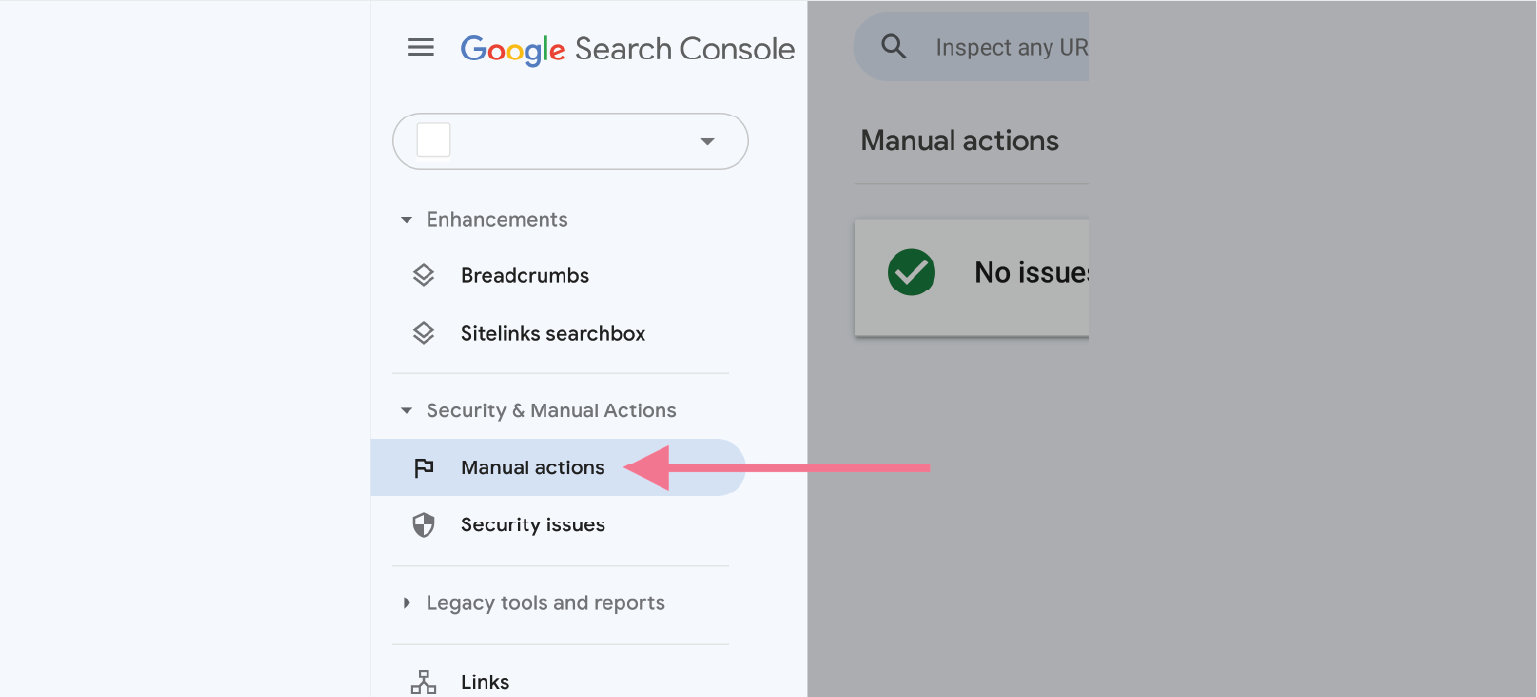
Manual actions are taken in response to blatant attempts to influence or break Google’s Webmaster Guidelines. Additionally, part or all of any manual actions on your website won’t show up in Google search results. User-generated spam, problems with organized data, strange links (to and from your website), sparse material, concealed text, and other things are examples of manual actions.
Examining Google Search Console for any manual actions is a smart idea. To achieve that, locate the “Security & Manual Actions” menu area by navigating down the tool’s sidebar navigation. Press the button. Next, select “Manual actions.” That ought to bring up a report with any problems found. If Google takes a manual action against your site, it will inform you in a GSC report.
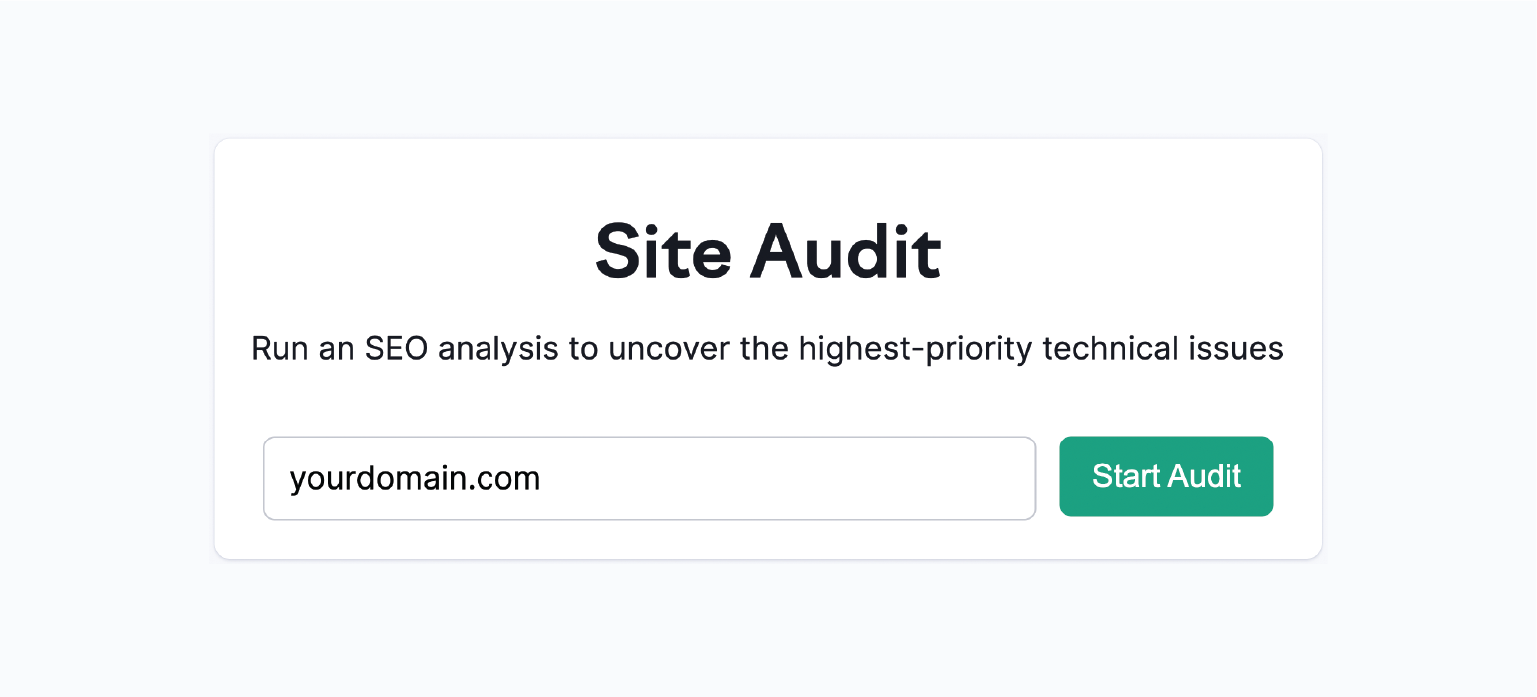
Make sure that Google can index your website, which is a component of having your SEO fundamentals covered. Indexability is the capacity of a search engine to index a page after analysis so that it appears in search results.
Use the Site Audit tool to assure that search engines can swiftly scan and index your website. Create a new project by entering your domain first. Next, choose “Website” as the crawl source, the desired number of pages for each audit, and the “Start Site Audit” button. Locate the report on “Crawlability” and select “View details.”
Following that, verify once again that the primary pages on your website that need to be indexed are indexed. Later on, this can save a great deal of troubleshooting.
Your website will struggle to rank and receive organic traffic if it lacks valuable content and an excellent on-page experience. Check if your website meets the requirements listed below. Additionally, concentrate on producing excellent content for people rather than just search engines.
The on-page SEO checklist is as follows:
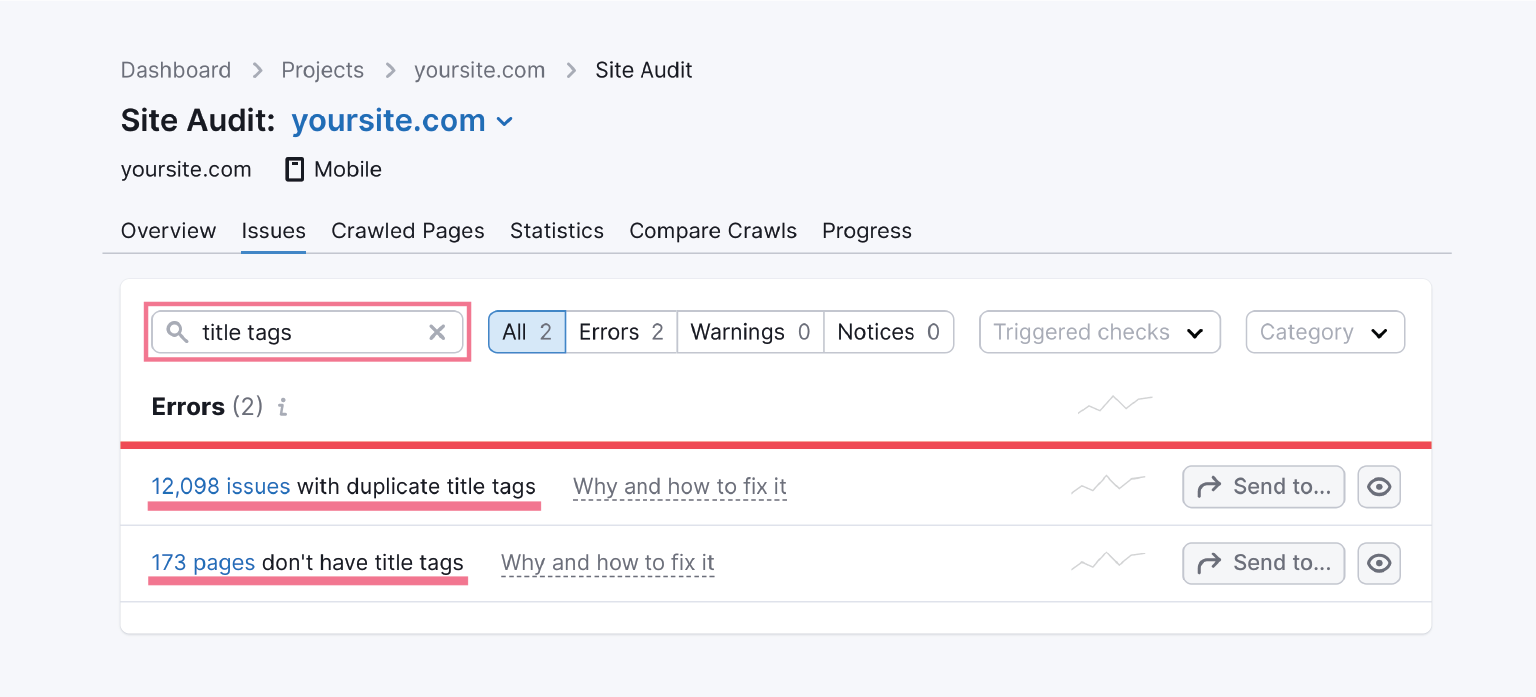
An essential (and fundamental) component of SEO is optimized title tags. They’re frequently the first item an SEO specialist looks at to improve a page rank.
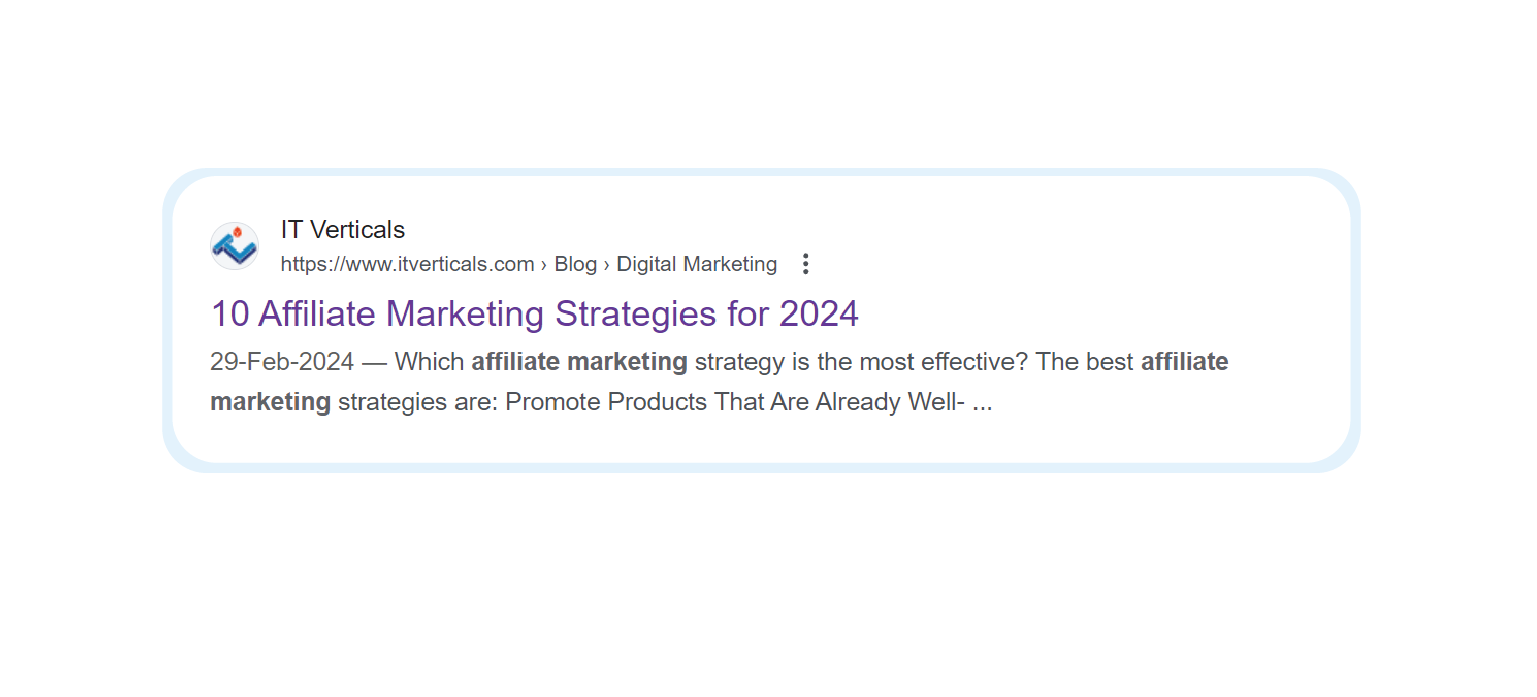
There is no direct ranking factor for meta descriptions. However, they do help searchers understand the purpose of your page. They persuade people to select your listing over another, which can impact your organic click-through rate (CTR) in both positive and negative ways.
As with title tags, you should stay away from:
You may check your meta descriptions in Site Audit by going to the “Issues” tab. Look for “meta descriptions” there.
Note
To better match search intent, Google rewrites meta descriptions more than 70% of the time. But you should always compose one that entices readers to read further.
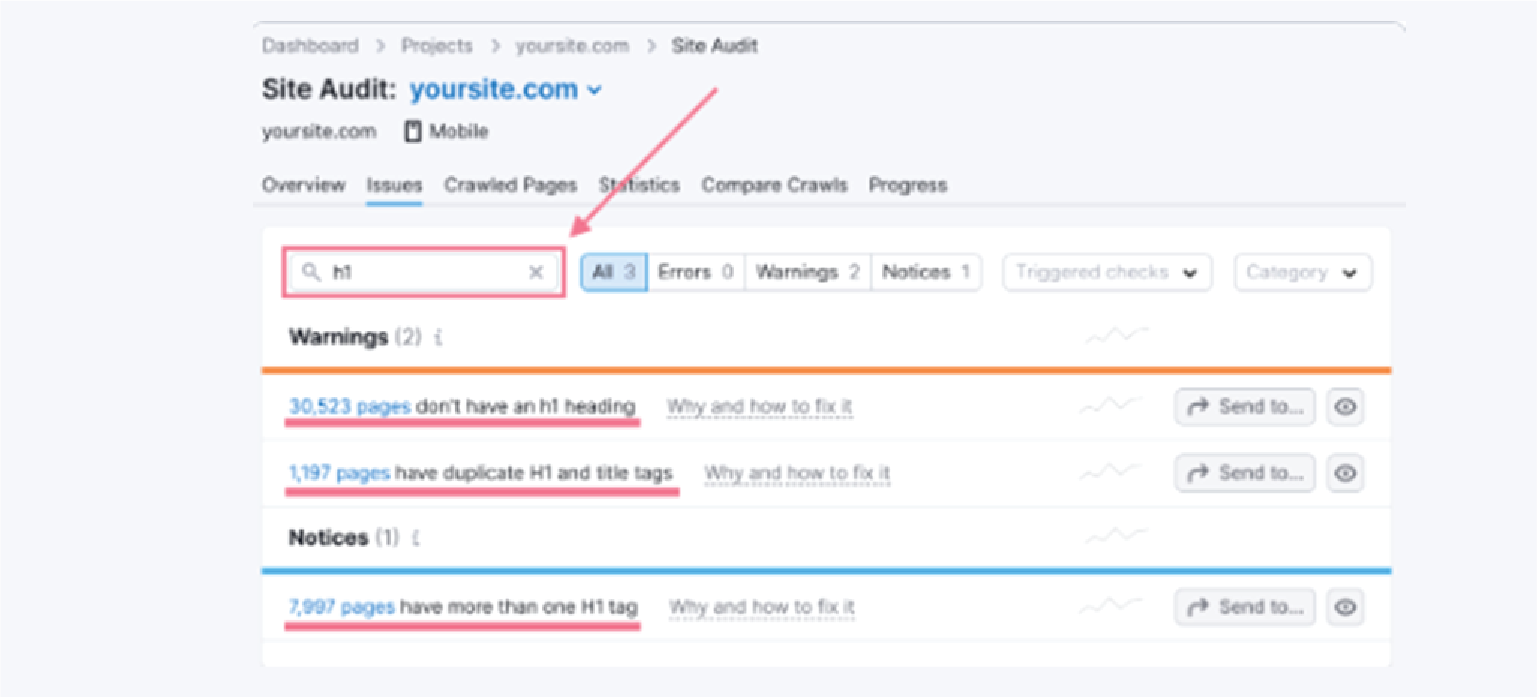
The primary topic of a webpage can be marked up using an HTML heading called an H1 tag. There needs to be just one on each page. Because they enhance accessibility, enhance user experience, and help in search engines’ interpretation of material, H1s are crucial. Generally speaking, you should steer clear of:
Pages with H1 tag issues are flagged by Site Audit’s “Issues” tab. Duplicate H1s Long H1s Missing H1s. Just look up “h1.”Additionally, you want to give yourself enough time to fix any problems with your H1s.
Note
Make sure that the H1 contains the target term for the page.
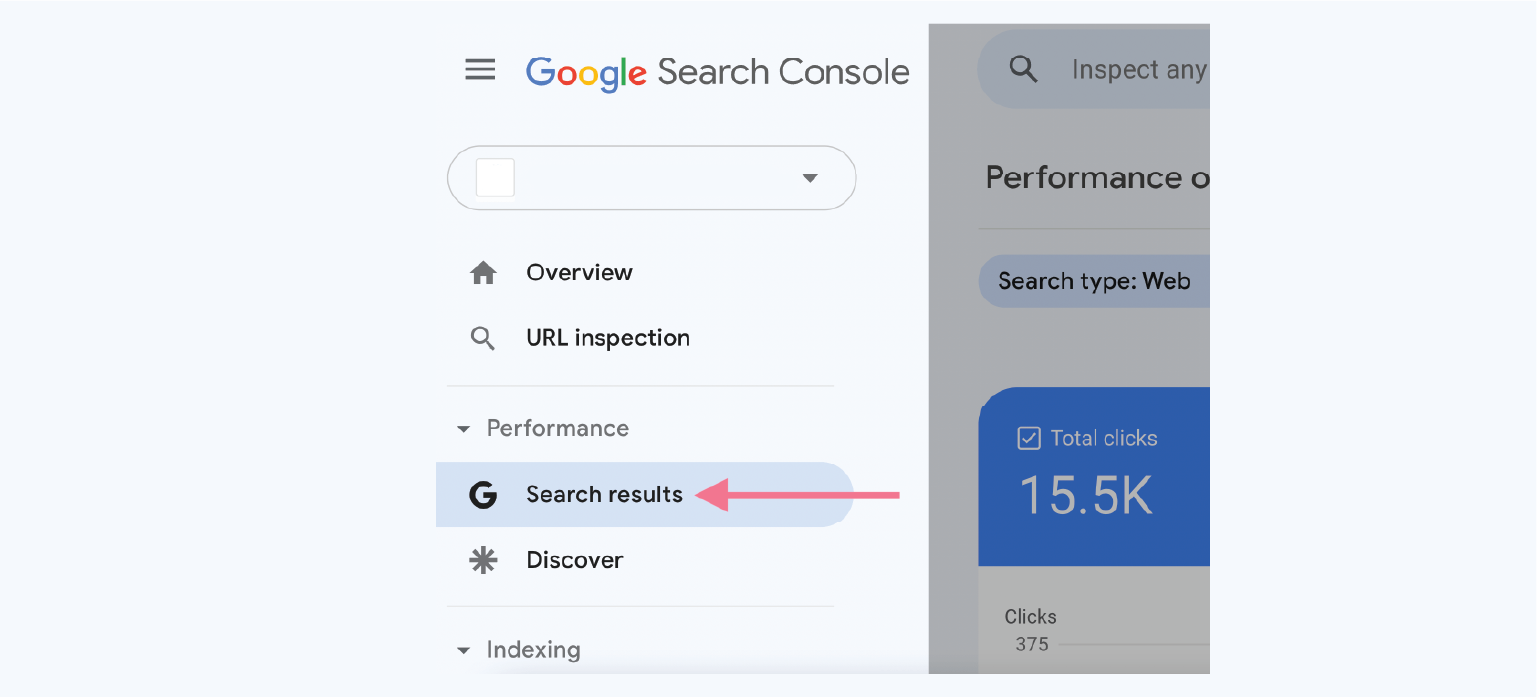
You are losing out on a chance to rank if your page titles and meta tags aren’t correctly optimized, not only for your primary keywords but also for their derivatives. To begin, navigate to “Search results” under “Performance” in Google Search Console. Verify that “Average position” and “Average CTR” are selected. Search for keywords with a low average position, few clicks, and a significant number of impressions by scrolling down.
This usually indicates that your page is ranking and related to the inquiries. Yet, you haven’t optimized it by utilizing different keyword versions in your tags or text. Remember that adding keyword mentions alone won’t have a significant impact. Consider these extra keywords as subjects for one or more H2s or subsections.
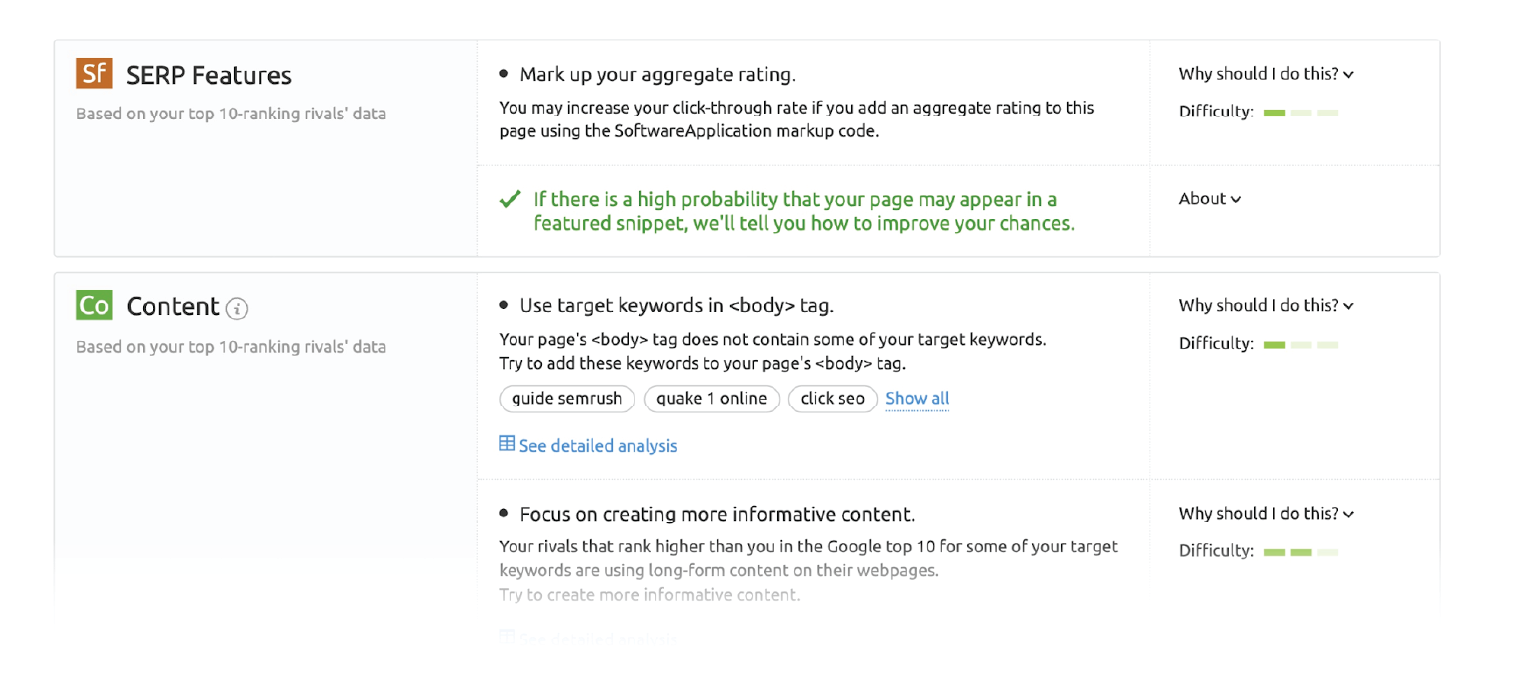
A content audit is the process of examining your content to identify areas in which it might be strengthened. You need to do an audit to figure out how to enhance your website’s SEO performance. Google Analytics and other similar tools can be used to audit your content. Begin by monitoring your pages’ traffic and engagement on a regular basis. Additionally, check that your content is updated and make any necessary modifications.
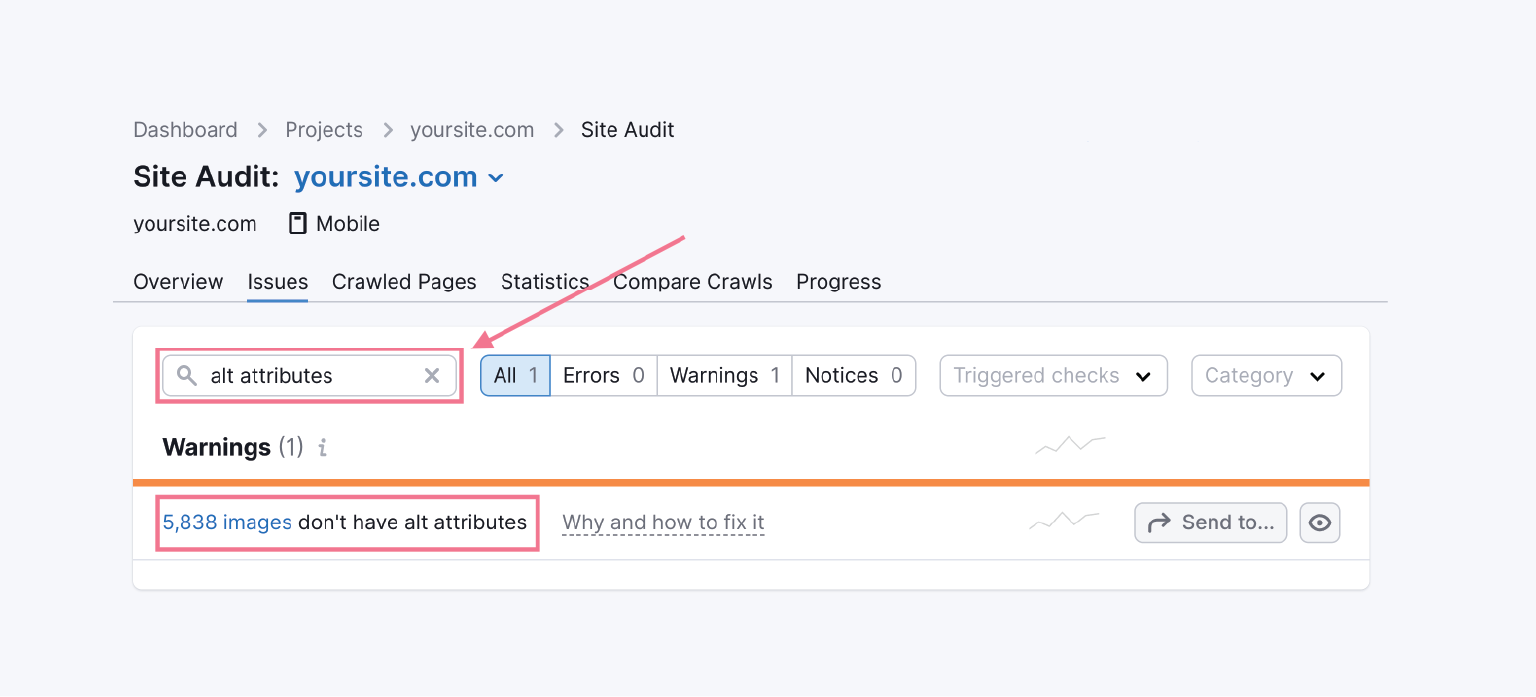
Text that describes an image that is included in the HTML code of a page is called alt text, short for alternative text. It’s crucial since it facilitates image identification for search engines and blind or visually impaired people. Additionally, improving the alt text for your images can increase traffic from Google and Google Images. With Site Audit, you can locate photos without alt text instantly. Simply go to the “Issues” page and conduct a manual search for “alt attributes.” The program will display the number of photographs without alt text in a snap.

Try to include your keyword once near the top of the page and at least three times in the body of the content. Additionally, make sure that each URL contains a minimum of 100 words—the more, the better. Although you should never add extraneous material to your website, and you can still rank with fewer words, I advise not starting a new page until you have at least 500 words (though fewer is still preferable).
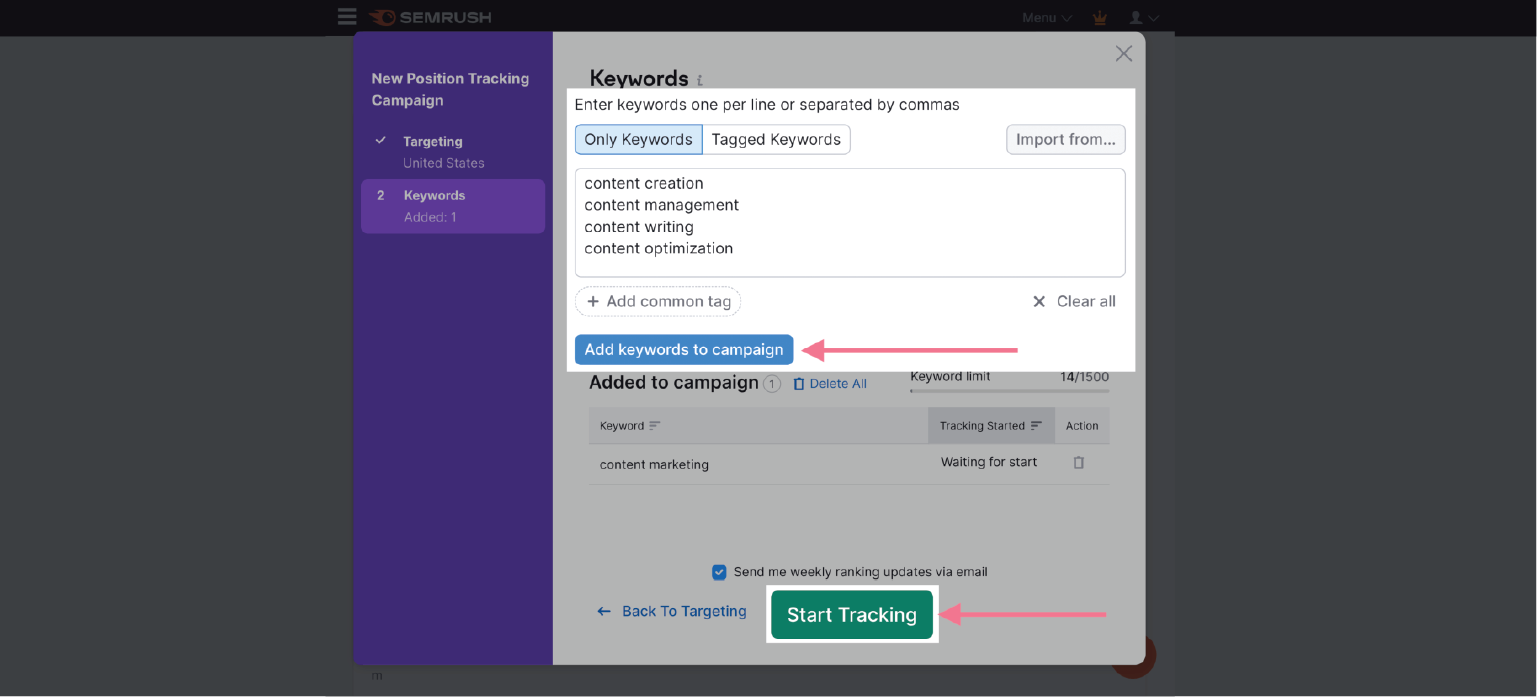
When one or more of your site’s pages target the same term and intent, this is known as keyword cannibalization. The ranking ability of the other is impacted by one of the two. Furthermore, none will function as well as it could. It’s not what you want. Because search engines will have a hard time choosing which page to display in the SERPs, you will struggle to rank for those keywords.
There are numerous popular methods for resolving keyword cannibalization:
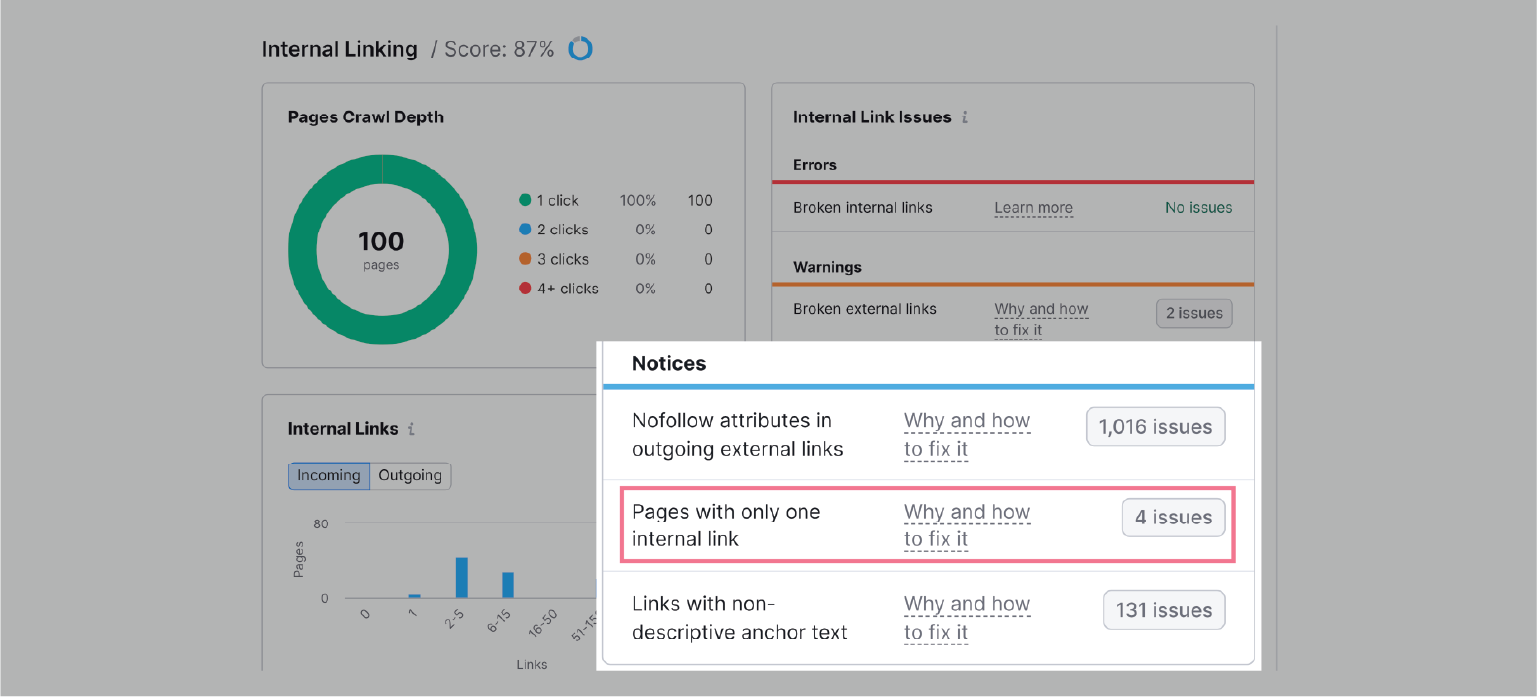
A page that has no internal links to it is known as an orphan page. Because search engines can only find pages through backlinks or the sitemap file, these pages often have very little significance. Additionally, visitors must know the URL in order to access the page. Consequently, every page on your website needs to link to at least one other page.
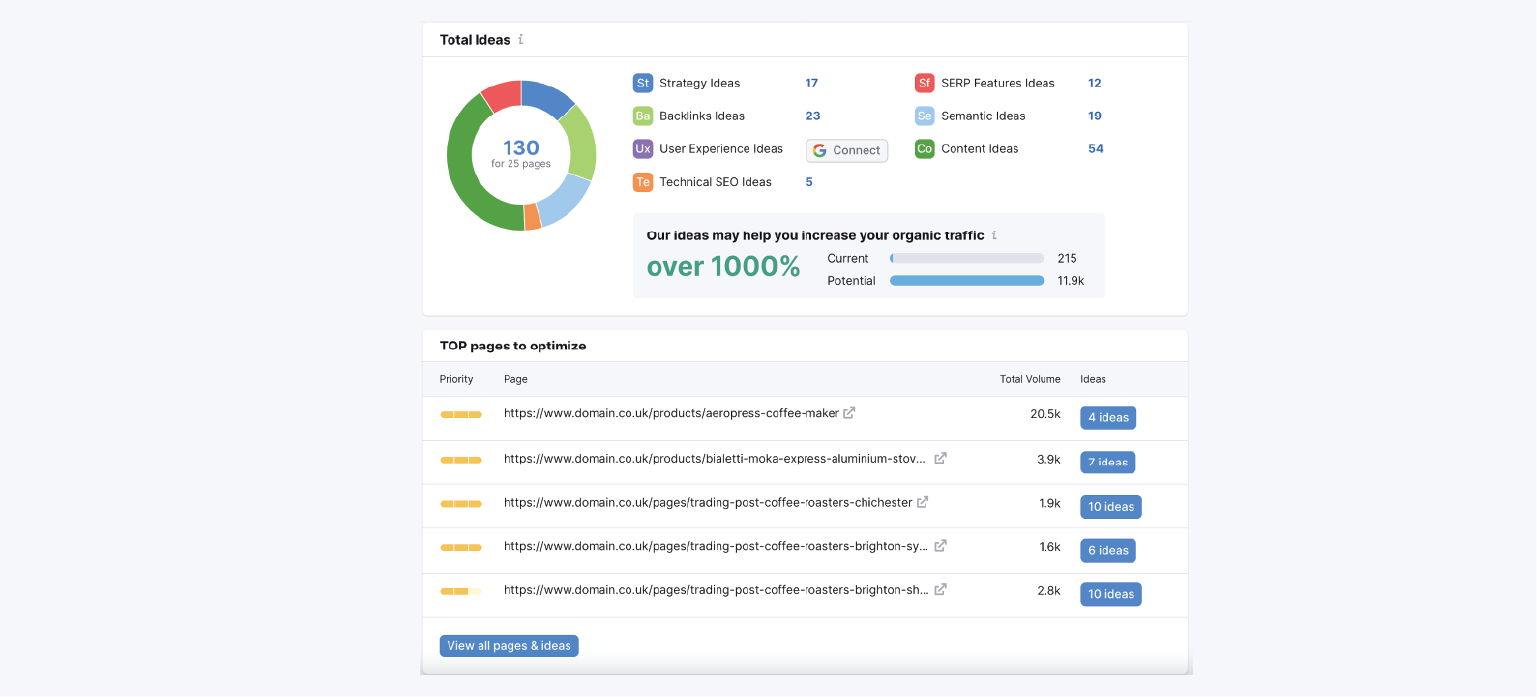
Content ages and goes out of date on its own. Furthermore, one of the simplest things you can do to get significant SEO benefits is to update outdated information. It was time well spent if the content on your page might use some updating or if it has information that is out of current.
After all, users rarely get the optimal experience from out-of-date content. Why then would Google still give it a ranking if it wasn’t updated? Make sure your content is updated frequently by using a tool like Semrush’s On-Page SEO Checker. Following the configuration of your project’s parameters, the tool will provide you with optimization suggestions to assist you in raising your pages’ Google ranks.
The act of identifying potential search terms that might be pertinent to your company and your clients is known as keyword research. It entails locating, arranging, and ranking keywords. To subsequently support your keyword plan. This is a list of the crucial keyword research tasks you must complete in order to succeed with SEO.
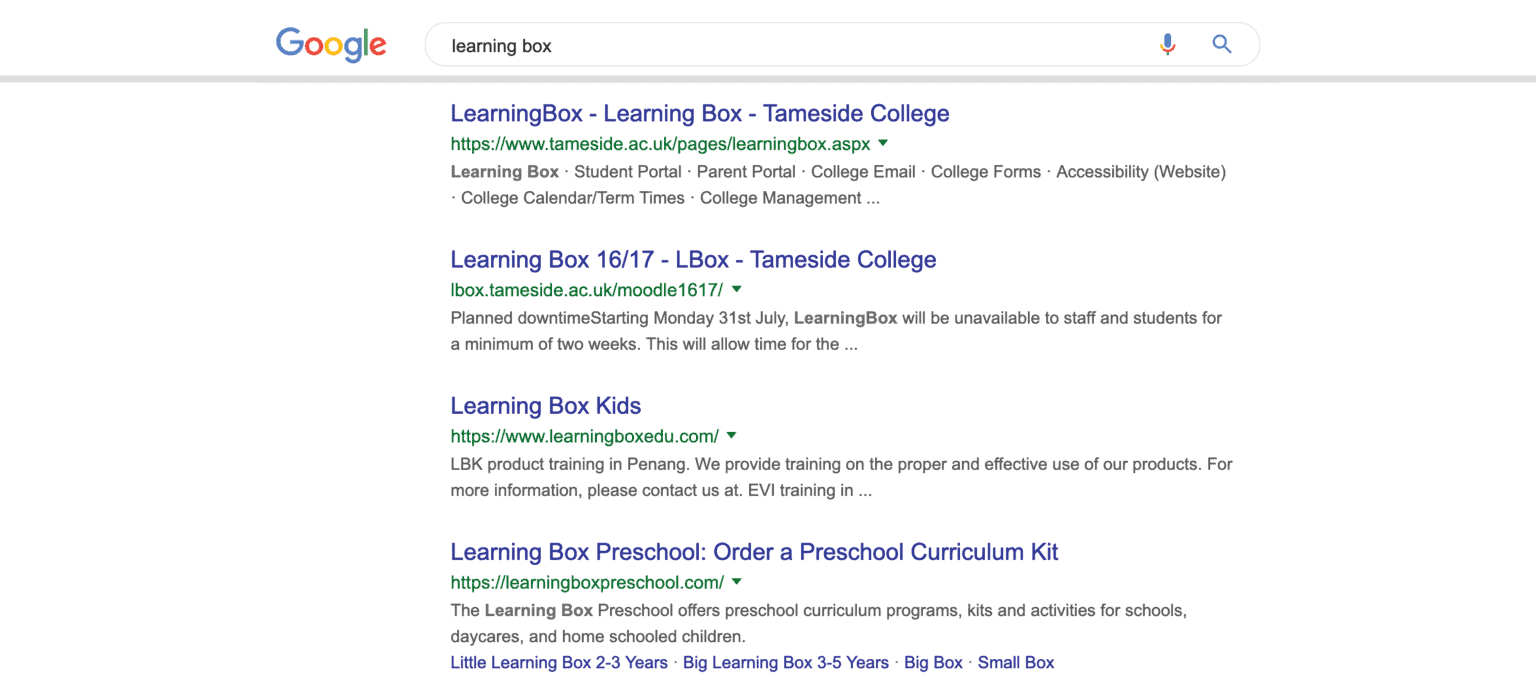
This is essential to ensure that SEO generates a profit for your company. Acquiring knowledge about people’s search queries is the first step toward answering them. Let’s take an example where you manage a boxing club website and discover that the term “learning box” gets searched 8,100 times a month. It looks like a fantastic chance to attract anyone interested in learning how to box – Right?
If you were unaware of the meaning behind “learning box,” you would not have wasted time or money attempting to rank your boxing club website for that particular keyword.
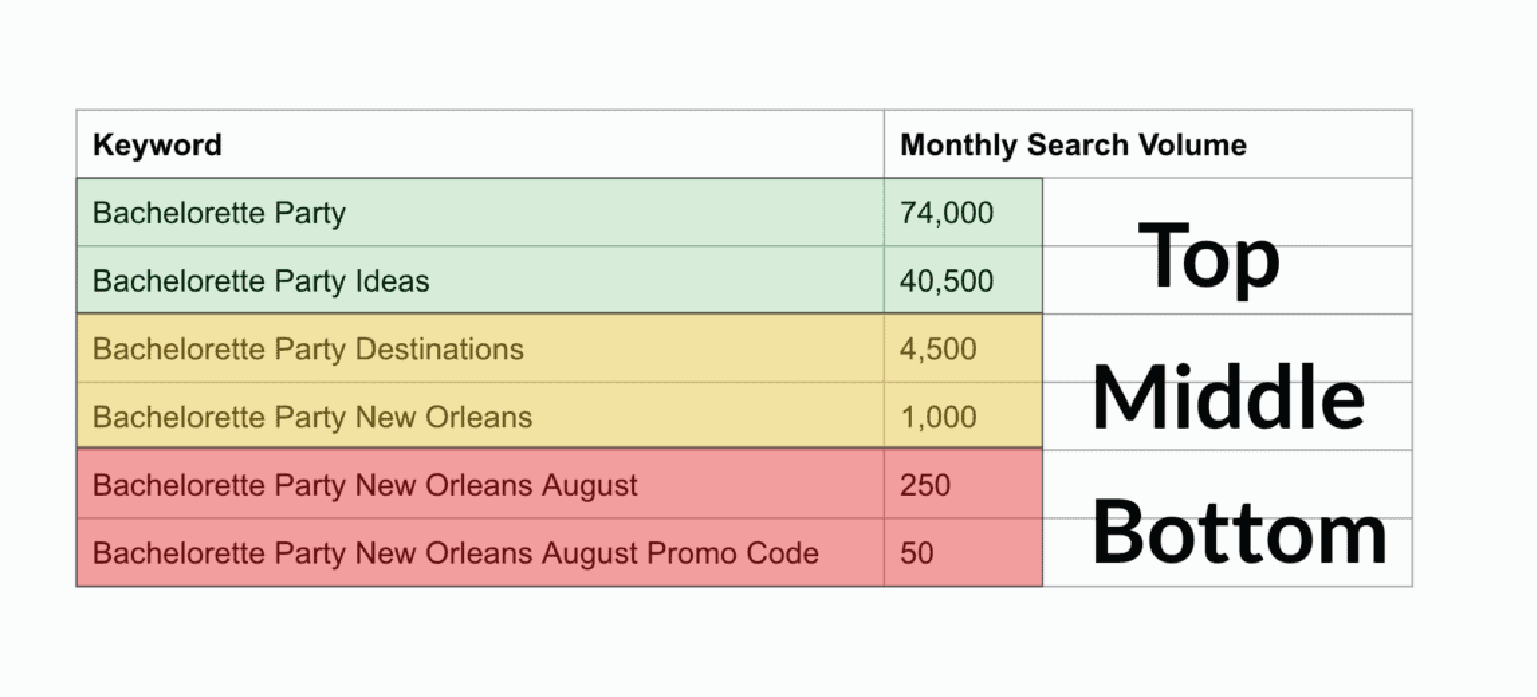
Not every keyword will be worth the same amount to your company. While certain keywords will drive more traffic, some have a higher conversion rate. When using keywords, be careful to strike a good balance. This is an example of mapping some keywords against a bachelorette party website’s sales funnel. If you didn’t do this, you may be tempted to ignore some phrases with lesser search traffic if you are unaware of their higher likelihood of turning visitors into paying clients.
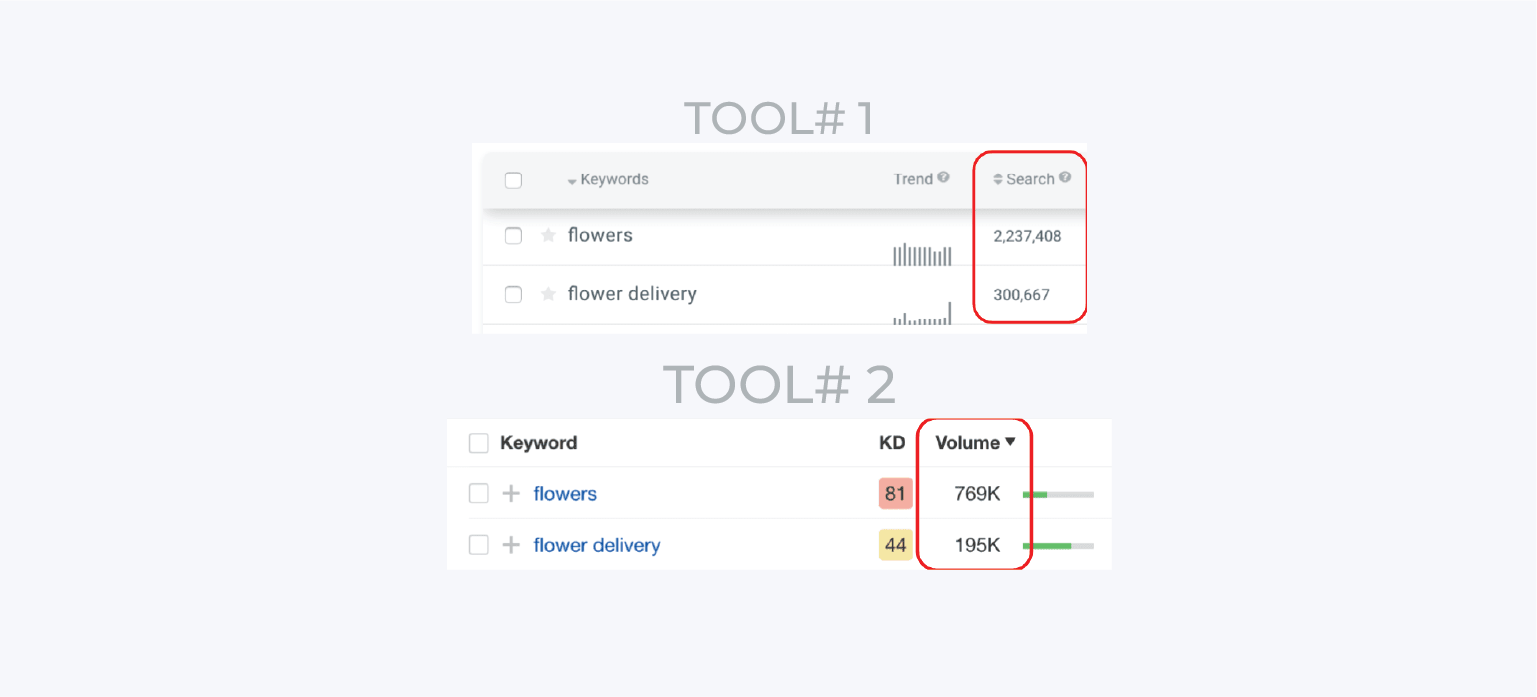
SEOs and SEO software programs frequently disagree on this issue. Search volumes are frequently used as one of the primary measures to prioritize fresh content ideas and optimize your website while creating a keyword strategy. The majority of keyword research tools provide an estimate of the monthly search volume or the number of times a particular keyword is searched for on a monthly basis. The issue is that search volumes differ according to the tool you utilize:
The secret is to avoid wasting ANY time attempting to determine whether figure is accurate (because different tools will use different data sources). Consider search volumes as relative measurements as opposed to absolute ones. You may infer from the aforementioned facts that “flowers” is four to seven times more popular than “flower delivery.”
Choose a keyword research tool you enjoy using, and don’t take the search volume figures at face value.
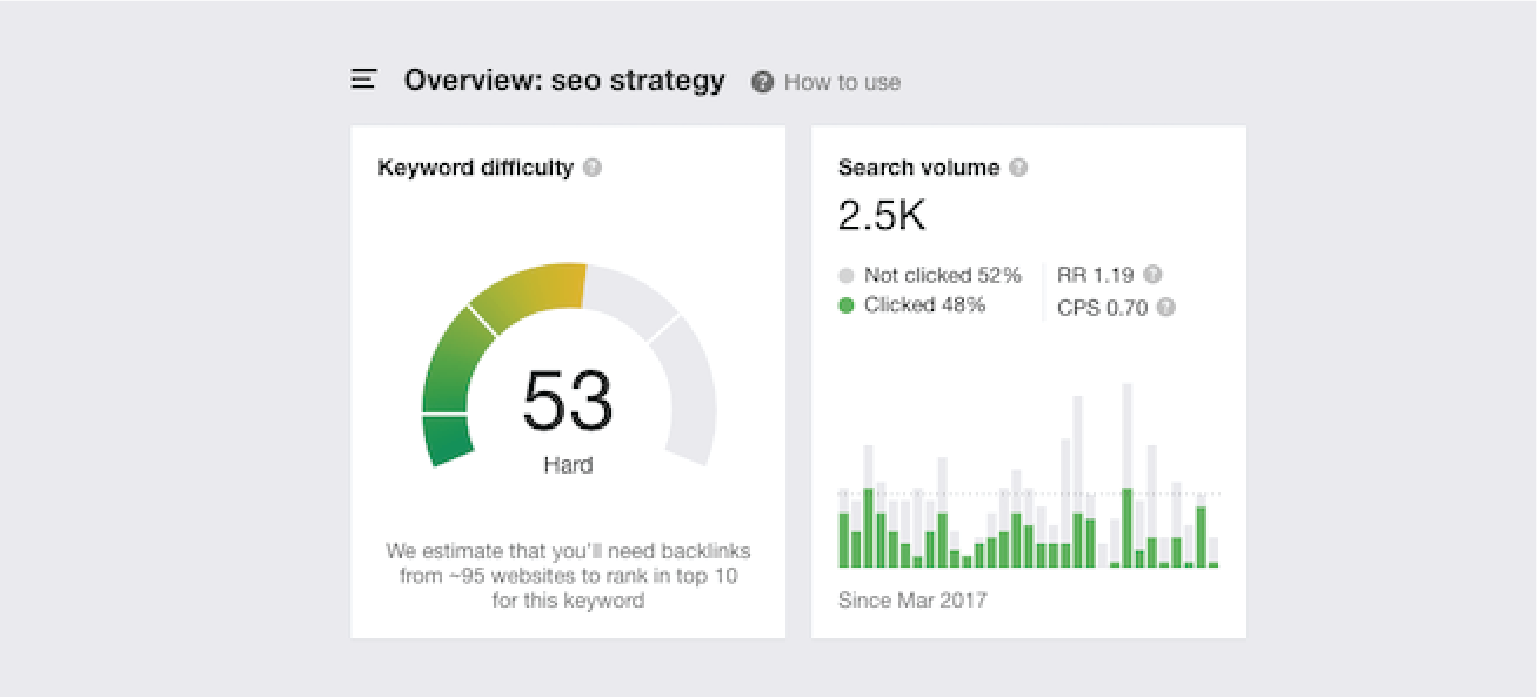
Assuming you choose a relevant keyword for your business, the following stage is to determine whether you can compete for its traffic. Not every keyword will be as simple—or challenging—to rank for. With the exception of Google’s Keyword Planner, the majority of keyword research tools provide an indicator of how difficult it will be to rank for a certain phrase. When comparing keyword difficulty, use only one tool, as each tool calculates this differently.
Greater difficulty indicates that you will have to put in more effort to rank for that phrase. This entails creating content that is superior to your rivals’, constructing more links, resolving technical problems, and doing everything else on this checklist. When comparing keyword difficulty, use only one tool, as each tool calculates this differently.
Greater difficulty indicates that you will have to work harder to rank for that phrase, which involves developing content that is superior to that of your rivals, constructing more links, resolving technical problems, and doing everything else on this checklist.
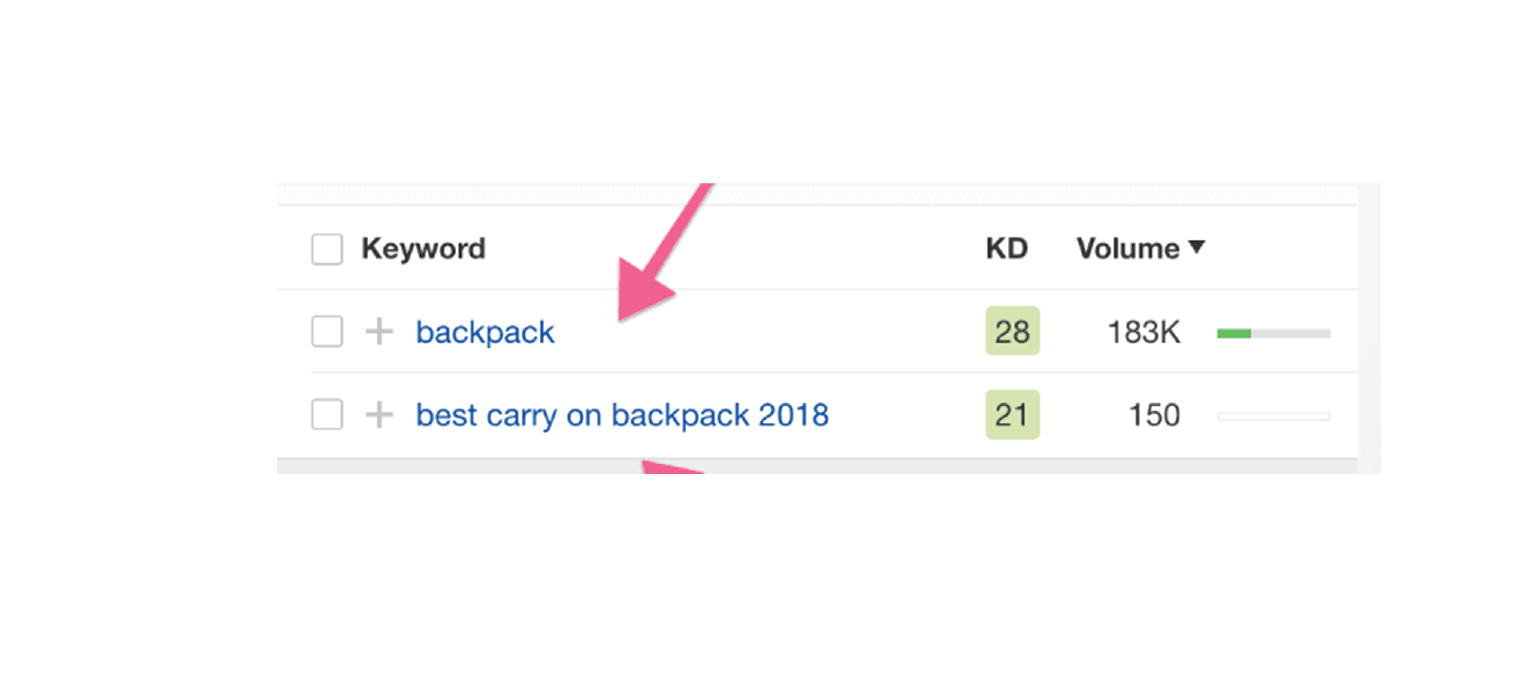
Before long, you’ll notice that SEOs frequently discuss head phrases against long-tail keywords.
Head terms are words that:
Head terms are the reverse of long-tail keywords, which are:
It’s difficult to determine what someone searching for a “backpack” is trying to find—anything from a backpack photo to a hostel for travelers. Your website will receive a lot of traffic if you rank for “backpack,” but the visitors’ goals may vary greatly, and many may not align with what your company provides. However, a person looking for the “best carry-on backpack 2018” is undoubtedly considering their options and is ready to make a purchase. Although you will receive far less traffic if you rank for the phrase “best carry-on backpack 2018” in search results, those visitors are far more likely to become paying customers.
Tip for You!
A page on your website may rank for both head terms and long-tail keywords because a single page might rank for hundreds of different keywords.
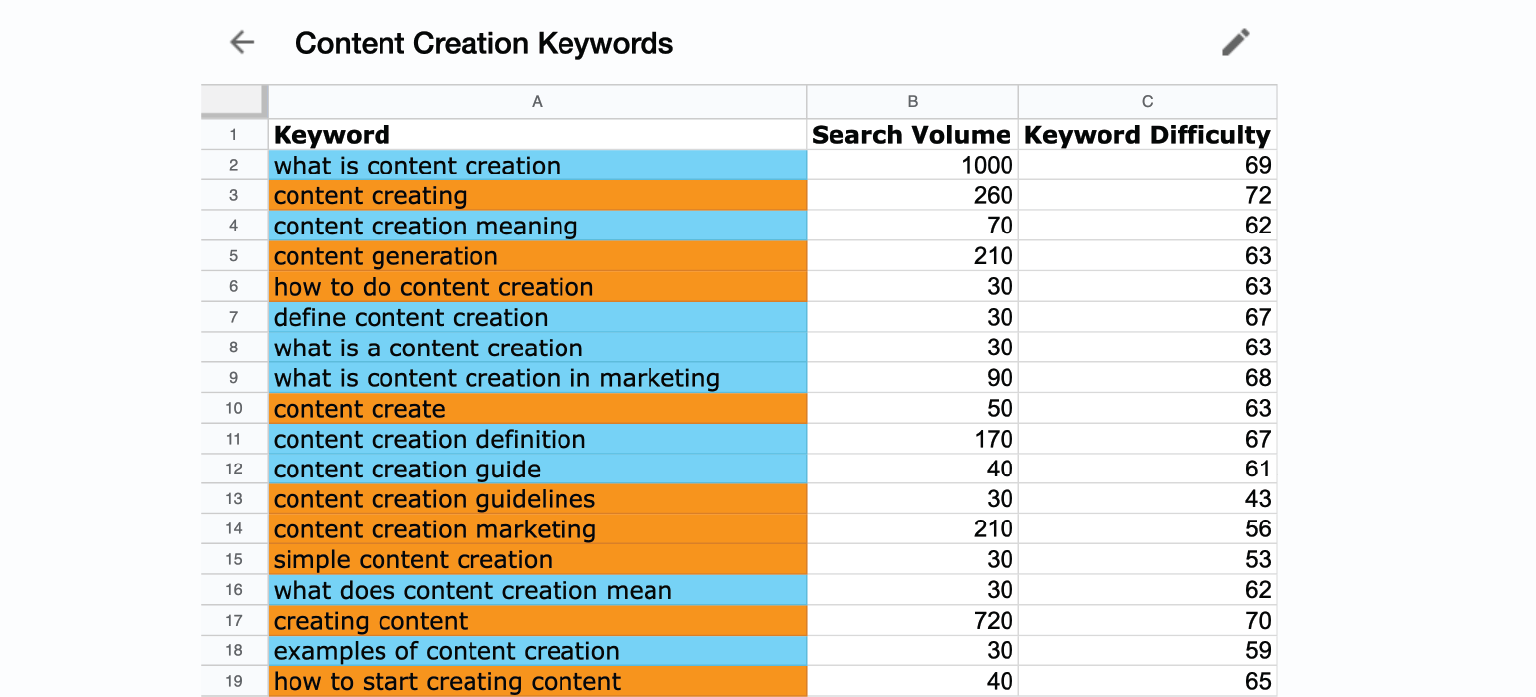
After determining which keywords to target, you must “map” (assign) them to the appropriate pages on your website. In order to identify a broader set, start with a single term. Click “Search” after opening term Overview and entering your term. The “Related Keywords” are what we are searching for.
Group keywords that provide the same response by exporting the keywords onto a spreadsheet. Next, you should concentrate on visualizing the potential pages and structure of your website using each combination of keywords. Sorting keywords into appropriate categories is the final stage.
A user’s search intent is just the motivation behind their query. Four categories of search intent exist:
Navigational: Searching for an object
Informational: Seeking to expand on one’s knowledge
Transactional: Seeking to carry out a certain task
Commercial: Seeking additional information before deciding what to buy. One of Google’s primary objectives is matching consumers’ search intent.
Thus, always make sure that the content of your page is relevant to the searcher’s purpose for the keyword you are trying to target.
Off-page optimization, often known as link building, is one of the most effective ways to raise your ranks. To tell you the truth, Link building is one of the most difficult aspects of SEO. However, you can employ a few strategies to obtain easy links (see the options for easy links below).
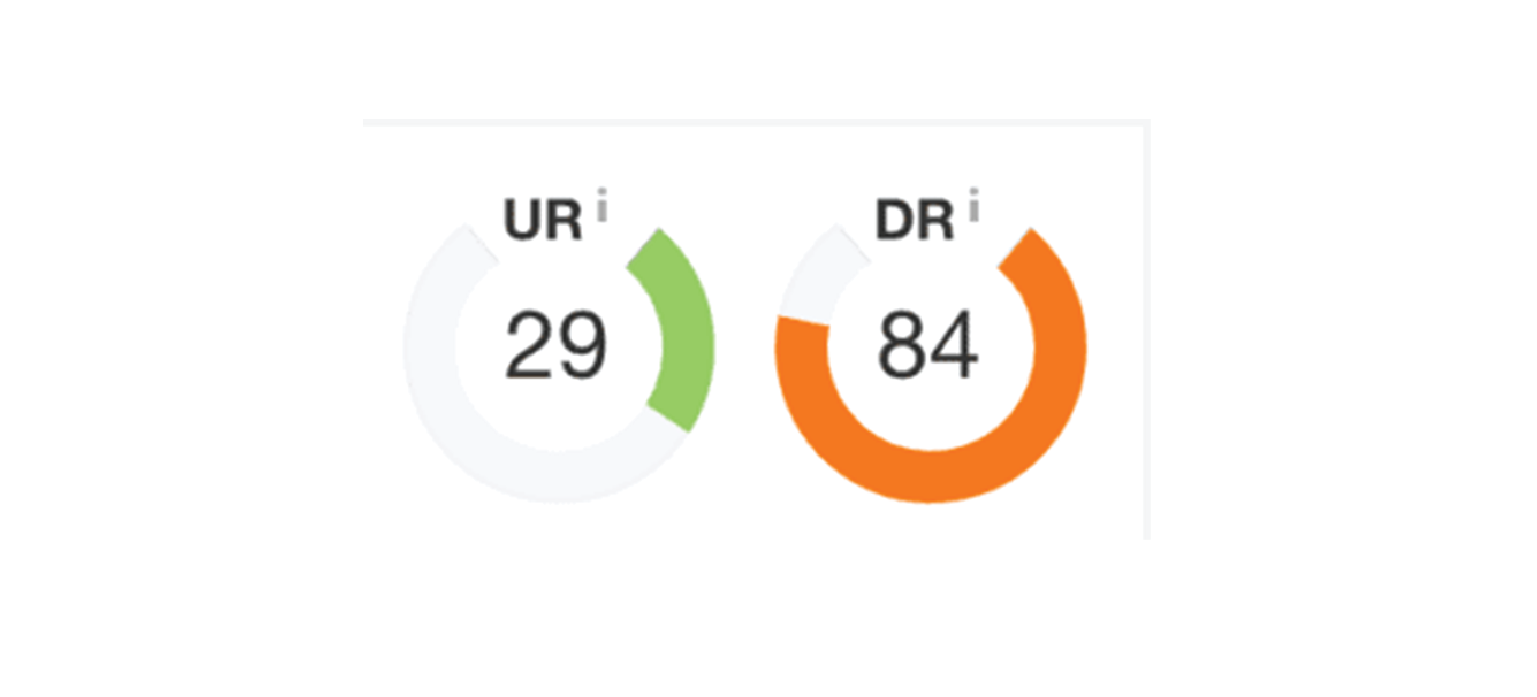
Search engines mostly depend on the authority of pages and websites to decide which page ranks higher than all others. Authority in SEO is mostly based on links, or more precisely, links pointing to your website from other websites. The authority is determined according to the following general guidelines:
While some programs have created their own authority measures, search engines do not broadcast these.
Note: Ahrefs’s proprietary measurements for the authority of a page are called URL Rating (UR) and Domain Rating (DR), respectively.
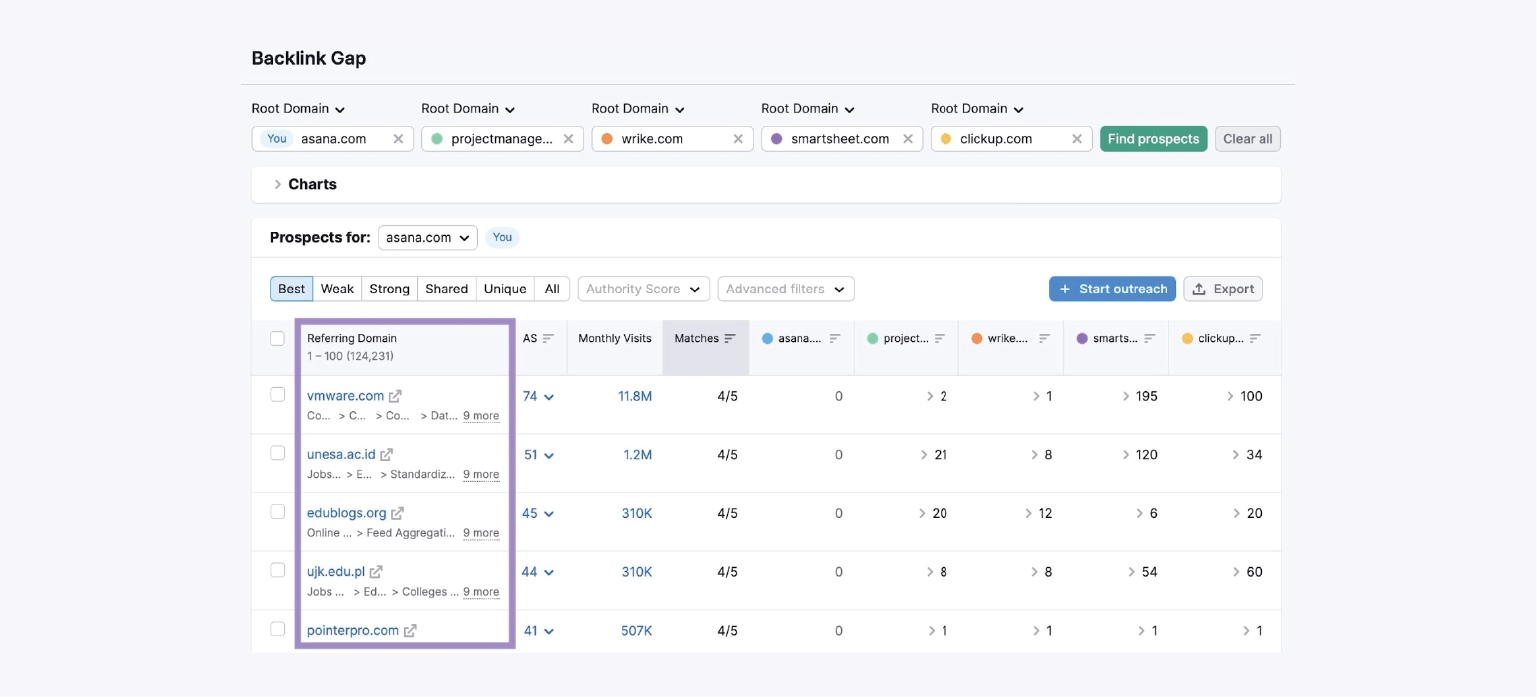
A backlink gap audit is another tool you may use to identify websites that link to your rivals but not to you. Why? They will most likely be pleased to link to you if they are already linking to your rivals. Particularly if your material is superior, this is accurate. To begin, use our Backlink Gap tool, enter the domains of your competitors and yourself, and click “Find prospects.” All of the many domains that link back to the websites you entered are listed in the table.
A website mentioning you or your company without providing a connection to you is known as an unlinked mention. The fact that they have previously brought you up makes this tactic extremely effective. They probably won’t mind if you make it a link. Get in touch with the author or page owner of each unlinked mention you come across and politely ask for a backlink.
Google started taking action against link-building spammy guest posting in 2014. Does this imply that guest blogging is no longer effective? No. Guest blogging may be a terrific technique for building links if you publish excellent guest posts on relevant websites and naturally (not spammy) add links back to your site. Using sophisticated search operators to do a Google search is a simple approach to locating guest writing opportunities.
Reach out to the relevant blogs or websites; it could be a good idea to draft a few post pitches in advance.
Tip for You!
To establish credibility, include samples of your previous guest posts on other websites with your pitch.
Resource pages are carefully compiled listings with links to useful articles, tools, or resources. Stated differently, their purpose is to offer connections to external websites. Simply get in touch with the writers of these resource pages and request that they include your article or page. By utilizing sophisticated search operators in Google, you can locate these opportunities: To find your desired keyword, try these searches:
Recall that I indicated that there was a simple link chance to “Fix Broken Inbound Links”? You have an opportunity when other websites neglect to update their broken inbound connections, which is common for larger websites. There are multiple methods for locating these broken links:
Method 1: Make use of a Chrome add-on/extension
To look for broken links on webpages, you can use any Chrome extension or broken link checker.
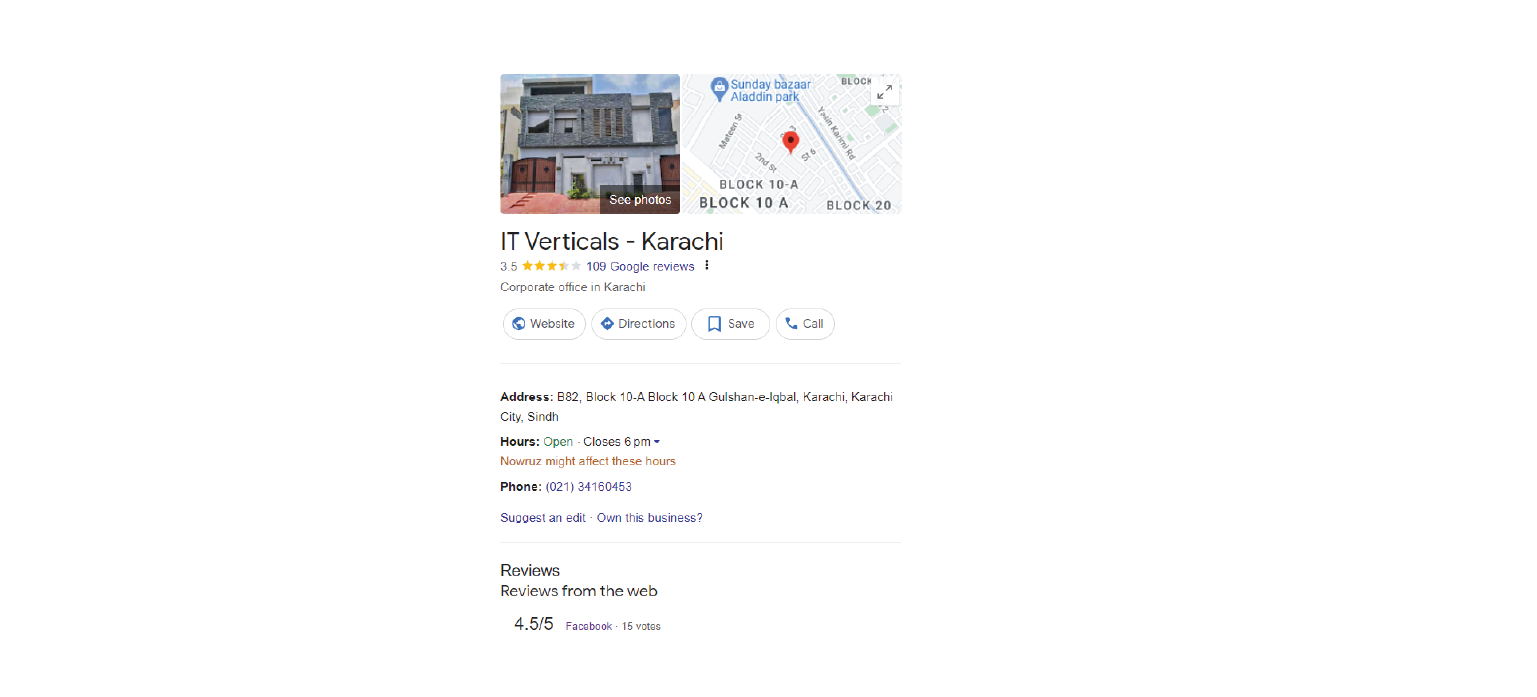
Make sure your local business has a Google Business Profile (previously known as Google My Business) if you are a business owner. Using Google Maps and Search is one of the most effective ways to connect with customers. If not, you will effectively be giving a competitor visits.
An example of a Google Business Profile might be the following:
Moreover, consider these business profile pointers:
Everything you do to make it simpler for search engines to find your website is known as technical SEO. Your site’s ability to rank and receive organic traffic may be hampered by technical problems.
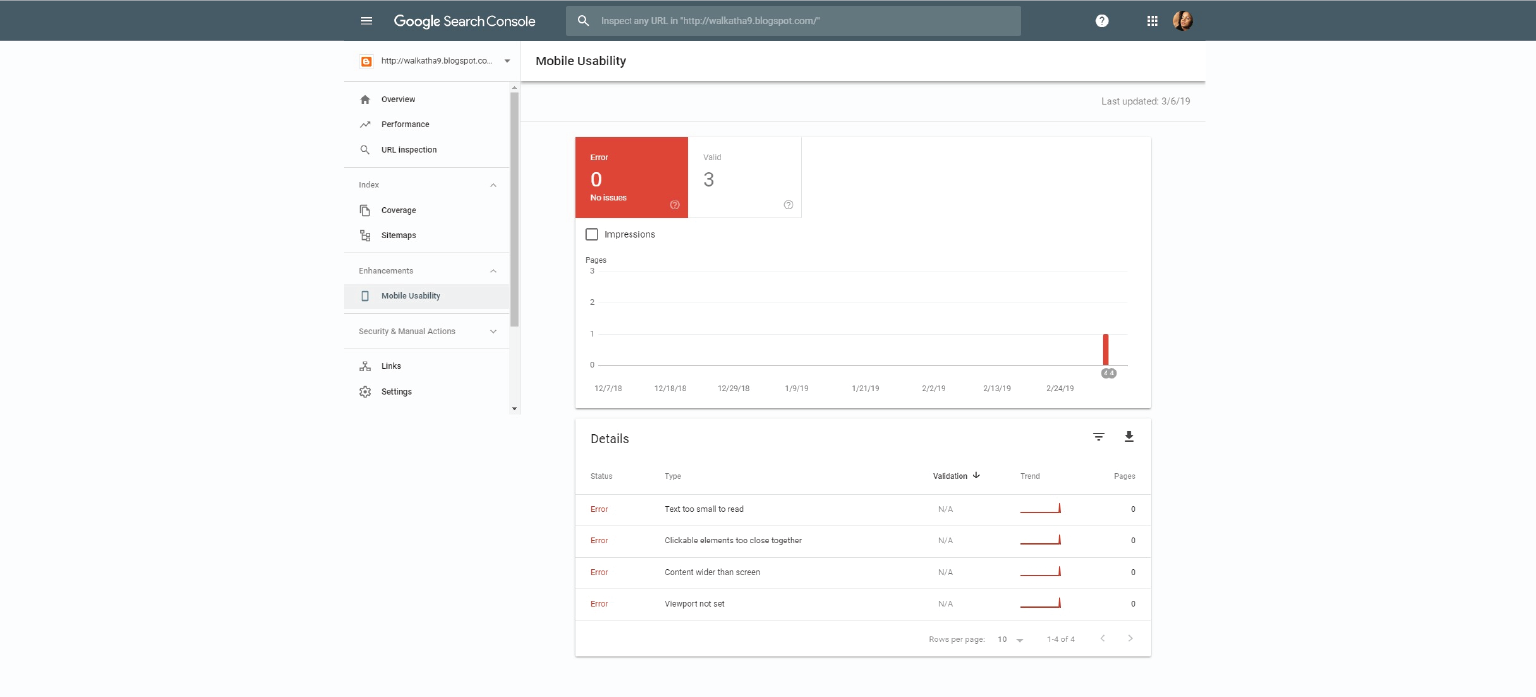
The problems that stop Google from seeing your material are known as crawl errors. Correct every mistake you see in this report, and keep an eye on Search Console to address any new problems as they arise. Using Google Search Console’s Coverage report, you may locate them.
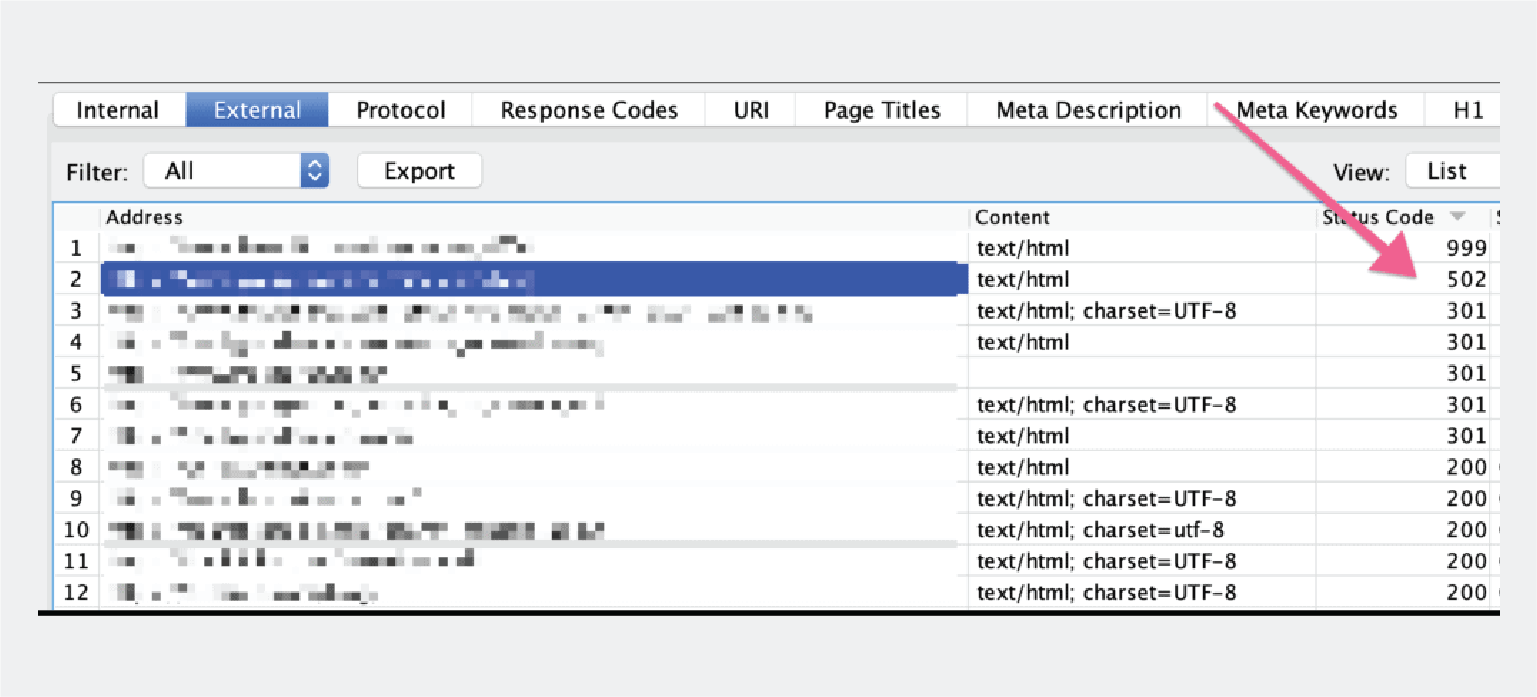
Broken links on your website give Google a negative impression. A website with a large number of broken backlinks is most likely out of date and unlikely to offer searchers a helpful result. You should make an effort to prevent broken links on your website. Screaming Frog and ahrefs are useful tools for identifying broken links.
Google has pushed for more websites to use HTTPs in an attempt to make the internet “safer” for consumers. Thus, moving from HTTP to HTTPs may provide you a little boost in search engine rankings.
Tip for You!
Save yourself the effort of switching later by utilizing HTTPS from the outset when launching a new website.
When two or more URLs on your website are the same or very similar, duplicate content problems arise. This may reduce your content’s SEO value over a number of URLs. To address any duplicate material that may be crawling and penalizing your website, use Google Search Console, canonical tags, or 301 redirects.

Your website may suffer from duplicate or missing meta tags (title and meta description). Most people go-to resource for finding these is Screaming Frog: If you’re using WordPress, simply go to Yoast after you’ve determined which URLs are broken and fix them.
Here are some resources to help you deal with duplicate or missing meta tags:
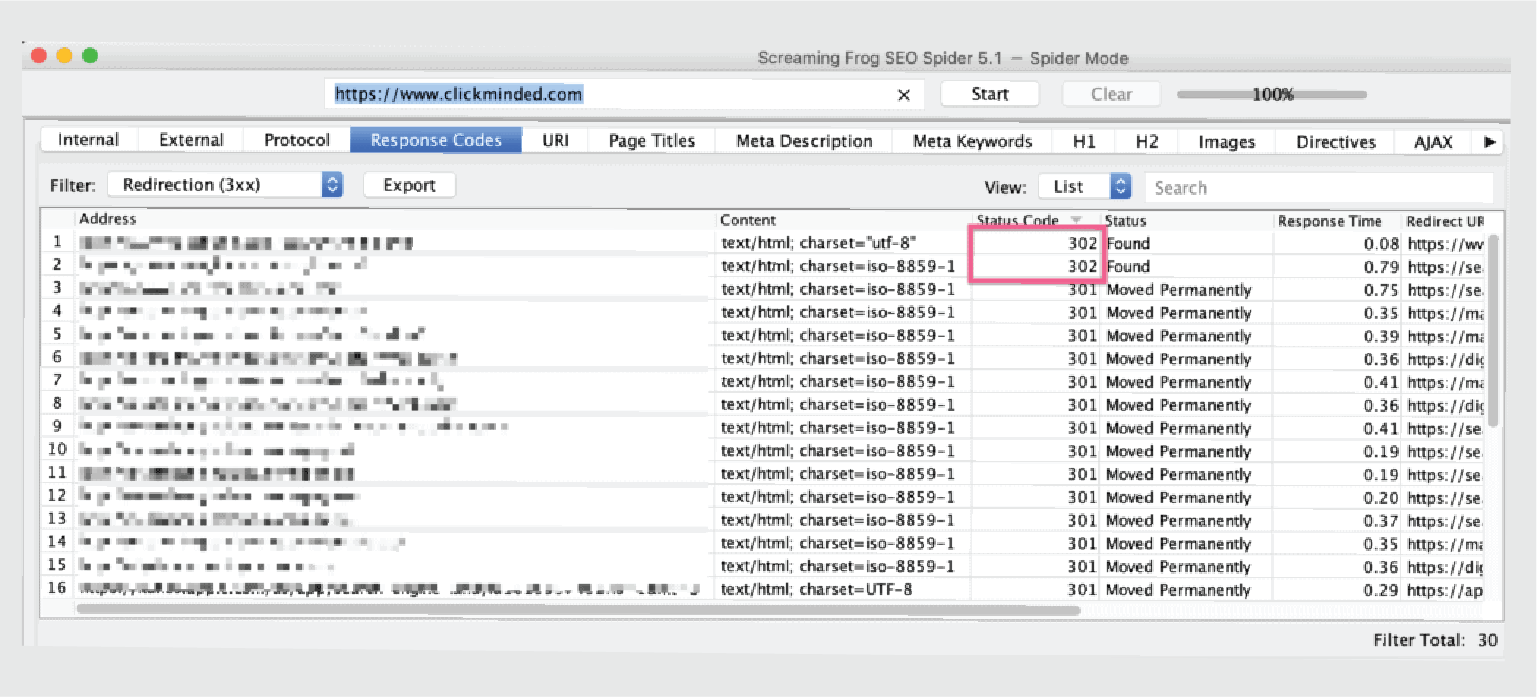
First common problem: 302s when they should be 301s. A permanent redirect, or 301 redirect, transfers nearly all of the previous page’s SEO value to the new one. This is a wise diversion. A 302 redirection is just transitory. It is employed for time-sensitive promotions or site upkeep. The rerouted page’s SEO value is not transferred to the new location. Find 302 redirections on your website by using Screaming Frog to crawl it and replace (almost all) 302 redirects with 301 redirects.
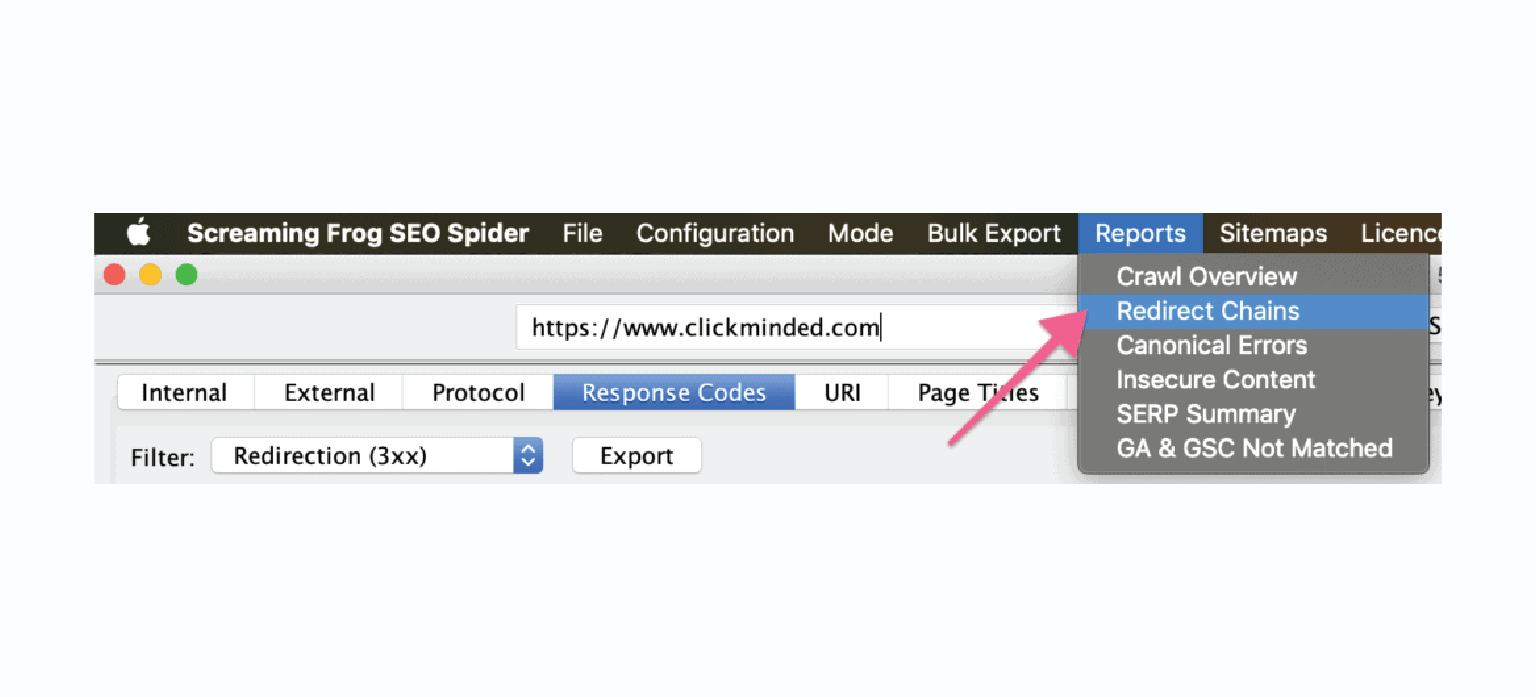
Less value is provided from the original URL to Google, and the more redirects it has to go through to find a URL.
An example of a redirect chain would be:
Redirecting to www.yourwebsite.com/page-2 from www.yourwebsite.com/page-1
Redirecting to www.yourwebsite.com/page-3 from www.yourwebsite.com/page-2
It’s preferable to complete this in a single step rather than going through www.yourwebsite.com/page-2:
There is a redirect from www.yourwebsite.com/page-1 to www.yourwebsite.com/page-3.
Find these using the redirect chain report provided by Screaming Frog:
Here are some resources to help you fix bad redirects:
A website that is not flexible to multiple screen sizes and shapes will have a detrimental impact on usability, especially for local searches, as mobile devices account for an increasing portion of web traffic. If you want to learn more about optimizing your e-commerce for local search, here is another guide on Local SEO.
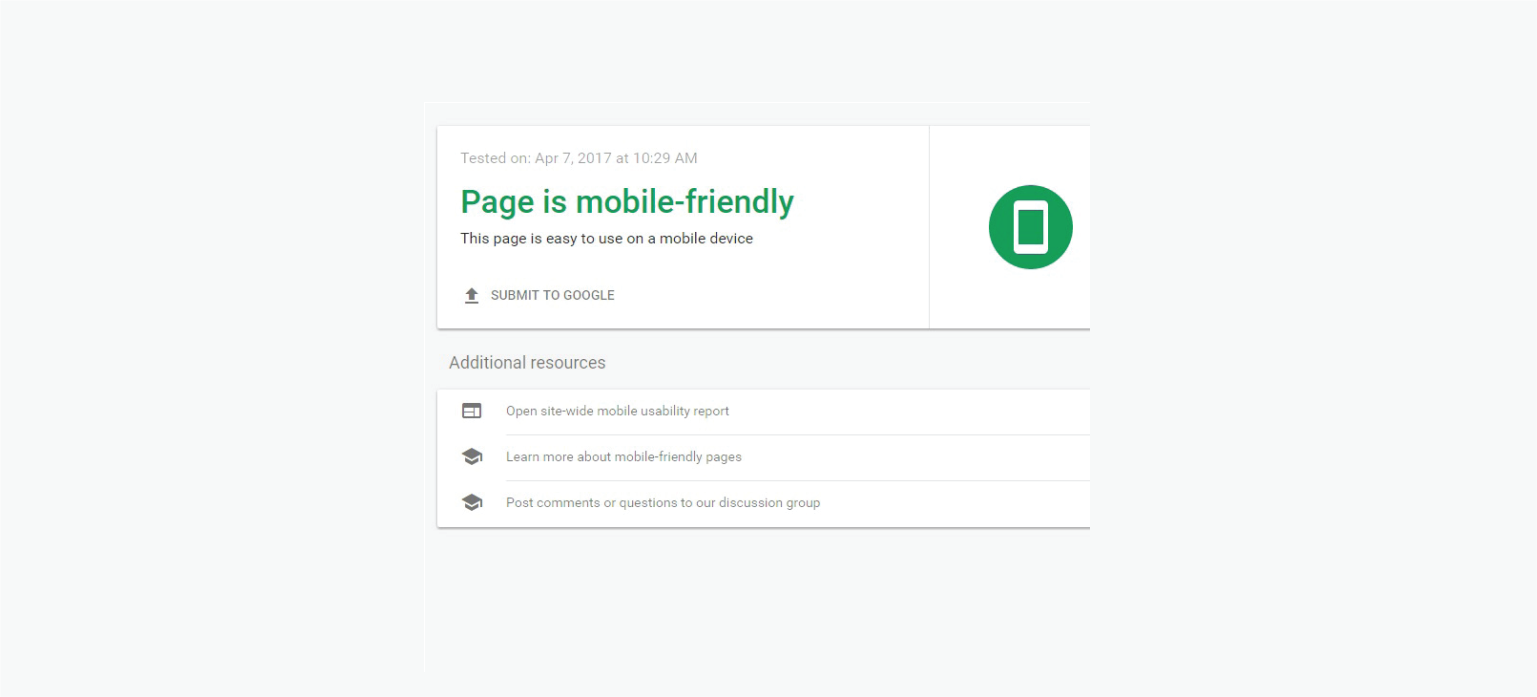
Additionally, Google just implemented the mobile-first index, which means that when they crawl and index your website, they will do so on a mobile device rather than a desktop computer. In essence, what they’re saying is that your website will only rank highly on Google if it is mobile-friendly. You can assess your website using Google’s Mobile-Friendly Test tool:
Use a responsive theme if you’re using one, such as Squarespace, Shopify, or WordPress.
Here are some tools you can use to make your site faster:
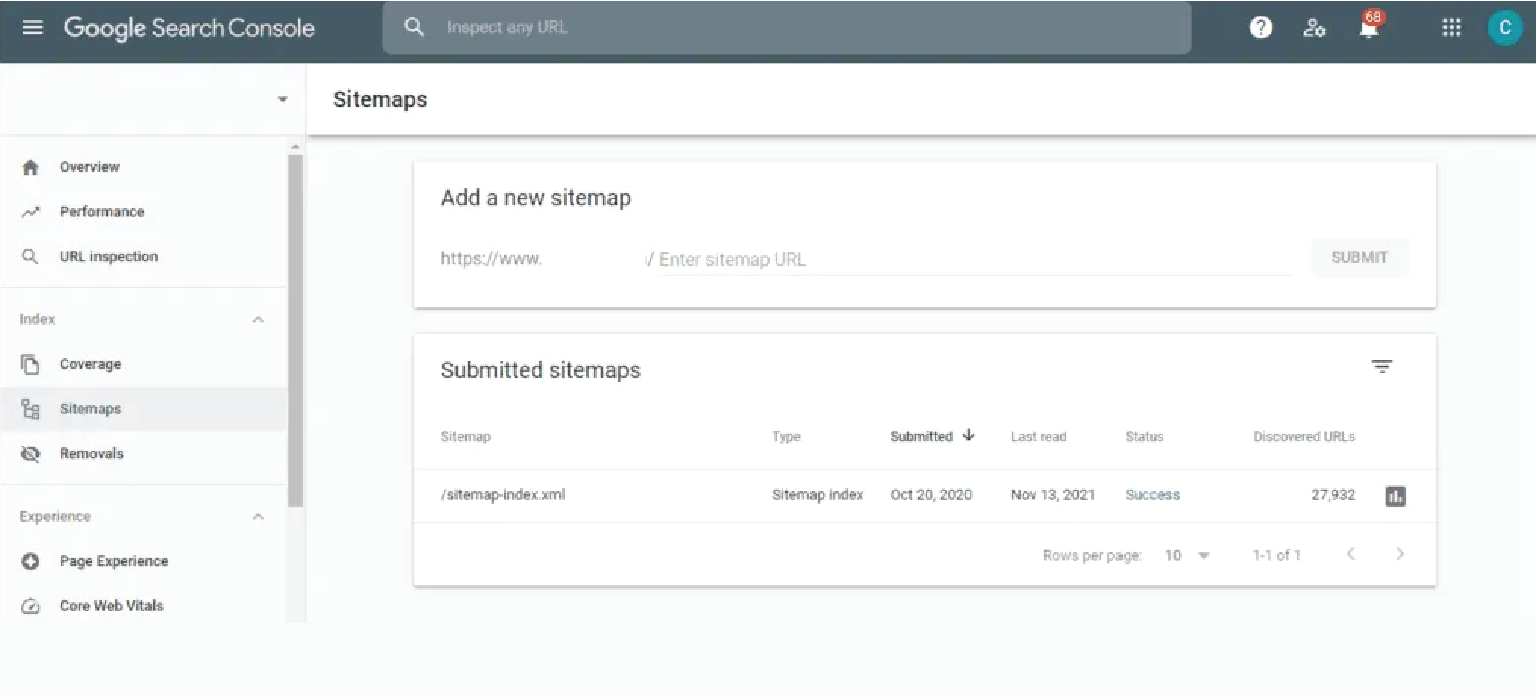
Search engines can better comprehend your website’s structure and locate all the pages you want indexed with the aid of an XML sitemap.
To submit your sitemap to Google, utilize the Google Search Console:
Yoast SEO is a plugin that will manage and automatically update your sitemap if you use it. If Yoast isn’t used, you can use Screaming Frog to crawl your website and create a sitemap.
Your XML sitemap and a robots.txt file will outline the activities that crawlers are permitted to do on each page of your website. A search engine included in the top-level directory gives you more control over how search engines index and crawl your website. You can prevent
Google from crawling your WordPress login URL, for instance:
You can set up distinct protocols for various search engines by customizing these instructions for different kinds of crawlers.
You can use the following tools to draft and test your robots.txt file:
Schema Markup is one SEO strategy that might help in improving your understanding of your content. Schema installation by hand is a little stressful, though.
You may use Google’s Structured Data Testing Tool or Rich Results Test, making work much easier.
Developing a successful local SEO plan and seeing it through to completion are difficult tasks. We’re providing you with this checklist to assist you in achieving this by providing some structure.
Establishing your Google Business Profile should be the initial item on your local SEO checklist. For local SEO, why is creating a Google Business Profile important? Increase your visibility on Google Maps and Google Search, where potential clients can access your information, by creating a Google Business Profile.
You’ll have a personal profile where you may display reviews, upload images, and add information about your company directly in the search results. To get yours set up, go to Google Maps and either add your company or claim the one that already exists. Google provides guidance along with a useful video at this link.
Selecting the category that best fits your organization is a crucial step in this process. Selecting this category for SEO purposes is similar to selecting the primary goal keyword for your website that best represents your offering. You have a choice of nearly 4,000 categories. Additionally, you can designate up to ten categories for your company. Selecting categories that are both common search terms and best fit for your business is advised.
You may select “Fishing Camp” or “Summer Camp,” for instance, if you have a summer fishing camp.
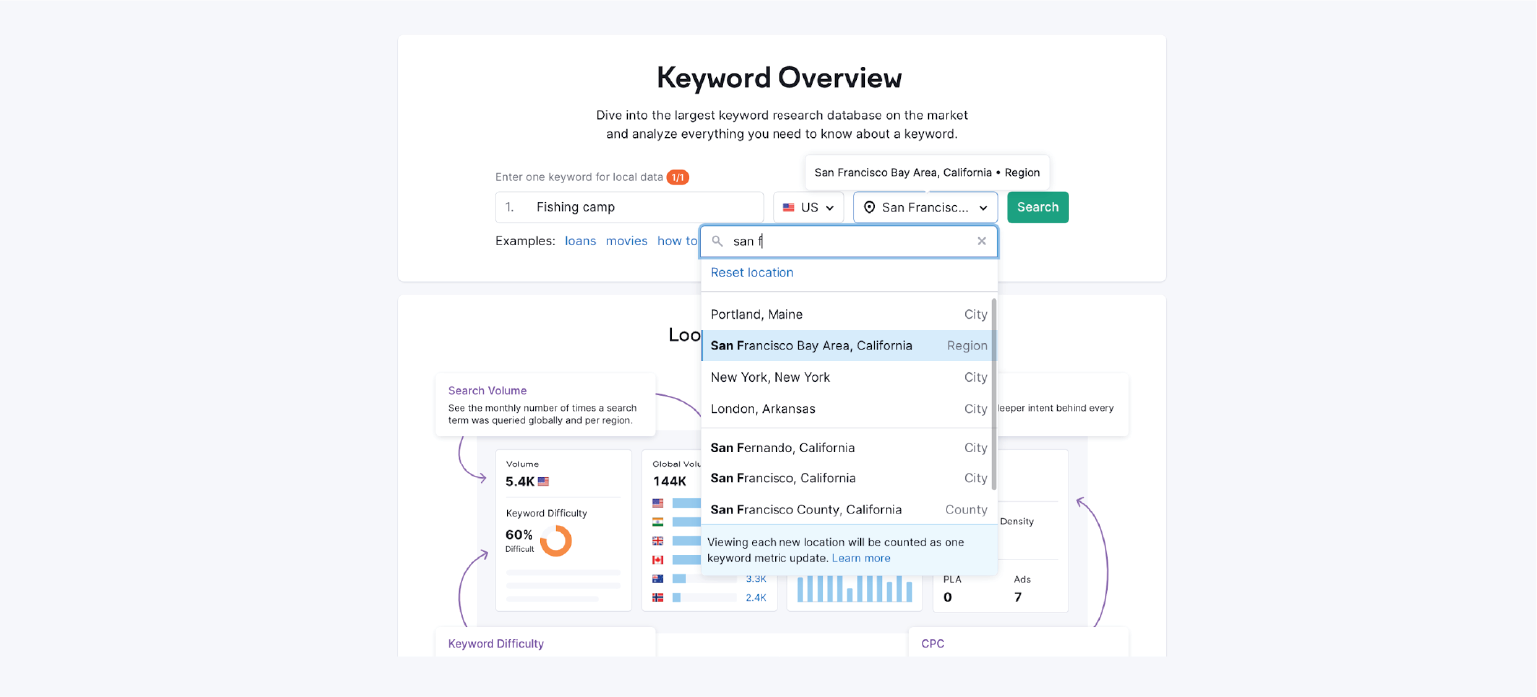
Let’s say you enter these two terms using the Keyword Overview tool on Semrush. Then, as you can see from the graphic above, there were far more national searches for the “Summer Camp” than for the “Fishing Camp” (1.9 thousand vs. 49.5 thousand monthly searches in the United States, on average).
Still, you can go even further in detail than that. A local metrics filter has been added to the Keyword Overview tool to assist you in finding out what people are searching for in the area of your choice. You can use the tool to focus your keyword research on a specific state, county, region, or even municipality.
All you have to do is enter in the location you want to find once you have your keyword. You can decide if you’ve selected the appropriate category for your chosen location by looking at the local search metrics of these trending phrases. Potential clients looking for your business online will value the information you provide in your profile since it may address some of their queries or worries.
Finally, the items on your GBP checklist are:
How can you now improve the local SEO of your business website?
In general, you must adhere to the same SEO fundamentals as any other website:
Then, a few ranking factors, such as mobile friendliness and citation management, start to matter more for local SEO. Citation management is crucial because when Google sees more consistent citations of your company name, address, phone number, and other information, it will be more inclined to trust your firm.
By automating the process with the local citation software, you may save hours of time updating pertinent local business directories with this data. Because so many people use their smartphones to look up local providers, mobile friendliness is important. Listing Management may help you unify your citations, and Site Audit will help you examine your technical SEO.
To make it easy for visitors to locate, first prominently show your company’s details on your home page or footer. This includes other crucial information as well as your NAP (name, address, and phone number). To provide search engines with a signal of confidence, this information needs to be the same for each citation. Conflicting information about a company may hurt your search engine optimization.
Alternative text: Monitoring and improving business listings is made simple by the listing management system.
Simply add your company’s details, and the citation tool will take care of the rest to assure that your information is regularly displayed on all of the key online citation sites (such as Facebook, Google Business Profile, Yellow Pages, and more).
In local SEO, reputation management is crucial. Ranking potential is correlated with the online interactions that customers and site visitors have with your business. It’s an easy idea to grasp.
You market yourself as a fantastic company that caters to the demands of clients in a particular area and as a thoughtful business owner. yet, you’ve received a ton of unfavorable feedback and reviews on social media, Google My Business (GMB), and other directories.
What then is it? As you say, are you an industry disruptor and thought leader, or do you merely create bad user experiences that enrage customers? Search engines like Google will determine who is correct.
Positive brand mentions, considerate client testimonials, and high ratings are therefore quite valuable. They bolster your assertions of providing exceptional service and encourage other web users to believe in your company and possibly make a purchase.
To increase your internet reviews and ratings, try these few suggestions:
If there are five or more reviews and client quotes, Google My Business (GMB), will display them. Remember that the most recent reviews will show up at the top as well. But newly published reviews can be overridden by voted ones. Therefore, it is not sufficient to have five positive evaluations; you must consistently encourage positive feedback in order to have your best qualities highlighted first.
When indexing information in search engine results pages, Google now favors mobile pages above desktop pages. This is because 60% of searches are made on mobile devices, and mobile friendliness is one of the top 10 ranking factors.
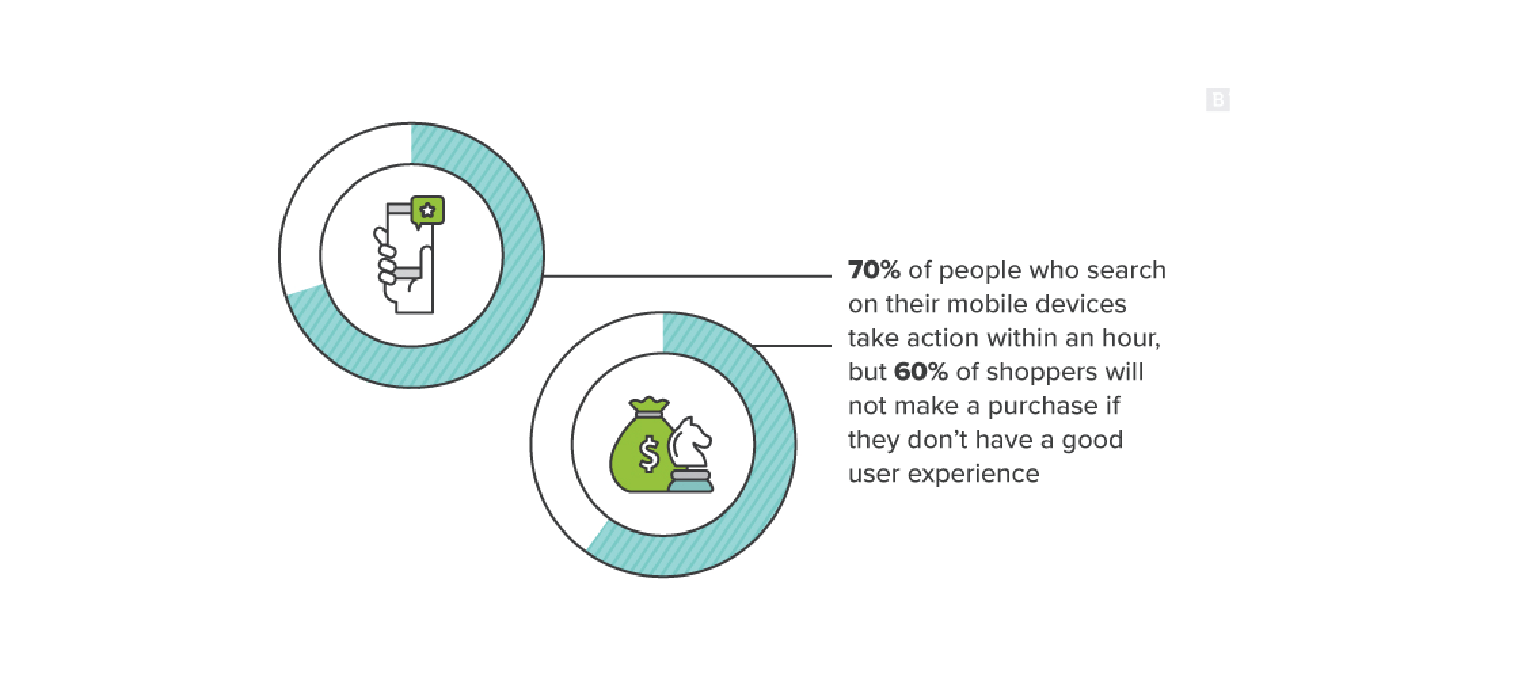
To check how your website looks on mobile devices and whether any presentational or technical SEO changes are necessary, use Google’s Mobile-Friendly Test. 60% of consumers who search on their mobile devices won’t buy if they don’t have a positive user experience, yet 70% of those who search do so within an hour. Poor UX can lead to a lot of losses. Thus, pay close attention to mobile responsiveness when you revamp your local SEO strategies because they are related needs for return on investment.
You have a fantastic opportunity to interact with the local market and communicate with customers directly through social media. However, maintaining your presence across several media is a difficult task.
To make things simpler, plan out your posts ahead of time and stay on top of trends by using a scheduling tool such as the Social Media Poster:
Almost all link-building tactics that are effective for non-local websites can also be applied to local businesses such as locksmiths, pizza shops, and dentists.
Things improve:
Local companies have a lot of special backlink chances that non-local sites cannot take advantage of because they are closely associated with a particular city or state. The majority of local companies maintain connections with other companies in their community. At some point, you’ll undoubtedly need to do cold email outreach, but for now, I advise getting links from people you already know.
Thus, I advise listing each:
Four major ranking factors—experience, expertise, authoritativeness, and trustworthiness, or EEAT—are taken into consideration by Google when evaluating whether or not a website’s content will be helpful to a searcher.
You can really benefit in these areas by regularly producing material for your blog. A blog allows your company to regularly update your website with new, keyword-rich content while showcasing your authority and area of expertise. Additionally, writing about subjects you are intimately familiar with increases the experience component.
Furthermore, you can market your website using the material you’re producing for it. You can, for instance, publish links to your blog entries on your social media profiles, highlight your blog entries in a consistent newsletter, and produce longer-form downloadable content to gather contact details from website visitors, such as phone numbers and email addresses.
If your company already has a blog, make sure the content you write is keyword-focused (long-tail keyword research is useful in this regard!). If your company doesn’t currently have a blog, you may create one by researching potential keywords, using resources like Google Trends to discover what people are searching for, or even asking your clients what they might find interesting from you.
Even if you don’t think you have the time or resources to manage a company blog (which does require organization and time), you may still produce informative FAQ pages with lots of keywords. A FAQ page can help you rank higher in search results and attract more business by answering often asked questions about long-tail local keywords.
You can begin optimizing for local searches as soon as you are certain that your website is in good condition and that your list of local keywords is robust. Optimizing the title tags and meta descriptions for each of your web pages is a crucial step in this process. The HTML code known as title tags displays the page title; this is also what appears in search engine results.
Your goal keyword and, depending on the page, your location should be included in your 50–60-character title tags. The HTML code that appears beneath a page’s title in search results is known as a meta description; it helps people understand what content to expect on the page before they click.
Your meta descriptions ought to be between 50 and 160 characters long, describing the content of the page and including your target keyword.
Additional SEO Things to Think About!
A/B testing of call-to-action and content layouts
Examine SEO rivals’ accomplishments to learn from and enhance
Examine Google news and algorithm updates for changes in patterns
Keep ahead of digital marketing developments that are relevant to your company.
Be patient, as SEO is a long-term endeavor evaluated by little advancements over time. Keep posting your best stuff.
There are many activities an organic marketer can perform to improve search engine ranking. From off page point of view, no activity is more effective than link building …
This article will speak about how and what to do in link building and what are the best practices which will help you enhance your website ranking.
Search Engine keyword ranking: It is the result of earning a reputation for a given page and there isn’t a more powerful tool available for digital marketers than relevant and high-quality links pointing towards your web page.
Backlinks: Also known as incoming links, inbound links, in links, and inward links, are incoming links to a website or web page. In basic link terminology, a backlink is any link received by a web node (web page, directory, website, or top-level domain) from another web node.
In the field of search engine optimization, link building describes actions aimed at increasing the number and quality of inbound links to a web page.
Search Engine keyword ranking is the result of earning a reputation for a given page and there isn’t a more powerful tool available for digital marketers than relevant and high-quality links pointing towards your web page.
It’s simple – the more links you have coming into your site just means that more people are referring you for something you’re good at. With the help of Links search engines like Google can see how valuable your site is to other people. And the truth of the matter is, even if you have lots and lots of valuable content, if people don’t link to you, the search engines won’t acknowledge your site as valuable. Why? Because search engines are machines. They’re blind about how valuable your site is. They can only see through links.
Although any link is a good link, getting 10,000 links in a week is not as beneficial as getting 10,000 links over the span of 6 months. When a site suddenly gets a ton of links, this throws up a red flag at the search engines that the site may be trying to cheat its way to the top. You should also remember that 100 links on a domain with lower domain authority than yours is less valuable than 1 link from a site that has a higher domain authority than your website, which is why you should always try to go for quality websites. With that being said, we would also tell you not to ignore the quantitative side of things. Because a larger quantity will increase your reputation and increase the trust on the content/information that is given from your page to the search engines; hence increases the ranks for a given keyword.
There are numerous ways in which you can improve the ranking of your website. Few of the best off site practices are Guest & Blog Posts, Web 2.0s, Blog Commenting & Forum Postings.
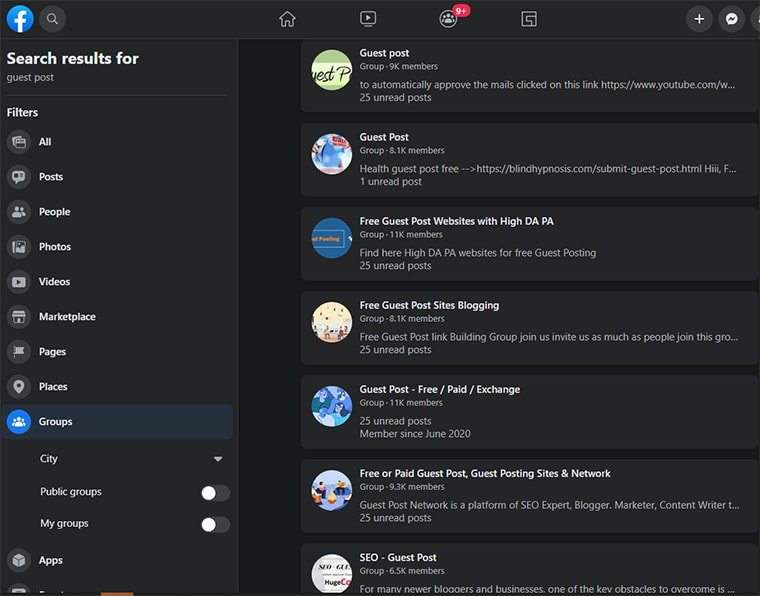
For guest and blog posting firstly, you need to find Guest Post & Blog Post Websites. We can find guest post website via Google & Facebook Groups.
Use the following queries to find guest & blog posting websites:
Keyword intitle:”write for us”
Keyword intitle:”write for me”
Keyword intitle:”contribute to”
Keyword intitle:”submit” + inurl:blog
Keyword “submit a guest post”
Keyword inurl:/guest-post/
Keyword “guest post”
Keyword “guest post by”
Keyword “accepting guest posts”
Keyword “guest post guidelines”
Keyword “guest author”
Keyword “guest article”
Keyword “guest column”
Keyword “become a contributor”
inpostauthor:guest Keyword
inpostauthor:”guest blog” Keyword
inpostauthor:”guest post” Keyword”
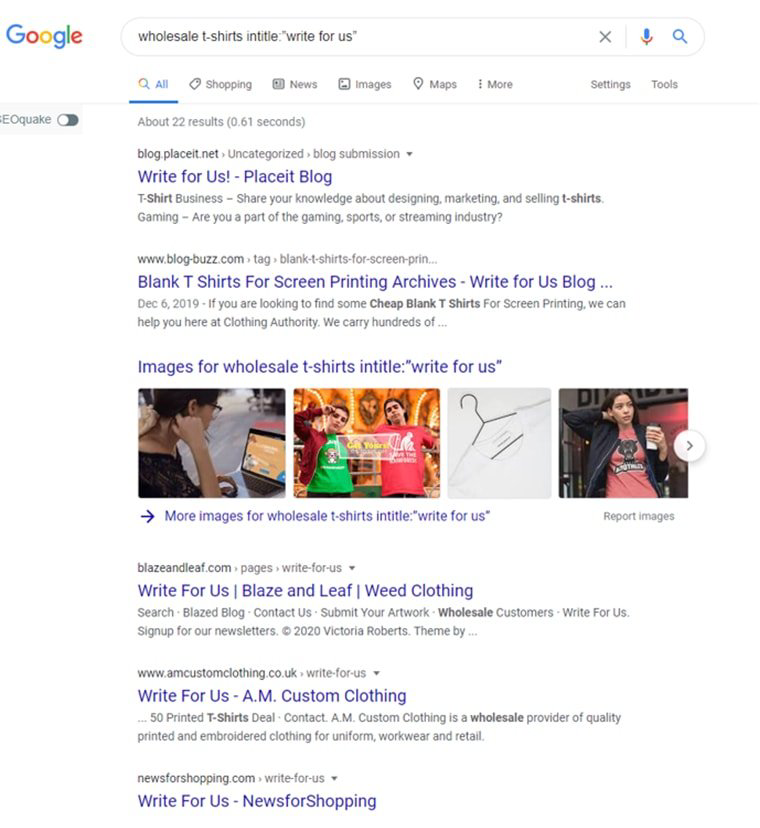
Or you can directly search about guest post websites with keywords such as, Free Guest Post Website, Instant Guest Post Website, Free Guest Posting, Free Guest Posting Instant Approval, Free Guest Posting Sites list 2020, and so on and so forth.
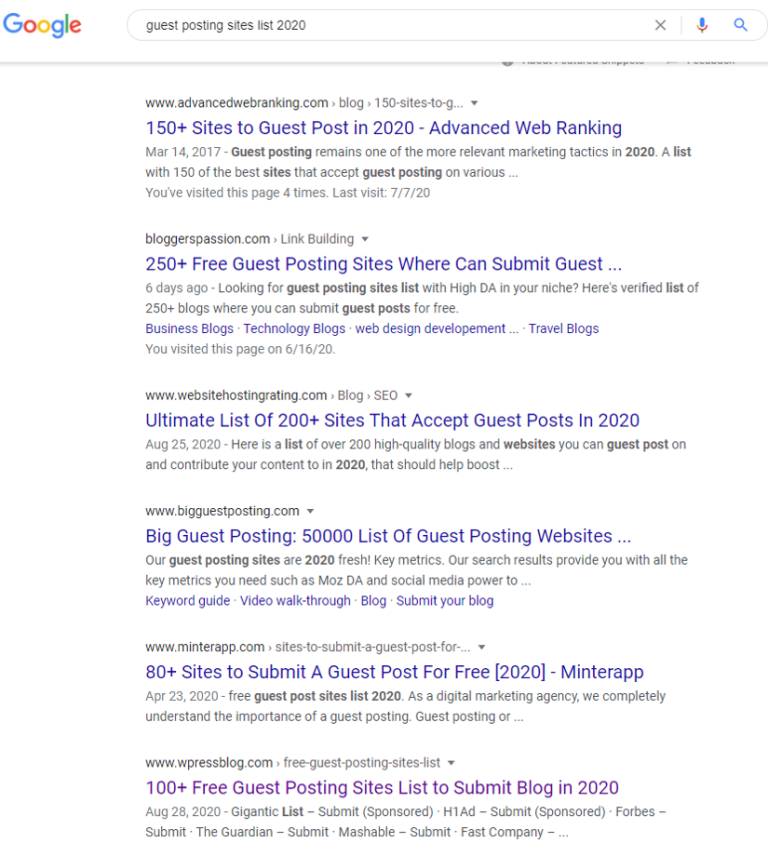
When I searched guest posting sites list 2020 on google, you see that the search result brought back 100’s of relevant websites. All you need to do now is open the links that match your niche, communicate with them & get your content posted.
Social media can be used effectively to find numerous guest posting and blog posting websites. All you’ve got to do is:
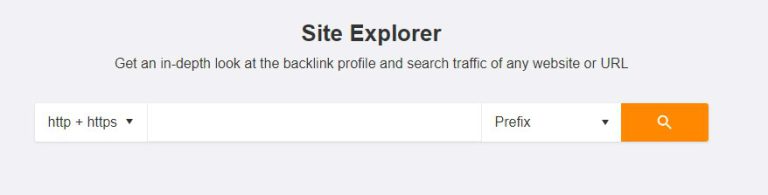

How to find relevant blogs for blog commenting:
We can use search queries to find relevant blogs for blog commenting.
“Add comment” Your Keywords
“Post comment” Your Keywords
“Write comment” Your Keywords
Inurl: blog”guest house” comment query
Site:.com inurl:blog + “post a comment” + keyword
Site:.com inurl:blog + “post a comment” + commentluv enabled
& more
For example:
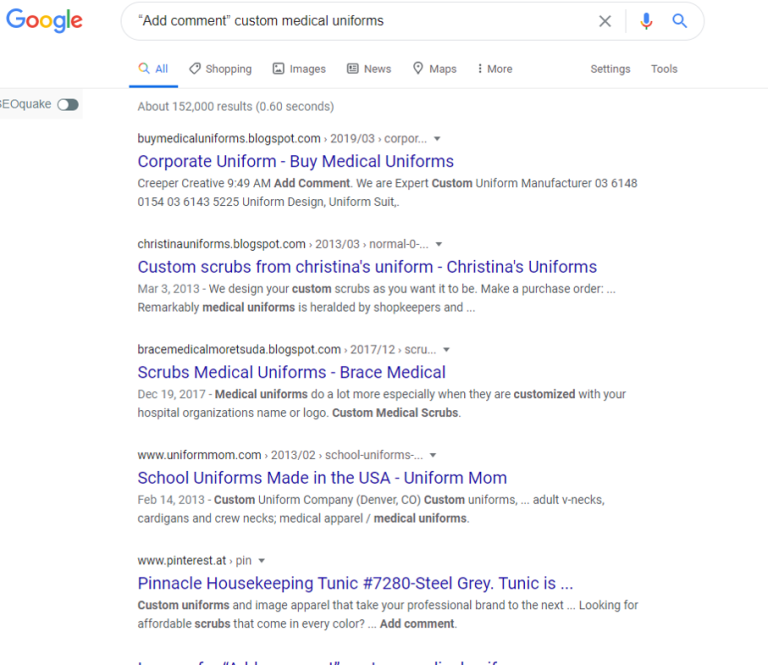
Just Click on your relevant blog for blog commenting & post your comment with your link.
There are two ways to get back links through forums:
Option 1: create your own topics.
The steps to creating your own topics are:
Step 1: Register yourself as a user
Step 2: Email Verification
Step 3: Create Topic
Step 4: Participate in ongoing topics
Create your industry related discussions here or you can also ask questions related to your industry.
Option 2: We can also reply to other topics through the “reply to thread” option.
For proper and effective link building you need to have the right plan. Depending on your goals and the different resources at your disposal; put together a weekly target. For example :
For a local business website; targeting 100 links a week should get the given business a top ranking, whereas for a global business in a highly competing industry (say Financial sector or automotive industry) even a 1000 links a week may not suffice. As marketers; this weekly target is based on the industry you are in, how much your competition is investing, and how you could outplace them to be ranked at the top.
With all that going on, do not lose sight of the fact; that you must not do all of these things at once; but pace it and do it over a period of time – and most importantly never stop it !
In 2024, the interest of businesses in search engine optimization is at an all-time high. As consumers shifted en masse to online, even the most traditional businesses realize why invest in SEO to accelerate their businesses’ digital growth. Many brands and businesses now know that they need SEO for their digital properties.
Whether you are a business or startup, search engine optimization is the first important component to launch a successful venture online. Luckily for you, we have just the information you are looking for. In this blog, you will explore the ins and outs of search engine optimization, why invest in SEO, and how it can benefit your business to start driving results for your business.
Search Engine Optimization (SEO) stands out as a highly sought-after digital marketing services essential for enhancing the visibility of your content on search engines. Through SEO, your website undergoes optimization to secure favorable rankings in response to relevant searches, ultimately boosting organic traffic to your business.
You implement a variety of on-page and off-page SEO strategies; you strive to elevate your website’s position on search engine results pages (SERPs). This approach not only heightens your online presence but also ensures that a growing number of potential customers discover your products and services as they explore queries related to your business.

For your business website, having a search engine optimization strategy is essential. Ahrefs, a widely used SEO tool, reports that almost 91 percent of all websites don’t receive organic traffic from Google searches.
This statistic might be overwhelming, particularly if you are responsible for marketing at your company.
Without gaining new traffic from search results, it becomes challenging to explore new markets and attract more potential customers to your organization’s buyer journey.
Whether you are a multi-million-dollar tech company or a self-employed repairman, SEO is crucial for driving sales, building market confidence, and shaping your online reputation. Your potential customers are actively searching for products online, and if they cannot find your business, they might choose a competitor that appears in their online search results.
Beyond boosting sales, consider updating your SEO strategy if your business aims for:
Organic Marketing for Search Engines, commonly known as SEO, is recognized as the most promising marketing avenue for long-term business success. In contrast to paid clicks, where you are confined to a set number of clicks for your payment, organic marketing offers enduring benefits.
Achieving a high ranking can yield virtually limitless marketing clicks without incurring additional costs.
Notably, this is the approach that websites like PTCOA employ to generate substantial traffic, ranging from 10-12K visitors.



SEO generate organic traffic works outside of your geography area. For example, you are in Dallas and searching for pain doctor in Little rock Arkansas “pain doctor little rock Arkansas” you will get organic results. These are Not paid results because paid result are limited to a geography area.
Local SEO gives you reach out side of small geographic area that a business typically targets with limited budget.

This allows companies to plant their digital assets in a new market well before entering into market and reduce their time to profitability.
If you aim to connect with a global audience, the potential benefits of SEO are undeniable. Social Media Today reports that 46 percent of searches are related to local information. Even if your audience is local, they are likely searching online.
You can use free Google My Business feature to enhance your business or website’s visibility on Search and Maps. This feature allows your listing to showcase your location, operating hours, customer reviews, and services in Google search results.
Small businesses often operate with limited budgets and tighter margins compared to larger corporations, making every marketing dollar crucial. SEO offers a remarkable return on investment without the need for expensive online ads, bidding for keywords, or outspending your competitors.
A well-executed SEO strategy propels a small business to the first page of Google results with minimal financial investment.

SEO enhances the quality of your website traffic. Users clicking on an organic link tend to trust the brand more compared to paid and social media ad traffic. This automatically elevates the quality of website traffic, aiding in lead conversion and the generation of new business.
Quality traffic is crucial to ensure that your target audience, the consumers most interested in your products,

discovers your brand online. With 80% of shoppers conducting product research online, SEO becomes instrumental in ensuring that users searching for keywords related to your business find your products and services online.
As SEO boosts your rankings on results pages, a greater number of potential customers interested in your products will discover your brand, leading to an increase in quality traffic to your business website.

Online reputation management services deploy SEO to enhance your brand’s online reputation, leading to improved performance in paid ads. Establishing brand recognition, awareness, and credibility is vital for cultivating a loyal customer base and attracting new potential customers.
Many SEO strategy focus on content marketing, allowing you to create informative and valuable content that resonates with consumers.
When consumers discover that your content and website provide helpful answers or solutions to their problems, they are likely to perceive your business as an industry expert. This elevates your brand authority and credibility.
As a bonus, SEO boosts your online visibility, ensuring that more consumers discover and engage with your brand, thereby increasing overall brand awareness.
Ensuring a seamless user experience is crucial because 89% of consumers opt to shop with a competitor following a poor website experience. It’s essential to keep consumers on your website, exploring your products until they are ready to make a purchase.
Search engines frequently factor in user experience when determining the ranking of websites and

content on the results page. SEO plays a key role in enhancing user experience by implementing strategies that boost your website’s performance.
Consequently, these strategies not only help users find the information they seek but also signal to search engines that your website delivers a positive user experience, contributing to higher rankings in the search results.

Implementing SEO strategy ensures that users discover your marketing campaigns online, including newly created content.
The synergy between SEO and other digital marketing strategies enhances their effectiveness, attracting more consumers through online channels. Consequently, you can anticipate heightened sales and revenue, leading to an overall improvement in your digital marketing ROI.
Arguably, one of the most significant advantages of SEO is its ability to enhance the long-term success of your business. Unlike numerous traditional marketing campaigns, SEO stands out as a sustained and ongoing strategy.
SEO ensures that you stay consistently attuned to search engine updates, enabling continuous optimization of your website and content to attract customers online continually.

The enduring impact of SEO means you can observe results from your strategy even years after the initial investment.
When you commit to investing in SEO, your business stands to expand, reaching your target audience and experiencing increased sales and revenue. This, in turn, fosters the growth of your business, propelling it to new heights.

Absolutely! The value of ranking in Google is undeniable.
To assess whether SEO is worth it, let’s consider an example. Let’s assume, for the sake of simplicity, that your average earnings per order are $100, and your online store attracts around 1,000 visitors per day.
It’s crucial to know the conversion rate, i.e., the percentage of visitors who end up making a purchase.
For our example, let’s assume a 2% conversion rate.
Without SEO services, your starting revenue amounts to $60,000 per month:
1,000 visitors/day ×30 days×0.02 conversion rate×$100=$60,000 per month.
Now, let’s consider the impact of basic SEO strategy, assuming they elevate your website’s ranking from page five to page one, resulting in a 50% increase in daily traffic:
1,500 visitors/day × 30 days × 0.02 conversion rate × $100= $90,000 per month.
By implementing basic SEO and experiencing a boost in traffic, you’ve effectively increased your monthly revenue by $30,000, or $360,000 per year! This demonstrates the significant potential and value that SEO can bring to your business.
Search Engine Optimization, better known as SEO, is the process that enhances the visibility of a website on a search engine that ultimately increases the sales. Statistics reports that businesses that invest in SEO experiences a surge of 400% in their ROI. However, right SEO tactics are all one need to hit the targets but the foundational step is knowing the SEO terminologies.
These words are the basis which instruct the effective optimization and ranking of the content. From the fundamental view to the most advanced solutions, every individual term has its significance in website performance on the internet.
SEO terminologies may embrace the elements as numerous as a few of keywords, backlinks, meta tags, and the like. Knowing all those keywords helps the companies and content creators to be in the loop with search engine changes, thus can increase the visibility of the site. Trying the same without the key knowledge base makes the result that much more unlikely and the visibility that much dimmer.
Whether you are looking forward to administrate a blog, operate an e-commerce business, or initiate a new brand, if you are looking to catch the traffic, you need to have a good grasp on SEO terminologies. So, in this blog we’ll walk you through the key terminologies that you need to know if you want to take your SEO game to next level.
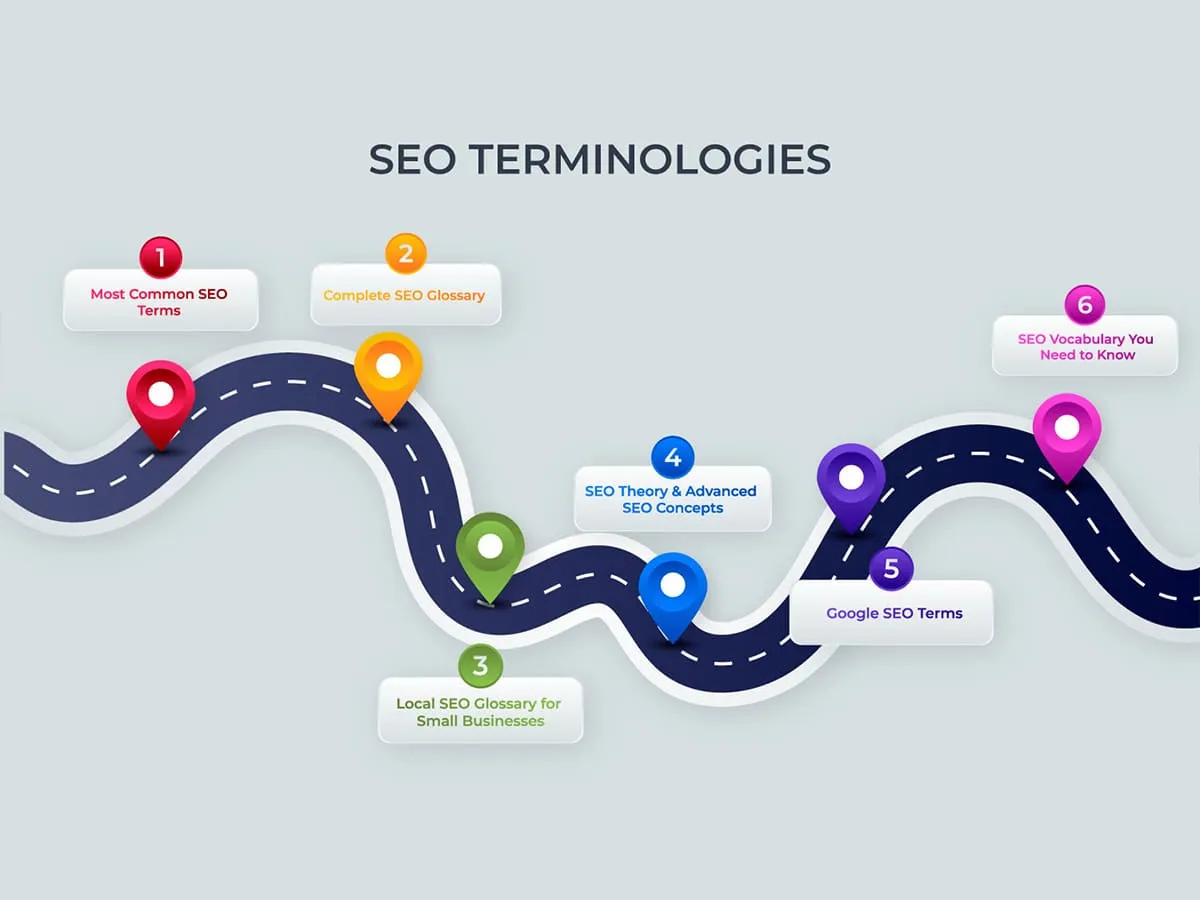
The SEO terms learning was not just limited to getting the definitions by heart—it was an allowed communication with the terms how they connect with the search engine and give you the information, which is beneficial for your website’s ranking. Beginning with keyword density up to domain authority, each of these accompanied words are a plus towards the health and fitness of your website’s SEO.
Knowing the SEO terminologies well is also useful in the information being conveyed easily to digital teams and the creation of content that better serves the goals. When a person learns the fundamental principles, they may easily learn the advanced topics.

When delving into search engine optimizatiositn, it is essential to first get a clear understanding of what it is actually.
First comes the term “SERP” (Search Engine Results Page) which indicates the page the user lands at after entering the query in Google Search box. According to statistics, the websites that ranks on the first page gets 99% of the overall traffic. So, the higher your website rank on SERP, the better the visibility is that ultimately leads to increased exposure and a higher number of clicks from organic sources.
The “Keywords” are the soul of SEO. These are the words and phrases that people type in the search box when they are looking for any information. The right incorporation of keywords allows the search engine to match your content with the user’s query. If both the things aligns, user lands on your website and the chances of conversion increases.
Then comes the Meta tags that includes Meta descriptions and title tags, which helps the search engine in understanding your content. Though it’s the fact that quality Meta descriptions are not a direct ranking factor but still can increase CTR (click-through rate), which will lead to better positions in the search engine results.
Another most common SEO terminology is “bounce rate” that shows how many people leave your website after visiting only the home page. High bounce rate may indicate content that is not what is being searched for or poor user experience.

Whether you’re new to SEO or looking to deepen your expertise, this SEO glossary covers essential terms to help you better understand search engine optimization.
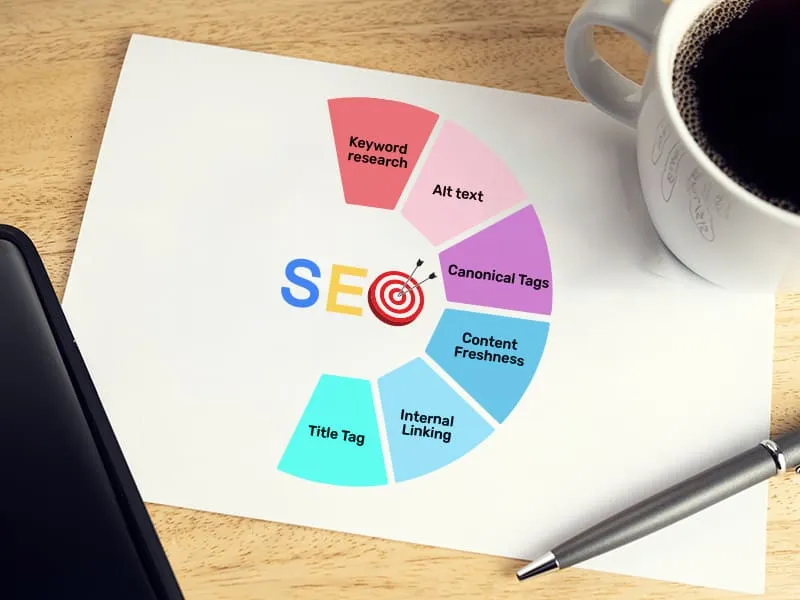
Explore essential SEO terms to strengthen your understanding and improve your website’s search performance.
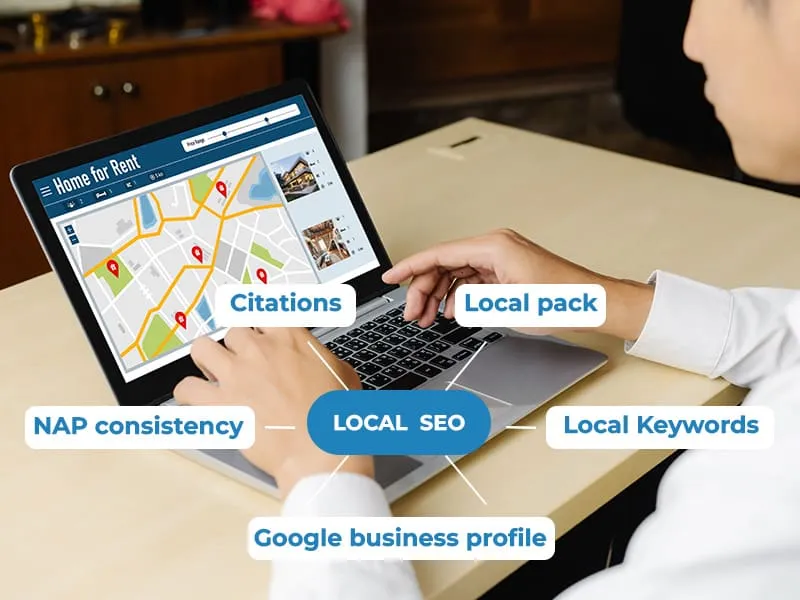
Knowing the real meaning of these local SEO glossary can boost small businesses’ local visibility in search results and make them more appealing to potential customers.
NAP Consistency (Name, Address, Phone number) on your web listings is a basic factor for your local SEO status. Incorrect or mixed information can cause confusion to search engines and can lower your local ranking position.
Google Business Profile, previously named Google My Business, is a platform that allows businesses to govern their representation in local searches and on Google Maps. It is the making of this profile in a very complete and proper way that local SEO is standing on.
The Local Pack is a set of business listings that materialize at the initial spot of search outcomes for local queries. Being included in the set will give a great push in the area of local visibility and local marketing.
Citations are instances of your business’s NAP information in any online platform. They play a major role in establishing trust with search engines as well as in getting your local SEO results better.
Thanks to the process of Geo-targeting, it is possible for ads and content to be on a global scale and be location-specific at the same time. This is how small businesses will achieve higher-quality traffic that is directed to the local area and also be improving cybercrime.
Local Keywords such as “best dentist in Austin” are bound to match you with searches for best local services. By putting these in the content, headlines, and meta-description of your website, the local searchability of your website will be better.
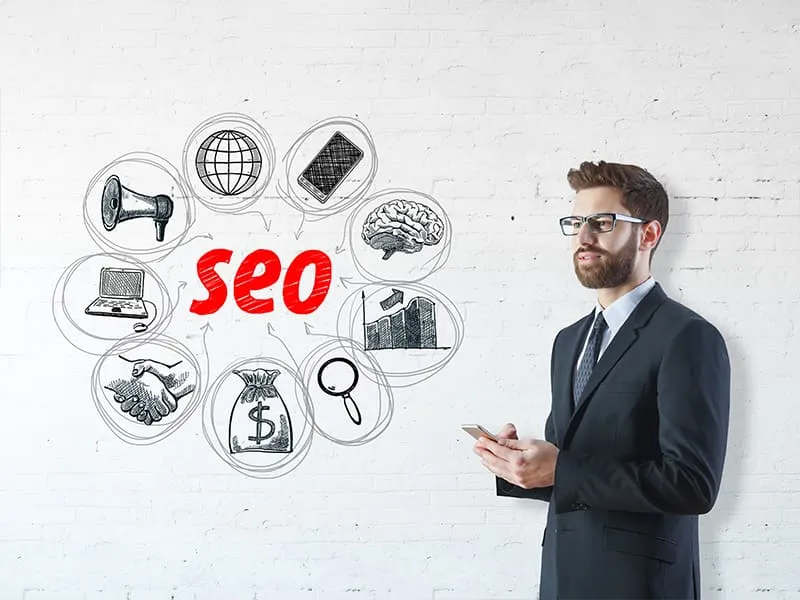
Despite the terms you need to understand to improve your site’s rankings, understanding the technical Google SEO terms is also crucial for building a successful, search-friendly website.
Core Web Vitals evaluates the experience of users in the real world as they interact with your site, and includes page load performance, interactivity, and visual stability. Google mostly uses these as a strong part of its ranking signals, especially concerning mobile-first indexing.
Mobile-First Indexing describes the situation in which Google actually uses the mobile version of your contents for indexing and ranking. Your site must be mobile-responsive to stand a chance of acquiring a good rank SEO-wise.
Page Experience Update is an additional Google development that underscores aspects like HTTPS, mobile usability, and safe browsing. Providing a good user experience may substantially improve the rankings of your website.
Search Intent designates the purpose for a search. This includes the content matching the searches of people who are looking for information, products or services, or for a place. This is the key to satisfaction for users and search engines.
Crawl Budget refers to the number of pages Google bot can walk in your site over a certain period of time. The efficient organization of your site and the reduction of its poor quality pages contribute to the optimization of the crawl budget.
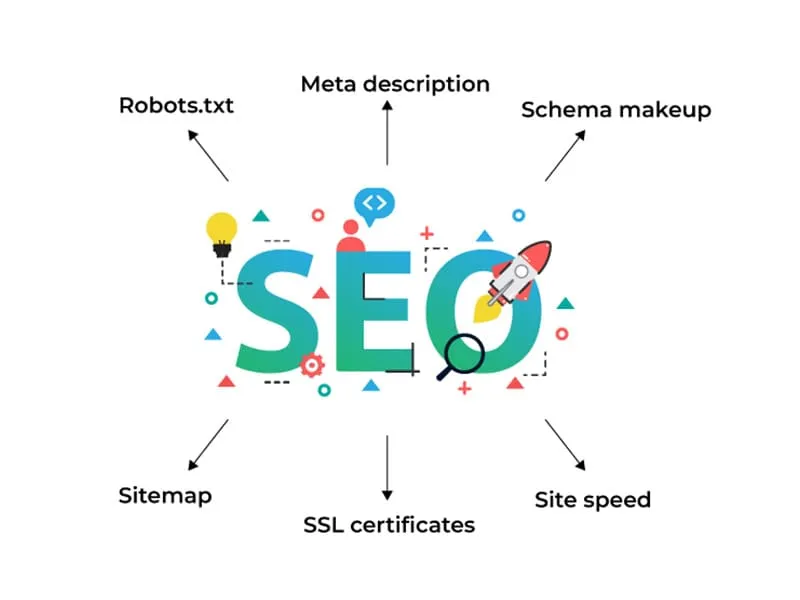
Before diving deeper into advanced strategies, it’s important to understand the foundational SEO vocabulary that shape how search engines interact with your website.

LSI keywords are the context words that amplify the appropriateness of your content. The utilization of LSI lets the search engines comprehend the topic in a better way and it results in semantic SEO being better performed.
Link Equity as well as “link juice” basically implies the point of SEO value that is given through hyperlinks. Backlinks from reliable sources will pass some of their link equity (a vote of confidence in a way) to your website, thus increasing your page’s authority and rankings.
Content silos are a system for arranging your site into thematically grouped content silos. Following this approach significantly enhances internal linking, boosts your general subject authority, and results in improved SEO overall.
Domain age and trustworthiness are also having a role to play in SEO, albeit not very prominent ones. The domains that have been around for a long time and were, as a result of that, able to establish a positive track record within the industry, are usually at an advantage in comparison to new domains, provided they continue to receive timely updates and stay on the topic.
Crawl Errors, that is 404s, or server issues are bad for your SEO. Each of these bad things can have a negative impact on the SEO of your site. A quick check inside your website in search of incongruences and broken links is a goal you definitely ought to pursue which has to be refreshed often.
User Engagement Metrics like time on site, pages per session, and bounce rate serve as indirect signals telling the search engines what they need to know about your content’s
I would suggest checking them out every two months as well as if you make significant changes to your website, such as removing pages, switching servers, or doing anything else that could cause some older links to stop working.
Link building is essential for SEO. Indeed, backlinks are among Google’s “top 3” ranking factors, as the search engine has verified. Unfortunately developing links is difficult, which is why most other SEO checklists skip this step but links are essential if you want to rank in Google.
Luckily, you can have customized SEO best practices to put your own SEO plan into action. Developing interesting and educational material and using target keywords to make your content easier to find for readers are just two examples of these best practices.
Having a website that is optimized for mobile is crucial, as most searches are conducted on mobile devices. Mobile friendliness is one of the ranking factors used by Google. Therefore, a website that isn’t mobile-friendly may perform worse in search engine results.
yes. All you require is a website where you can put your expertise to use and an openness to learning new things.
It's important to remember that the SEO process ought to begin far earlier in the website planning phase, even before considering the website's content and design.
Increasing a website's exposure in search results is the main goal of SEO. It is therefore an essential component of any digital marketing plan. PPC advertising and SEO work well together, and there are overlaps with other marketing disciplines like social media and content marketing.
SEO is generally more cost-effective than paid advertising, as you don’t need to pay for clicks or impressions. Instead, you invest in optimizing your website for search engines. Therefore, you can discuss it with an expert during your ecommerce consulting session.
Whether you are running a small local business or a large enterprise, SEO can help you reach your target audience, increase website traffic, and generate leads.
Search engine optimization (SEO) can provide businesses with many benefits, including increased web traffic and more qualified leads coming through the sales funnel. At its core, SEO has the potential to bring more organic attention to your business — which means it doesn’t cost you anything.
SEO stands for Search Engine Optimization. It is the process of improving a site with the main goal of increasing its search engine visibility and attracting more organic traffic.
Knowing the SEO terminologies is the foundation of one’s ability to optimize well, speak with digital teams, and make decisions that give rise to improved search rankings.
Backlinks are the other websites' links referring to your site. They are the endorsement of reliability and influence, which, in turn, enhances rankings in search engines.
On-page SEO is concentrating on the inner optimization of your site such as content and HTML tags. Off-page SEO, on the other hand, deals with external aspects (e.g. backlinks and social signals).
Do you want to know more about setting SEO objectives for your company? To receive more SEO advice, check out our SEO services and subscribe to our emails! Our staff of professionals works nonstop to provide you with the most recent news from the sector.
Give us a call at +1.813.600.3391 or send us an online message if you have any questions or would want to discuss partnering with us!
By following this thorough SEO checklist on a monthly basis, you may develop huge organic growth for your website across search engines. Consider SEO as a long-term, consistent strategy that will eventually bring in consistent visitors. Adhere to the four pillars of local search maps, relevant content, powerful links, and technical stability, and observe how your SERP visibility grows!
Happy Reading!
If you’re eager to initiate your SEO strategy, look no further. IT Verticals boasts a team of seasoned experts with a remarkable 15-year track record of delivering tangible results for our clients through our comprehensive SEO services.
Our digital marketing professionals specialize in crafting custom strategies tailored to your specific needs, aiming to enhance your ranking in search results and elevate your online visibility. Whether you are seeking to establish a stronger online presence, attract more targeted traffic, or improve your overall search engine performance.
Our team is well-equipped to guide you through the intricacies of SEO and drive meaningful results for your business.
We create a tailored SEO strategy that aligns with your business goals and ensures sustained success in the digital landscape. Get ready to optimize your online presence and achieve your business objectives with IT Verticals as your dedicated SEO partner.
Acquiring an excellent understanding of SEO terminologies is pivotal in building a web page that is top-ranking and one from which you can rely on attracting a constant steam of traffic. No matter whether you are somewhere at the beginning of the journey or an already seasoned marketer, these wordings will put you at a great advantage. By understanding volatile SEO terms, you can better track the success of your plan, optimize to the algorithm changes, and make the strategies that will leave the profits rolling in for a long time. Always striving for new knowledge is crucial; the guide shared here will be a great aid in your SEO journey.