Imagine a world without animation, no Pixar movies, no classic cartoons, no vibrant video games. Seems so boring, doesn’t it?
Animation has become a very important part of our daily lives. Such that it’s hard to remember the time when it didn’t exist. As per recent reports, the global animation industry is projected to grow at a staggering rate of 7.1% annually. This reflects the increasing demand for animated content.
From movies and television to gaming and advertisements, animation continues to captivate audiences worldwide. But the question is, how much do you really know about the history and fascinating details of this dynamic form of art?
Read through to know the top 14 interesting animation facts that will leave you surprised!
The roots of animation can be traced back thousands of years. The animation facts reveal that although the earliest forms of animation were not as refined as what we see today, they were significantly novel for their time. Back then, the animations mostly described what people saw in real life, and did not have much to do with the imagination. Still even ancient civilizations used illusions or tricks in their art, which showed movement of the object or character. For instance, the oldest animation can be found in Egyptian hieroglyphs, where animals were depicted to be in motion. Fun facts about animation show that such techniques and technology evolved significantly over time. This has now transformed in the modern 2D animation and 3D animation we see today.
The First Animation Adaptors
The modern concept of animation began with simple tools like the zoetrope, which was a device invented in the 19th century to create the illusion of movement by displaying a series of still images in rapid succession. This helped in making, what is considered to be, the first ever animation. The film, Fantasmagorie, was created in 1908 by French filmmaker Émile Cohl. This was a short film featuring stick figures that moved in a fluid like manner, making it one of the earliest examples of modern-day animation. Interesting facts about animation like this demonstrate how far we’ve come since the beginning of animated films.
14 Animation Facts to Know
The First Animated Film
Although the first ever animation was Fantasmagorie, it didn’t receive widespread attention and it wasn’t until 1914 when Winsor McCay created his first ever animation, Gertie the Dinosaur, which gained significant traction. This film was revolutionary for its time, as it was one of the first animated films to feature a completely animated character interacting with a live-action backdrop. This animation film helped lay the foundation for the future of 2D animation.
The Pioneers of Animation
The style of animation, as we know it, began in the early 20th century. Some of the most influential figures in the animationindustry include Walt Disney, Winsor McCay and Chuck Jones. These were pioneers in the field, laying the groundwork for the modern-day animation. The contributions to the art form by these pioneers are invaluable. All their work laid the foundation for the rise of animated feature films, showcasing the incredible potential of animation as a storytelling medium.
Walt Disney’s Impact on Animation
Walt Disney transformed the animation industry in the 20th century. Disney created some of the most iconic characters in animation history. His creation of Mickey Mouse in 1928 converted the animation industry into a mainstream media, marking a turning point in the history. Disney’s company went on to produce numerous animated characters and feature films, including classics like Snow White and the Seven Dwarfs (1937), their first animated feature film ever. The foundation for the global animation styles that we have today, was laid by Disney’s innovation and dedication.
The Advent of Sound in Animation
Before background sounds were used in the animated films, they were silent and relied purely on visuals to tell the story. However, sound in animation was leveraged in the late 1920s with the release of Steamboat Willie or more commonly known as ‘Mickey Mouse’. The animated content experience was changed forever for the audiences by this breakthrough. It blended audio and visual storytelling in a way that had never been done in that genre before.
The Introduction of Technicolor
Technicolor was introduced to animations in around 1932. This allowed for vibrant, full-color films for the audience, enhancing their experience. The first major animated feature film to use this process was Disney’s Snow White and the Seven Dwarfs, showing the potential for color. Interesting facts about animators highlight how the introduction of color drastically altered the look and feel of animation. This paved the way for the richly detailed visuals we see in modern 2D animation and 3D animation.
The Rise of Animated Feature Films
The popularity of animated feature films began with Disney’s Snow White and the Seven Dwarfs in 1937. This film was both a commercial and critical success, because animation studios began to create full-length animated films, leading to renowned productions like The Lion King and Finding Nemo. Animation facts show that this category of animation has become a crucial part of the entertainment industry as it captures the hearts of both children and adults.
The Influence of World War II on Animation
During World War II, animation played a significant role in propaganda efforts. Studios like Disney and Warner Bros. produced cartoons to promote wartime messages, often featuring iconic characters such as Donald Duck and Bugs Bunny. Such animations were not only popular but also served as a means to convey political messages to the public. These wartime animation fun facts show how animation became a tool for both entertainment and political messaging.
The Global Spread of Animation
Today, animation is a global phenomenon, with studios and animators across the world contributing to the art form. The rise of 3D animation and digital animation has made it easier for studios worldwide to produce high-quality animated films. Countries like Japan, South Korea, and India have become major players in the animation industry, adding their unique styles and stories to the world of animation.
The Birth of Computer-Generated Imagery (CGI)
In the 1990s, CGI transformed animation, allowing animators to create highly detailed, lifelike images and characters. The release of Toy Story in 1995, the first full-length feature film created entirely with CGI, marked a significant milestone in animation history. The advent of 3D animation led to more immersive experiences for audiences, especially in the realm of video games and blockbuster films.
The Emergence of 3D Animation
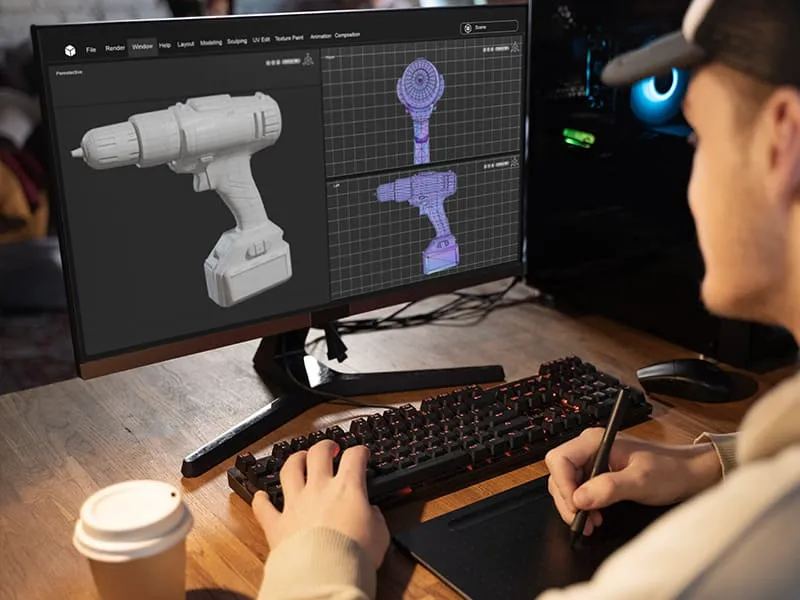
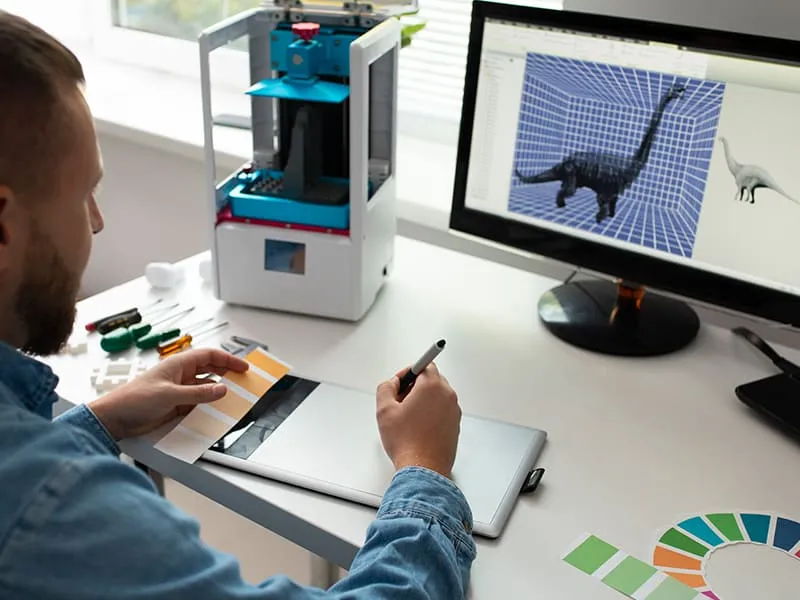
The emergence of 3D animation has been one of the most significant developments in recent years. This technology allows animators to create characters and environments with depth and dimension, bringing them to life in ways that were previously impossible. 3D animation has revolutionized the entertainment industry, from animated movies like Frozen to complex special effects in live-action films. With advancements in technology, 3D animation continues to evolve, pushing the boundaries of creativity and realism in both films and video games.
The Popularity of Animated TV Shows
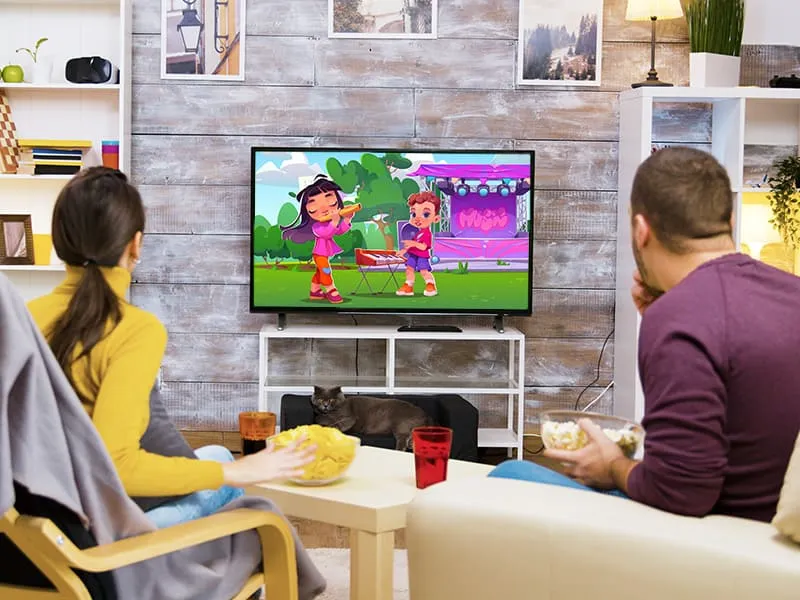
Animated TV shows have become a staple of entertainment for all ages. From The Simpsons to SpongeBob SquarePants, animated television has been a source of joy and humor for decades. Facts about animators reveal that these shows have a dedicated fanbase, and their success has contributed significantly to the growth of animation as a global phenomenon. In recent years, streaming platforms like Netflix and Disney+ have further fueled the popularity of animated TV shows, reaching audiences worldwide.
The Evolution of Stop-Motion Animation
Stop-motion animation, which involves photographing physical objects frame by frame to create the illusion of movement, has a rich history in animation. Films like The Nightmare Before Christmas and Coraline showcase the art of stop-motion, combining intricate craftsmanship with imaginative storytelling. Fun facts about animation show how this unique technique continues to captivate audiences, even in the age of CGI.
The Profitability of The Animation Industry
The animation industry is highly profitable, with its global market reaching billions of dollars annually. Animation facts show that films, television shows, and digital content consistently generate significant revenue. Major studios like Disney and Pixar continue to dominate the box office, while streaming platforms further boost profits. As demand for animated content grows, the industry’s financial potential only increases, making it a key player in entertainment.
The Future of Animation Technology
The future of animation technology is incredibly exciting, with advancements in artificial intelligence, virtual reality, and augmented reality offering new possibilities for creators. As technology continues to evolve, the way we experience animated content will likely change, allowing for even more immersive and interactive experiences. With the potential for real-time rendering and more sophisticated motion capture techniques, the creative possibilities for animators will expand on a huge scale.
Technology has drastically changed animation, from the introduction of CGI and 3D animation to advancements in computer software that allow for more intricate designs and faster production times.
The Lion King (1994) is widely considered one of the most popular animated films of all time, both critically and commercially.
Conclusion
The above-mentioned animationfacts tell us that it has come a long way since its inception. It has evolved from simple hand-drawn pictures to breathtaking 2D animation,3D animation and CGI. With the integration of AI, VR, and AR, the next generation of animation will likely offer more immersive and interactive experiences. The future of animation looks brighter than ever, with endless possibilities for innovation and creativity.
IT Verticals, a trusted animation and graphic design agency, continues to offer a wide range of services, from logo design to full-scale 2D animation and 3D animation services, helping clients bring their ideas to life.