

Mobile App Development Cost: What You Need to Know in 2026
Every article on mobile application development cost follows the same script. It opens with “it depends,” tosses out a range from $10,000 to $500,000, and ends with a contact form. That is not a pricing breakdown; it is a delay tactic, and it leaves founders like you no better informed than when you started.
This guide does something different. It explains exactly what drives the price up or down, and helps you walk into any agency conversation knowing whether the quote you received makes sense or whether something is off.
A detailed mobile app development cost estimate can save founders from unrealistic budgeting mistakes before they become more costly.
App development budgets follow a predictable pattern based on a small set of decisions that you make before a single line of code is written.
Understand those decisions and understand the numbers behind your Mobile App Development cost.
Table of Contents

Mobile Phone App Development Cost Breakdown: What Drives the Price
A proper mobile app development cost breakdown starts with four compounding variables. Who is building the app, how long it takes, the complexity involved, and which platform is selected. The cost for mobile app development changes depending on these choices.
Misunderstand any one of them and you end up with the story that appears in founder communities constantly: “I expected to pay $20K to $30K. The agency quoted me $120,000 and I had no idea if that was reasonable or a rip-off.”
Team Size and Composition
They have the most direct impact on your hourly burn rate. A solo freelancer charges differently than a three-person team of designer, developer, and project manager, which charges differently than a custom software development services with QA engineers and a dedicated account lead. Larger teams charge more per week but have better communication. Choose the team size based on your timeline and tolerance of delays. This directly impacts your overall mobile phone app development cost and long-term maintenance obligations.
Timeline and Team Size
Both factors are inversely related within a fixed scope. You can get the same app in three months with a larger team or in six months with a smaller team one. But the total cost of app development rarely compresses proportionally.
Getting a larger team to build by doubling headcount does not cut costs; it often increases it by 30% – 40% because coordination overhead rises with team size.
Most funded teams building a real v1 product in the US or EU land in the $80,000 to $250,000 window, which is now considered the standard average cost of mobile app development for startups in 2026.
Complexity
Many founders underestimate this. A simple app that has static content and no backend costs a lot less than an app with real-time messaging, a payment gateway, user profiles, and a third-party API integration.
These are two fundamentally different products that have different engineering challenges with different team requirements, testing cycles and security obligations. Complexity is the biggest driver behind the cost of mobile app development today.
Platform Choice
Whether you go for a separate app for iOS or Android or choose a cross-platform framework like Flutter. Your choice here will impact budget drastically.
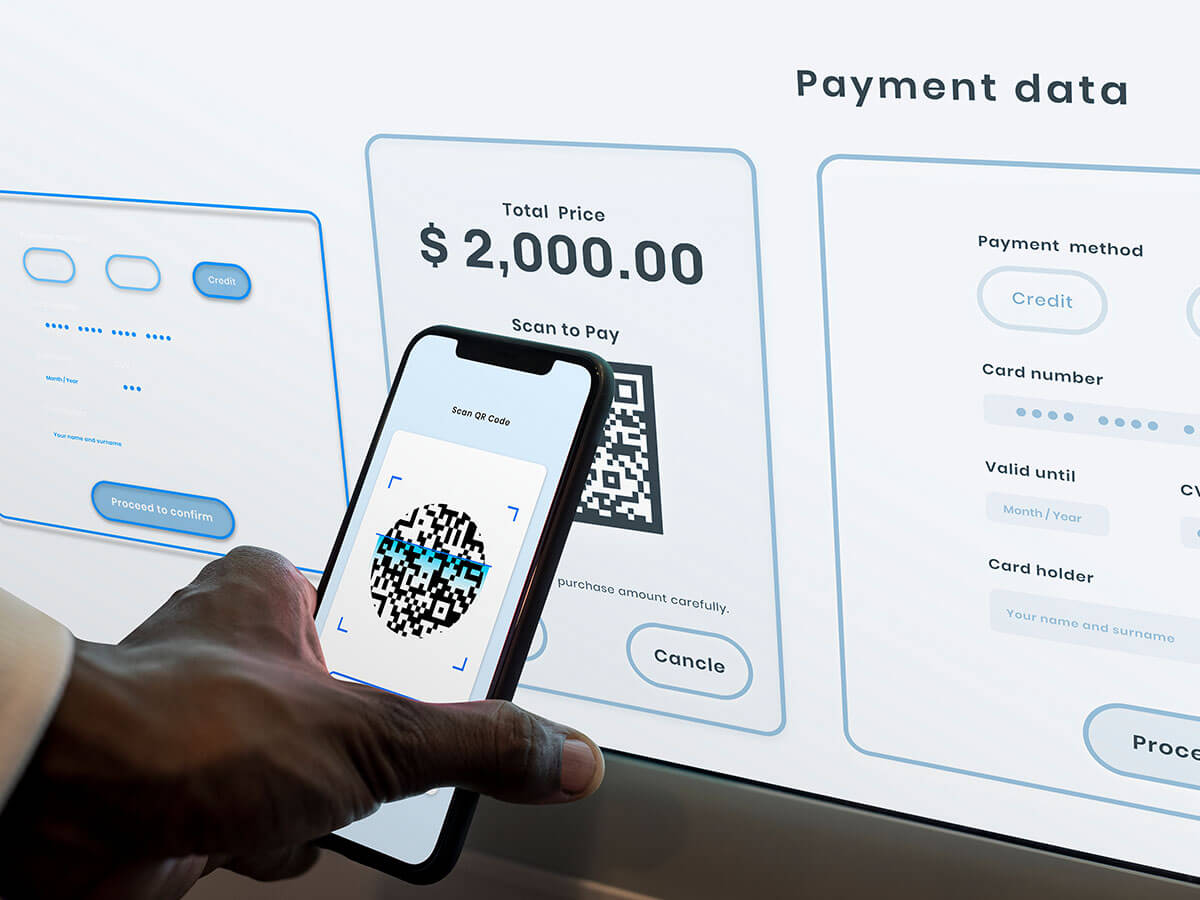
Key Factors Affecting the Cost of Mobile App Development
The complexity of your feature set is the primary cost driver inside any given project. Each feature carries its own engineering weight, and that weight compounds when features interact with each other. This is where most founders begin understanding true mobile phone app development cost structures.
Real-Time Functionality
Adding live chat, push notifications, and live data feeds requires a persistent connection with the backend which increases engineering complexity and infrastructure cost. When you add a real-time chatting system inside the app you add $15,000 to $30,000 depending on the message volume requirements, encryption needs, and integration with current user data. This significantly increases the mobile application development cost for communication-heavy products.
Payment Gateway Integration
To most businesses adding Stripe and Brantree seems like a one-click integration. In practice, adding a payment gateway includes PCI-DSS compliance considerations, webhook handling, refund and dispute logic, and full testing cycle in a sandboxed environment. The cost of adding a payment gateway can lie between $15,000 to $20,000 and raises the overall cost of mobile app development considerably.
Geo-location Features
Adding geo-location features like maps, route tracking, proximity triggers, and location-based search add $8,000 to $20,000 to the cost depending on additional features like real-time background updates. These features are common inside delivery apps where the mobile phone app development cost tends to rise quickly.
User Authentication and Profile Systems
These are foundational to most apps but are often underpriced during initial quotes. Social Sign-in through Google and Apple, role-based access control, two-factor authentication, and data privacy compliance each increase work hours. A fully working authentication system can be somewhere between $5,000 to $15,000. This contributes heavily toward the final mobile application development cost.
The Tech Stack
Choosing tech stack affects both cost and long-term maintenance. Native iOS development using Swift and native Android development by Kotlin both need separate codebases. Separate teams or a developer who is proficient in both languages, and separate QA cycles. This doubles parts of the application development cost.
Cross platform frameworks such as Flutter use a single codebase for both Android and iOS apps that can be deployed simultaneously. Typically, companies choose Flutter when they’re searching for affordable mobile app development as it can reduce engineering time dramatically.
Developer Hourly Rates by Region
These are what creates the widest variance in quotes and tells why two agencies can charge radically different for the same project brief. Understanding regional rates helps create a realistic mobile app development cost estimation before negotiations begin.
- United States and Canada: $90 to $200 per hour
- Western Europe: $60 to $100 per hour
- Eastern Europe: $45 to $85 per hour
- South Asia: $20 to $50 per hour
- Australia: $90 to $120 per hour
A 2,000-hour project can cost $40,000 to $100,000 with an Eastern team and $180,000 to $400,000 with a US-based senior team. That difference explains why the average cost of mobile app development varies globally.

Industry-Specific Mobile App Development Costs
Industry requirements also shape Mobile App Development cost decisions.
Restaurant and Food Ordering Apps
These apps come in the range of $30,000 to $80,000. Add loyalty programs and real-time kitchen management and the scope increases substantially. The final ecommerce mobile app development cost for food delivery businesses rises because of backend logistics and payment systems.
eCommerce Apps
These are mid-to-high complexity apps. Product catalog management, checkout flow, search systems, and inventory synchronization all raise the ecommerce mobile app development cost substantially. Most modern eCommerce brands also require personalization engines, increasing the mobile app development cost breakdown further.
Healthcare and Telehealth Apps
Healthcare apps are among the most expensive builds because of compliance requirements. HIPAA compliance increases engineering complexity dramatically and raises the total cost for mobile app development.
Fintech and Banking Apps
PCI-DSS compliance, KYC verification, fraud detection, and transaction processing make fintech apps consistently expensive. A standard mobile banking app development cost ranges between $100,000 and $300,000 for a secure v1 product.
On-Demand Service Apps
Rideshare and service delivery platforms involve multiple interfaces. This significantly increases the mobile app development cost estimate because three systems often need to be developed simultaneously.

Cross-Platform Development vs Native App Development
This decision changes the overall Mobile App Development cost more than most founders realize.
Native Development
Native development means building separate apps for Android and iOS. It provides the best performance benchmarks but substantially increases the mobile app development cost and doubles QA requirements.
Cross-Platform Development
Flutter and React Native use a single codebase. Businesses seeking affordable mobile app development prefer Flutter because maintenance costs stay lower over time.
One founder explained it clearly: “We spent $80K building it. If we’d used Flutter earlier, our cost of app development would have been dramatically lower.”
Cross-platform frameworks are now widely used because they reduce the cost of mobile app development while maintaining near-native performance.

Cost Comparison: Simple, Medium, and Complex Apps
Simple Apps
These include static content display, basic authentication, and minimal backend logic. The average cost of mobile app development for these projects ranges from $10,000 to $40,000.
Medium-Complexity Apps
These apps include payment systems, user profiles, and notifications. Their total mobile app development cost estimate generally falls between $40,000 and $120,000.
Complex Apps
Complex systems include AI, machine learning, enterprise integrations, and compliance requirements. Here the mobile banking app development cost and enterprise software pricing rise dramatically.
These large-scale products often exceed the standard Mobile App Development cost expectations most founders initially have.

Common Mistakes That Increase Mobile App Development Costs
Skipping Discovery
This is the most damaging mistake. Without discovery, the final mobile application development cost becomes unpredictable. A proper discovery process also improves mobile app development cost estimation accuracy before contracts are signed.
Feature Creep
Feature creep quietly increases the cost of app development and extends launch timelines. Most features added mid-build provide little real-world value.
Optimizing for Cheap Rates
The cheapest team often creates technical debt later. That hidden debt raises future cost of mobile app development expenses significantly.
Ignoring Technical Debt
Technical debt increases future development expenses by up to 40%. This hidden liability dramatically changes long-term the cost of mobile app development projections.
Underestimating Post-Launch Costs
Maintenance, security updates, API subscriptions, and marketing are all ongoing expenses. Many founders underestimate the real mobile phone app development cost after launch.

Plan Your Mobile App Budget Wisely
Experienced founders separate build budgets from ownership budgets. That distinction matters because ongoing maintenance becomes a major part mobile phone app development cost planning.
Maintenance typically runs 15 to 40% of the original cost of app development annually. This includes security patches, server hosting, OS updates, and QA support.
If your app monetizes through subscriptions or purchases, app store commissions also impact the cost of mobile app development.
Marketing costs are another major factor. Launch campaigns significantly affect your total cost for mobile app development strategy because distribution matters as much as engineering.
A practical mobile app development cost calculator should include development, launch, maintenance, infrastructure, and user acquisition costs.
Companies offering affordable mobile app development often achieve savings through Flutter, smaller MVP scopes, and structured planning mobile app development process.
Using a proper mobile app development cost calculator also helps founders estimate scaling costs over an 18-month runway.
Businesses planning fintech products should carefully evaluate the projected mobile banking app development cost before selecting a vendor.
Similarly, retail brands need a realistic ecommerce mobile app development cost forecast because backend systems and inventory integrations increase scope rapidly.
A transparent mobile app development cost breakdown prevents budget surprises and creates better negotiations with agencies.
Most importantly, every founder should request a professional mobile app development cost estimate before signing contracts.
Frequently Asked Questions
Most small-to-mid business apps cost $50,000 to $120,000. However, the final average cost of mobile app development depends heavily on complexity and platform choices.
Yes. Maintenance, subscriptions, infrastructure, and marketing all increase the final mobile app development cost breakdown after launch.
Yes. Most mobile app development services provide a preliminary mobile app development cost estimation after an initial consultation.
Feature complexity, timeline, team size, and post-launch maintenance all affect the final cost of app development.
Using Flutter, limiting unnecessary features, and choosing affordable mobile app development solutions are the most effective ways to reduce expenses.
A reliable mobile app development cost calculator can also help founders model different budget scenarios before development begins.
ITVerticals Services

Digital Marketing Strategy: A Complete Guide to Online Growth
Samantha Leonie
September 15, 2026

Website Design Cost: A Complete Guide to Website Pricing and Development
Adam Romy
September 10, 2026

Best Affiliate Marketing Platforms to Grow Your Business
Adam Romy
September 8, 2026

Social Media Marketing Cost: Pricing and Packages
Adam Romy
September 3, 2026
Email Marketing Strategy: Proven Ways to Improve Your Campaigns
Adam Romy
September 17, 2026
Digital Marketing Strategy: A Complete Guide to Online Growth
Samantha Leonie
September 15, 2026
Website Design Cost: A Complete Guide to Website Pricing and Development
Adam Romy
September 10, 2026
Best Affiliate Marketing Platforms to Grow Your Business
Adam Romy
September 8, 2026
Social Media Marketing Cost: Pricing and Packages
Adam Romy
September 3, 2026
Revision History
Original Publication: May 18, 2026
Author: Adam Romy, Fact Checker: Samantha Leonie
Author

Adam Romy
Technology Content Author
Adam Romy is an author at IT Verticals, contributing to content covering technology and digital business topics. His work focuses on presenting information clearly and accurately for business readers. He helps make complex subjects easier to understand and apply.

Adam Romy
Author
Technology Content Author
Adam Romy is an author at IT Verticals, contributing to content covering technology and digital business topics. His work focuses on presenting information clearly and accurately for business readers. He helps make complex subjects easier to understand and apply.
Fact Checker

Samantha Leonie
Author & Fact Checker/Validator
Content Quality & Fact-Checking Specialist
Samantha Leonie is a fact-checker at IT Verticals, reviewing content for accuracy, clarity, and consistency before publication. She helps maintain the quality and reliability of published information.