Speak Now or Stay Silent: Future Proof Your SEO with Voice Search Domination
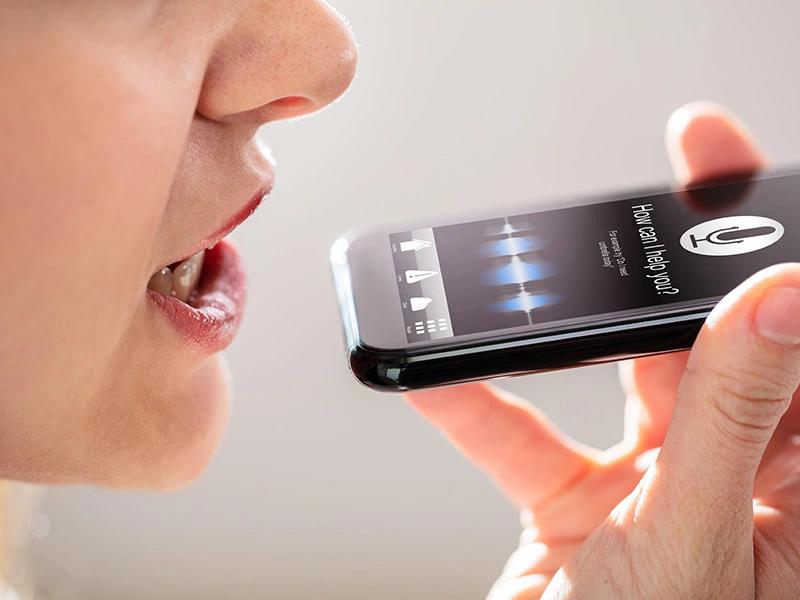
Voice search optimization is a monumental shift that is reshaping the pillars of digital marketing. As 52% of consumers worldwide are using voice assistants on a daily basis (PwC). The traditional text based SEO optimization strategies are quickly becoming outdated. This revolution requires a radical reconsideration of the way in which we organize content, optimize keywords and quantify engagement. SEO Voice search is less focused on strict keyword matching and more focused on conversational queries, featured snippets, and hyperlocal intent. With the spread of smart gadgets and mobile assistants, the companies that fail to optimizing for voice search will lose 43% of organic traffic by 2025. This guide explains in detail about the Voice First future and offers practical guidelines to beat this fast changing space and still retain core search visibility.
Voice search and SEO integration have the disruptive power that influence behavioral changes: Most of the users around the globe use voice search because it is faster. In contrast to text searches, SEO and voice search needs to be optimized to the natural language patterns, the use of questions in the search engines, and contextual interpretation. The 2023 algorithm updates of Google are specifically oriented to prioritize voice optimized content by improving NLP functionality. Effective voice search marketing fills the algorithmic gap with human based inputs, and it attracts high intent searches with the phrase near me, which convert 3X faster than text-based searches. We will discuss future proofing your strategy in this paradigm.
Voice search engine optimization is technically a combination of three pillars:
The failure to optimize for SEO for voice search threatens organic visibility:
55% of households will have smart speakers by 2025 (OC&C), and SEO voice search will get 40% of local searches (Google).
Businesses that fail to incorporate voice search and SEO will experience a 60% drop in CTR when voice responses are used instead of conventional snippets. VSO reaches both ends of the generational divide and taps into high-value audiences: 62% of 25-34-year-olds use voice search at least once per week (UpCity).
To learn how to optimize for voice search, one should start with the principles of digital marketing by targeting conversational keywords. Find phrases with questions with AnswerThePublic or Question Explorer by Moz. In the case of SEO for voice search, long tail variations such as voice search optimization steps for beginners with in depth guides should be targeted. Organize the information in the form of the Inverted Pyramid, beginning with the direct answers and then elaborating on them. Most importantly, apply the FAQ schema to boost featured snippet eligibility since half of voice responses are based on position zero.
Four pillars are needed in technical execution:
In the case of local businesses, voice search optimization requires the optimization of Google Business Profile with conversational keywords in the Q&A sections. Automate technical VSO by using tools such as PageSpeed Insights and Schema App. Note: Voice algorithms are all about conciseness; keep verbal answers to less than 29 seconds.
Technical requirements are:
In the case of “Google voice search SEO”, use the guidelines provided by Google themselves through their Natural Language API documentation. Snippet optimization is still important target paragraph, lists, and table ranks. Forbes states that brands that integrate these strategies experience 4.3 times voice voice-driven traffic.
SEO for voice search requires infrastructure level optimization. Begin with speed: reach the 300ms voice ready mark of Google with:
Code in <dialog> HTML tags and appropriate heading (H2/H3 formulation of questions). Use schema.org vocabulary:
More importantly, voice search SEO must be validated through Google Search Console mobile first indexing. To simulate the sound of content read aloud, test with the Google Voice Test Tool.
Three important technical priorities:
To be compatible with the “SEO voice search”, make sure that the uptime is 99.9% as voice assistants abandon sites with latency greater than 500ms. Optimizations are done automatically with tools such as Schema Markup Validator and Alexa SEO Checker. Forbes notes that speakable schema pages receive 4.7 more voice responses. Note: Voice algorithms interpret content differently, focus on short paragraphs, and do not use complicated tables.
The future of voice search and SEO is based on the integration of AI. The MUM algorithm used by Google can handle voice queries 1,000 times more contextually than BERT, and it needs content that will answer follow up questions. In 2025, 75% of voice searches will be multi turn conversations. Prepare through:
Brands have to create voice personas that reflect the tone of their verbal responses. New voice search optimization horizons are:
According to Forbes, one should invest in voice SEO analytics such as:
With the spread of zero UI interfaces, voice search marketing will need sonic branding audio logos that voice assistants will be able to recognize. Begin testing Conversational Actions with Google now.
Voice queries are conversational, 30% longer words and question-based (70% start with Who/What/Where). Voice search engine optimization, as opposed to text searches, needs natural language optimization of full sentence queries, local intent targeting, and the provision of immediate answers. Ranking in position zero is not negotiable.

There is platform fragmentation: Google Assistant focuses on web responses, Alexa relies on Bing and custom skills, whereas Siri combines web and app responses. Voice search optimization needs to be tested on a platform. It is best to always check performance on iOS, Android, smart speakers, and automotive systems individually.
Local services (restaurants, clinics, retailers) benefit the most from SEO for voice search near me. The voice commerce brands and Q&A-driven industry are disproportionately benefiting as well. B2C is leading B2B now, but the use of enterprise voice is gaining momentum.
Update voice optimized materials every three months. The FAQ schema should be updated once a month, and real-time data prices and inventory once a week. Audio rerecord every two months. The voice algorithms of Google prefer freshness pages that have been updated within 90 days get 60% more voice responses (SEMrush).
Voice search optimization is no longer a bonus, it is the key to the contemporary SEO strategy. As we have discussed, to win, it is important to balance the conversational content, technical accuracy, and adaptations to the platform. Whether it is the implementation of speakable schema to Google Voice SEO or the creation of voice commerce funnels, all the optimizations have to be weighed between the algorithmic needs and the human conversational trends. Keep in mind: Voice supremacy will be even faster when Gen Z becomes voice first and AI assistants become more sophisticated, from social media to blog posts. Begin by auditing current content to make it voice ready, focusing on high impact near me optimizations, and developing a scalable voice content strategy. Brands that will spearhead this change will not only be ranked higher, but they will be the most trusted voice of their customers.