Explore key factors for hyperlocal social media marketing. Get to know how to improve effectiveness.
What if your marketing efforts could reach only those people who are most likely to buy from you—right in your neighborhood? Welcome to the world of hyperlocal social media marketing, a powerful strategy that targets specific communities, turning ordinary social media platforms into a high-impact, localized tool. Hyperlocal social marketing leverages your community’s pulse to create content that speaks directly to them, maximizing relevance and resulting in customer action.
As per recent reports from HubSpot, hyperlocal marketing has witnessed a surge in effectiveness, with businesses seeing up to a 60% increase in engagement and conversion rates when they target hyperlocal areas through social media platforms.
In its simplest form, hyperlocal social media marketing is a strategy that uses digital platforms to reach people in very specific, geographically narrow areas. Unlike traditional digital marketing, which targets a broad audience, hyperlocal digital marketing focuses on individuals within a defined, often small, location, like a neighborhood, town, or even a city block. The aim is to create content that is customized to the local culture, needs, and preferences, resulting in higher engagement by resonating on a more personal level with the audience.
To effectively implement hyperlocal social media marketing, businesses must adopt targeted marketing strategies that resonate with local communities. These strategies include using location-based tools, targeting niche audiences through hyperlocal targeting, and aligning content with local events, culture, and trends.
One of the best ways to gain traction with hyperlocal social media is to focus on delivering real value. By creating content that addresses local needs, such as offering community-specific deals or supporting neighborhood events, businesses can build stronger relationships with customers and earn their trust.
The first step in creating an effective hyperlocal marketing strategy is identifying your target location and audience. Once this is done, leverage social media platforms such as Facebook, Instagram, and Twitter to share locally relevant content. Your strategy should also integrate local advertising options, such as geo-targeted ads, to make sure that there is maximum visibility within the chosen area.
One of the main components of hyperlocal social media marketing is hyperlocal targeting. This involves identifying and targeting individuals based on their geographic location, interests, and behaviors within that area. By narrowing down your audience to a specific locality, you make sure that your marketing efforts speak directly to those who are most likely to engage with your brand.
With the help of location-based features offered by most social media platforms, businesses can deliver ads and content to users who live in or frequently visit specific neighborhoods. This method increases the likelihood of converting impressions into real-world action, such as store visits or product purchases, by reaching people in the right place at the right time.
Customizing your content to fit the specific interests, culture, and demographics of a local area is vital in hyperlocal digital marketing. A hyperlocal marketing strategy should always include locally relevant images, language, and offers that resonate with the community.
For instance, you could create special promotions for local social media followers, highlight a local cause or event, or even feature customer testimonials from people in the same area. This approach not only captures the attention of local consumers but also builds a sense of community around your brand.
Another essential element of hyperlocal social media marketing is working with local influencers. These individuals have established credibility and a loyal following in a specific area, making them powerful allies in promoting your brand to a local audience.
Collaborating with influencers on Instagram or TikTok who have a genuine connection to the local community can amplify your message, making it feel more authentic and trustworthy. Whether through sponsored posts or influencer-hosted events, their endorsement can significantly increase brand visibility within a localized area.
Incorporating local social media tags into your posts is another way to engage with your community. Using location-based hashtags, such as YourCityEats or LocalBusiness, will help increase your content’s visibility among local consumers who may not otherwise have discovered your brand.
These tags make your posts discoverable to individuals who are specifically searching for or interacting with content relevant to their area, resulting in higher engagement and improving the chances of local customers finding your business online.
Supporting other local social media businesses is a powerful way to build stronger relationships within your community. Engage in collaborative efforts, such as co-hosting events, promoting local products, or cross-marketing with neighboring businesses. This approach strengthens community ties and demonstrates your commitment to supporting local entrepreneurs.
By showing your dedication to local businesses, you can not only increase your credibility but also inspire others to support your brand in return, creating a cycle of mutual benefit and engagement.
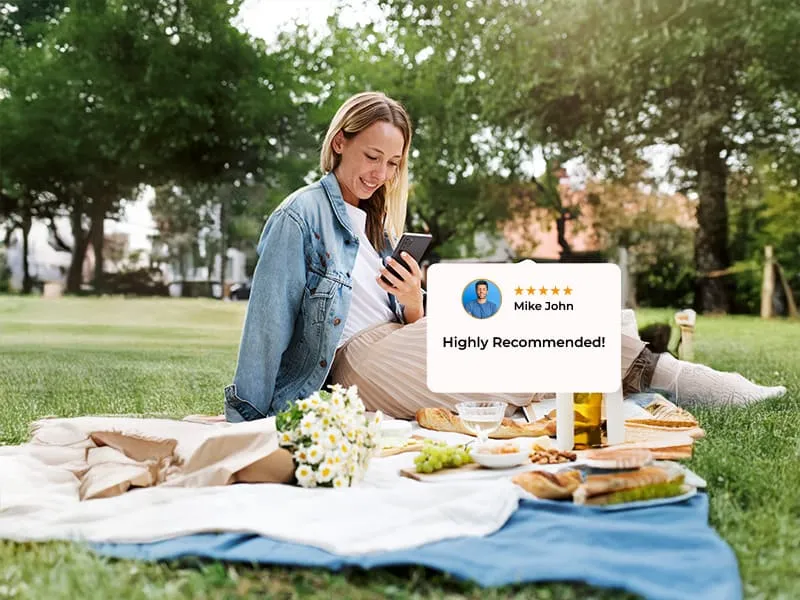
User-generated content (UGC) is a powerful tool in hyperlocal marketing strategies. Encouraging customers to share their experiences, reviews, and photos on social media not only increases your brand’s visibility but also creates a sense of community among your followers. Local customers are more likely to trust and engage with content that comes from their peers.
By running social media contests, asking for feedback, or simply encouraging customers to tag your business in their posts, you can collect valuable content that reflects real-world experiences and resonates with your local audience.
Soliciting local social media feedback is essential in understanding what your customers want and how they perceive your brand. By regularly engaging with your audience through polls, comments, and reviews, you gather insights into their preferences, helping you refine your hyperlocal marketing strategy.
This feedback loop not only enhances customer satisfaction but also allows you to continuously customize your content to meet the evolving needs of your community.
As technology continues to evolve, hyperlocal social media marketing will become even more powerful. With advancements in artificial intelligence and machine learning, businesses will be able to predict consumer behavior more accurately and create hyper-personalized marketing campaigns.
Moreover, as mobile usage continues to rise, consumers will increasingly rely on location-based services and social media to discover businesses near them. This shift will bring even greater demand for localized digital marketing strategies, further cementing the importance of hyperlocal digital marketing.
Hyperlocal social media marketing focuses on targeting a specific, geographically defined audience, whereas traditional marketing casts a broader net. It makes sure that content resonates more deeply with local customers, resulting in higher engagement and conversions.

By analyzing demographic data and location-based behaviors, businesses can identify individuals within a specific geographic area who are most likely to be interested in their products or services.
Encouraging your local customers to share their experiences on social media can increase your visibility and authenticity. Running campaigns or contests can motivate them to create content that showcases your brand in a local context.
Local influencers have established credibility within a specific community, making their endorsements powerful. Their connections can amplify your message and build trust with local audiences.
Conclusion