
Top 10 SEM/PPC Strategies for Better ROI in 2026
You open Google Ads on a Monday morning and see the usual numbers: clicks up, spend up, conversions flat. The budget is gone. The leads never came.
And somewhere in the back of your mind, you’re wondering if paid search is just broken for businesses like yours. It is not broken. The way most people run it is. The strategies in this guide will show you exactly what to change, and why those changes translate directly into more revenue from every dollar you spend using smart PPC strategies.
Table of Contents
Why PPC Strategies Matter More in 2026 Than Ever Before
Pay per click advertising is simple at its core. You pay platforms like Google, Meta etc. to show your ad when searching for a relevant term, and you can pay only when they click.
That simplicity often is deceptive. Because clicks and conversion are the real MOAT in advertising. According to reports, more money is flowing into paid search than ever before, and competition for every keyword is more expensive and more brutal than it was even 18 months ago.
For small businesses, good PPC strategies can either make a budget compound into leads or make a budget that evaporates by Thursday.
They also need to track performance using clear KPIs for small business to understand what is actually driving ROI.
For eCommerce specifically, PPC is the main force that drives qualified purchase-intent traffic and is a lot faster than SEO(Search Engine Optimization) or SMM(Social media marketing).
2026 will be about AI-driven bidding, behavioral personalization, and shrinking advertiser visibility into platform decisions. With ChatGPT launching ad placements in February 2026. Google’s AI Mode now showing ads in 25.5% of AI search results.
The platforms have changed. The strategies need to match modern PPC marketing strategies and evolving pay per click strategies.
Businesses who are using modern PPC marketing strategies see stronger targeting precision and higher conversion rates across different paid channels.
Top 10 PPC Strategies for Better ROI
Strategy 1: Audience Targeting and Segmentation
Most PPC spend goes to waste when the right ad is shown to the wrong person. Also, with advanced audience targeting options in 2026, you’re not limited to setting an age range and a location anymore.
Google and Meta Ads now both support AI-driven behavioral targeting that focuses on intent signals from browsing history, purchase patterns, device usage, and time-of-day behavior to understand who will likely convert on your offer.

This is different than the broad interest targeting that dominated ad campaigns 5 years ago. The platforms are making decisions granularly that no human can replicate, which means your job is to feed the system the right signals, not to second-guess every audience parameter.
For small businesses, start off by segmenting your audience by stage of awareness rather than just demographic profile. Someone who visited your product page three times last is different audience than someone searching your category keyword first time.
Treating them in the same way means you’re writing ad copy that satisfies neither and converting no client. On the other hand, splitting these segment into separate ad groups, with fine tuned messaging that talks to the selected group where they sit in the decision process, consistently improves CTR and reduces wasted spend.
For eCommerce, behavioral segmentation by past purchase behavior is one of the highest-leverage moves available. These audience-focused methods are now central to PPC best practices and modern PPC tactics.
Advertisers who are learning how to optimize PPC campaigns often start off with behavioral segmentation as it improves targeting accuracy while strengthening PPC campaign strategy execution.
Business learning how to optimize PPC campaigns should focus and test audience intent signals and landing page relevance.
Strategy 2: Smart Bidding and Automation
Smart bidding in 2026 works great if given the right conditions and fail silently if given wrong conditions. Google’s machine learning algorithms need a minimum of 30 to 50 conversions per campaign per month before they have enough signal to optimize effectively.
Below that threshold, the algorithm is not learning from your data; it is filling gaps with assumptions. And those assumptions will not align with your business goals.
That said, when the data conditions are right, the performance uplift is real. Automated bid adjustments via Target CPA and Target ROAS strategies remove the need to manually adjust bids by device, time, location, and audience segment simultaneously.
Smart Bidding plus offline conversion imports can significantly raise measured ROAS compared to last-click attribution alone. Many brands look after PPC advertising tips that are focused on automation and audience intent to get better ROAS faster.
Businesses who are implementing advanced PPC strategies are going towards are increasingly relying on automation to scale campaigns efficiently. Enterprise advertisers continue investing heavily in advanced PPC strategies powered by AI automation.
The practical PPC advertising tips here are to set your conversion actions correctly before touching your bid strategy. If you optimize for basic form fills or newsletter sign up conversions, the AI will scale volume on exactly those metrics without improving what actually matters: revenue.
This automation-first mindset is becoming part of every successful pay per click marketing strategy and enterprise-level PPC strategies.
Strategy 3: Ad Copy Optimization
Strong ad copy is less about clever wordplay and more about alignment. The headline your potential customer reads must have the same intent behind the search keyword they used.
The landing page must deliver what the headline promised. When that chain breaks at any part of the funnel, the click spend goes to waste regardless of how good the bidding strategy is.
You can input up to 15 headlines and 4 descriptions in Google’s Responsive Search Ads format. It will rotate combinations to find what performs. Here’s where most advertisers go wrong: they treat this as a content dump and enter 15 generic variations.
A better approach is to write headlines that tell what the user cares the most about: price, speed, outcome, credibility or specificity.
The best PPC examples show that clear value propositions outperform generic messaging. Many successful PPC examples show that personalized messaging significantly improves conversion rates.
You can use numbers and specific outcomes where possible because specificity outperforms vague claims in both CTR and conversion. AI copy tools can now generate headline variations faster than any copywriter can.
Still, experienced marketers know that human editorial judgment matters. This balance between automation and oversight defines today’s PPC marketing strategies and emerging advanced PPC strategies.
A/B testing remains one of the top methods for brands learning how to optimize PPC campaigns effectively.
A successful pay per click marketing strategy combines automation with human creative oversight to improve campaign performance consistently
Strategy 4: Landing Page Experience
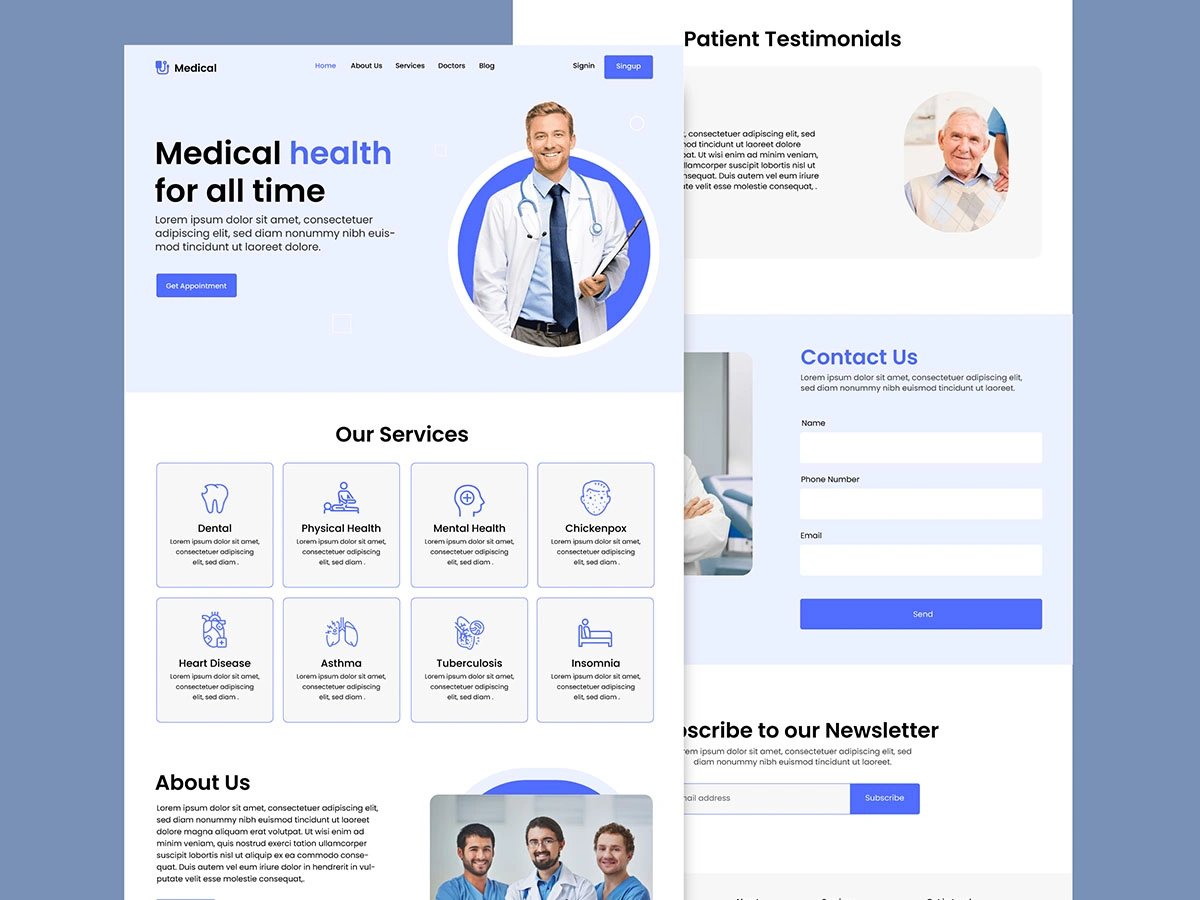
The most expensive mistake in PPC is treating the landing page as someone else’s problem. Your Quality Score in Google Ads is partly determined by landing page experience, and a page with poor Core Web Vitals can cost you more per click than a competitor bidding on the same keyword.
Pages that load faster convert better than pages loading in 4 seconds. On mobile, which now accounts for 65% of landing page traffic, the stakes are even higher because mobile users abandon slow pages faster.
Mobile-first design is not a trend anymore. It is the basic requirement to rank in 2026. Ensure every landing page tied to your PPC strategies is tested on a real mobile device before ad spend begins.
Personalized landing pages where the headline dynamically matches search intent continue to rank among the best PPC best practices for conversion improvement. Following updated PPC best practices helps advertisers maintain long-term profitability as competition increases.
Tools like Unbounce and Instapage support dynamic text replacement by swapping headline copy based on the search term that brought the click. These optimization methods are commonly featured in successful PPC examples and scalable PPC strategy template systems. A scalable PPC strategy template enables teams to scale performance campaign structures that have already shown good results.
Strategy 5: Remarketing and Retargeting
Most visitors who click your ad will not convert on the first visit. That is normal behavior, not a failure of your campaign. The failure is in not having a structured plan to re-engage them.
Remarketing campaigns consistently give better outcomes than cold traffic campaigns in both conversion rate and cost efficiency because in that you are reaching people who have already shown interest in what you offer.
To make the most of retargeting, segment your audience by what they actually did on your website. Dynamic product ads on Facebook and Google automatically show visitors the products they viewed, with real-time pricing and availability.
These retargeting systems are now core PPC tactics used in modern PPC campaign strategy planning. Businesses applying PPC advertising tips around audience frequency caps often reduce ad fatigue significantly. One of the most effective PPC advertising tips is to align ad copy closely with user search intent.
Retargeting is also one of the strongest pay per click strategies for recovering abandoned carts and boosting ROI.
Strategy 6: Keyword Research and Negative Keywords
Strong keyword intent alignment improves PPC search engine advertising positioning and increases click-through rates.
But keyword strategy in 2026 needs to focus more on intent precision and less on search volume obsession. Long-tail search queries carry higher conversion intent, and CPCs are typically lower because fewer advertisers compete for them.
Tools like Ahrefs remain a primary choice for keyword research because they show not just volume data but also ranking pages and intent signals. AI-powered clustering now helps advertisers organize campaigns around buyer behavior.
Negative keywords are where most small business campaigns have immediate recovery potential. Strong negative keyword hygiene can cut CPA significantly while improving conversion quality.
An eCommerce store selling premium leather wallets, for example, should exclude irrelevant terms like “free,” “DIY,” or “cheap.” Every irrelevant click is money wasted.
Advertisers searching for how to optimize PPC campaigns should prioritize negative keyword audits because they directly impact ROI and support stronger PPC search engine advertising positioning. Better PPC search engine advertising positioning often leads to stronger visibility and lower acquisition costs.
These keyword-focused adjustments are also part of proven PPC best practices and real-world PPC examples.
Strategy 7: Cross-Platform Campaigns
Relying exclusively on Google Search for your PPC campaign strategy in 2026 means leaving revenue on the table. The buyer journey rarely starts and ends on one platform.
A customer may search on Google, see your retargeting ad on Instagram, engage with LinkedIn content, and finally convert through a Google Shopping ad. Campaigns that touch only one of those moments remain invisible through most of the buying process.

Microsoft Advertising deserves serious budget allocation because CPCs are lower while delivering comparable conversion rates. TikTok and LinkedIn also continue to grow in importance for niche targeting.
Integrated dashboards through GA4 or HubSpot help advertisers see cross-channel attribution clearly. Large enterprise campaigns increasingly depend on advanced PPC strategies to manage performance across multiple advertising platforms. These integrated methods are now foundational PPC strategies used by enterprise marketers.
Cross-platform execution is also among the most effective advanced PPC strategies for brands seeking scalable growth and stronger PPC search engine advertising positioning.
Strategy 8: Ad Extensions and Rich Media
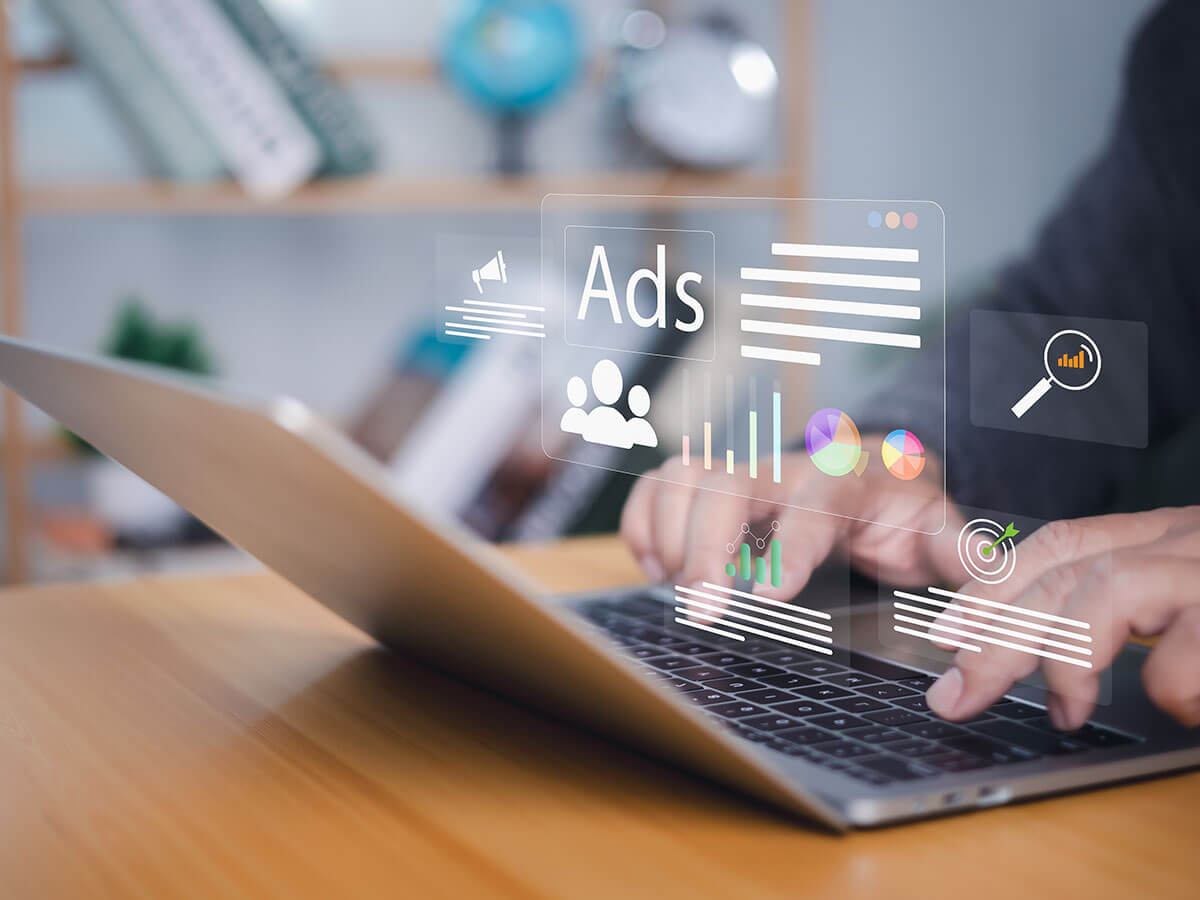
Ad extensions are one of the most underused performance levers in Google Ads because they cost nothing to add and directly improve Quality Score and CTR.
Sitelink extensions provide multiple pathways into your website. Call extensions improve mobile conversions for service businesses. Price extensions pre-qualify clicks by setting expectations before users land on your page.
Video ads across YouTube and Display continue to drive stronger engagement than image-only creatives. Short-form videos with captions perform especially well because they communicate value quickly.
These enhancements are now common in high-performing PPC examples and modern pay per click marketing strategy execution. Businesses implementing multimedia campaigns often follow updated PPC advertising tips to maximize engagement.
Rich media also strengthens overall PPC search engine advertising positioning by improving visibility and interaction rates.
Strategy 9: Analytics and Conversion Tracking
Running PPC campaigns without clean conversion tracking is the equivalent of driving with your eyes closed. Campaigns may technically track conversions while still measuring the wrong actions.
UTM parameters allow Google Analytics 4 to attribute traffic correctly by source, campaign, and keyword. Without them, attribution analysis becomes unreliable.
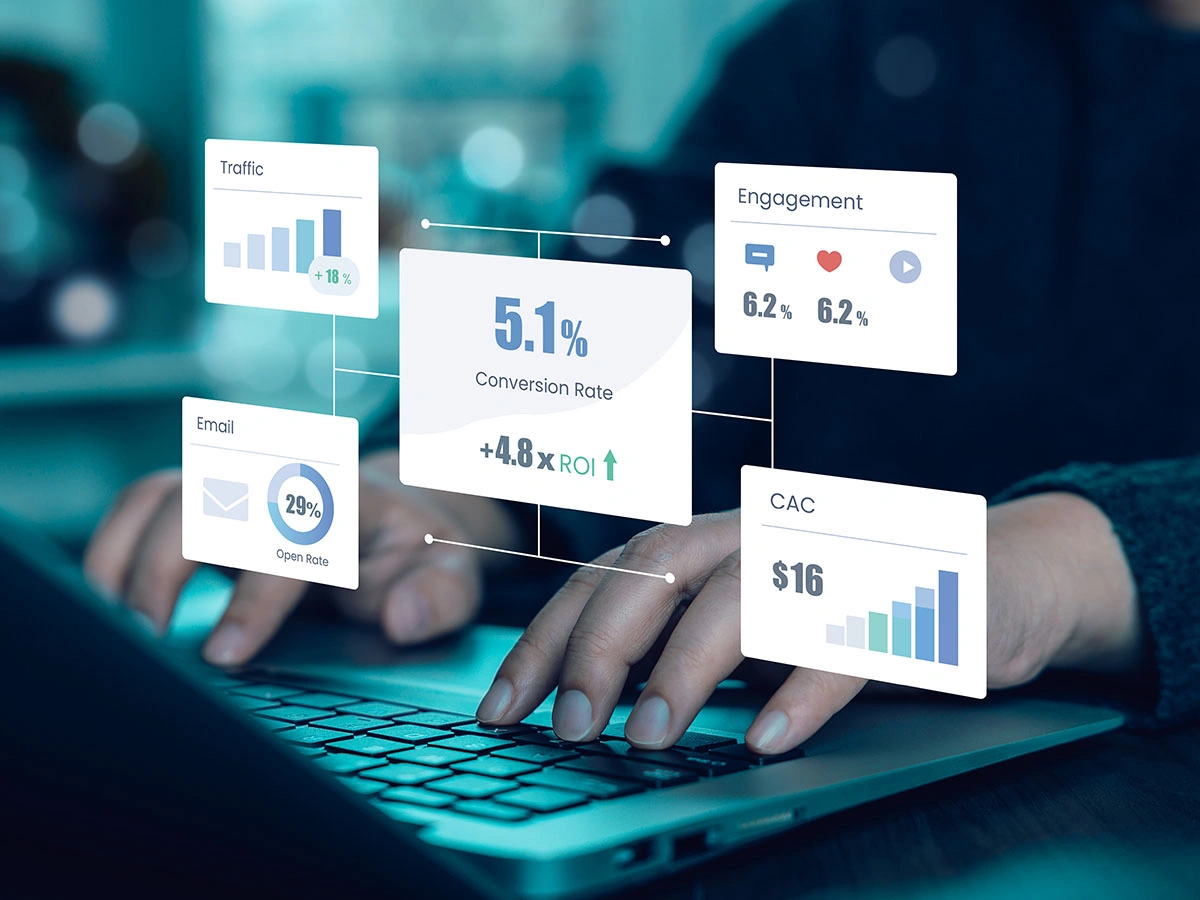
Attribution modeling has matured significantly in 2026. Data-driven attribution distributes conversion credit across all touchpoints instead of assigning everything to the final click.
Switching attribution models consistently changes budget allocation decisions and improves revenue outcomes. Businesses refining their PPC strategy often discover that analytics errors are limiting growth opportunities.
Accurate tracking is central to PPC best practices, scalable PPC strategy template planning, and learning how to optimize PPC campaigns effectively.
Strategy 10: Testing and Continuous Optimization
The campaigns that outperform industry benchmarks in 2026 share one common characteristic: they test systematically and iterate fast. PPC is not a setup-and-forget channel.
Platform behavior changes, competitor bids shift, seasonal patterns evolve, and audience fatigue develops over time. Accounts that maintain strong performance treat optimization as an ongoing discipline.
Structured A/B testing through Google Ads Experiments allows marketers to test ad copy, landing pages, audience segments, and bidding models individually. A detailed PPC strategy template helps marketing teams standardize testing workflows and campaign reporting
The most reliable variables worth testing first are headline framing, CTA wording, and landing page form length. Staying current with new platform features also creates a competitive advantage.
Modern advertisers increasingly use PPC strategy template systems to document testing procedures and support scalable PPC tactics. Continuous optimization is now one of the defining pay per click strategies for sustainable growth.
Businesses investing in advanced PPC strategies consistently outperform competitors that rely on outdated campaign structures. Every profitable PPC campaign strategy should include ongoing testing and optimization cycles.
FAQs: PPC Strategies
Search your target keywords and screenshot which ads appear consistently. Use tools like SpyFu or Semrush to see competitor ad history, spend estimates, and top-performing copy. Study their headlines, offers, and landing pages. What they keep running is what is working for them.
Semrush is the most comprehensive option, covering keyword gaps, competitor ad copy, spend estimates, and traffic data in one platform. Google Ads' Auction Insights shows direct competitors in your campaigns. SpyFu is the best budget alternative for historical ad data and competitor keyword tracking.
High-intent, specific keywords convert best. Terms that include "buy," "near me," "pricing," "best," or a specific service type signal purchase intent. Long-tail keywords with lower competition and higher specificity consistently deliver lower cost-per-click and higher conversion rates than broad, high-volume terms.
Negative keywords block your ads from appearing on irrelevant searches, stopping wasted clicks before they drain your budget. Adding negatives like "free," "DIY," or competitor brand names removes unqualified traffic. Strong negative keyword hygiene cuts cost-per-acquisition by 15 to 18% and improves overall campaign efficiency immediately.
A dedicated landing page removes distractions and matches the exact promise made in the ad, which improves Quality Score and lowers cost-per-click. Pages loading under 1.5 seconds convert 2.4 times better than slow pages. One focused offer, one CTA, and message-matched copy turn paid clicks into actual revenue.
Start Implementing Now
The gap between a PPC campaign that drains budget and one that compounds ROI is not a mystery. It is a series of specific, correctable decisions: who you target, how the algorithm bids, what the ad says, where it lands, how you re-engage users, and how closely you measure all of it. If you want professional digital marketing services to turn your ideas into success contact the team at IT Verticals.
ITVerticals Services

Website Design Cost: A Complete Guide to Website Pricing and Development
Adam Romy
September 10, 2026
Best Affiliate Marketing Platforms to Grow Your Business
Adam Romy
September 8, 2026
Social Media Marketing Cost: Pricing and Packages
Adam Romy
September 3, 2026

10 Best Private Search Engines for Secure Searching
Adam Romy
September 1, 2026
Digital Marketing Strategy: A Complete Guide to Online Growth
Adam Romy
September 15, 2026
Website Design Cost: A Complete Guide to Website Pricing and Development
Adam Romy
September 10, 2026
Best Affiliate Marketing Platforms to Grow Your Business
Adam Romy
September 8, 2026
Social Media Marketing Cost: Pricing and Packages
Adam Romy
September 3, 2026
10 Best Private Search Engines for Secure Searching
Adam Romy
September 1, 2026
Revision History
No revision history available.
Author

Adam Romy
Technology Content Author
Adam Romy is an author at IT Verticals, contributing to content covering technology and digital business topics. His work focuses on presenting information clearly and accurately for business readers. He helps make complex subjects easier to understand and apply.
Fact Checker

Samantha Leonie
Author & Fact Checker/Validator
Content Quality & Fact-Checking Specialist
Samantha Leonie is a fact-checker at IT Verticals, reviewing content for accuracy, clarity, and consistency before publication. She helps maintain the quality and reliability of published information.