
Animation Ideas for Beginners
Surround yourself with highly artistic and visionary animation ideas. Learn how different levels of animation ideas can boost your business’s success.
Animation is a dynamic field of imagination. It sparks creativity and allows you to bring your artistic ideas to life. And even simple animation ideas can help you generate revenue.
As per research on ResearchGate and LinkedIn, marketing through animation can increase conversion rates by up to 80%. This is because it is one of the most engaging ways to communicate your complex ideas and emotions. For beginners, the journey of animating can be quite overwhelming, but small animation ideas can open the door to endless creative possibilities.
Read the entire blog to explore various animation ideas for beginners, from easy animation ideas like 2D animation to more advanced concepts like 3D animation, providing practical guidance on how to start creating animations that captivate and engage.
Let’s break down the steps for animating effectively, making sure that your journey into the world of animation is both exciting and productive.
If you need assistance in 2D animation or 3D animation, We’ll help you with your journey. Partner with Us!
IT VERTICALS is a trusted Animation and Graphic Design agency, customizing strategies to help your business optimize campaigns and increase conversion rates.
Table of Contents
Animation Ideas, Where to Start?
It may seem to be a challenging task when starting from scratch. But animation ideas for beginners can be simple and enjoyable. Not rushing into complex concepts right from the start is the key to success. Rather, you should focus on developing primary skills first through easy, short animation ideas. These will help you understand the basics before moving on to more advanced techniques.
To get started with your animation journey, follow these simple steps:
- Choose Your Animation Style: Select between 2D animation, 3D animation, or stop-motion based on your comfort level and resources available. All of these require some basic concepts to be learnt before going hands-on. Each style has its unique challenges, so understanding the basics of each will help you choose the best fit for yourself.
- Storyboarding: Sketch a rough idea of what you want to animate. A storyboard will help you visualize the flow. It acts as a blueprint, making sure you have a clear direction before diving into the detailed work.
- Pick Simple Objects to Animate: Do not overcomplicate things. Start with basic shapes, animals, or simple objects. This will allow you to focus on mastering the animation process without getting overwhelmed by complex designs.
- Segment Your Animation: Break down your animation into small scenes. This makes it easier to manage and improve your work. By working in smaller segments, you can maintain focus and make sure that each segment flows smoothly into the next.
- Experiment and Refine: After completing your first animation, take time to review and improve. Revisions are key in developing animation skills. Experimenting with different techniques and refining your work will help you learn and grow as an animator.
Animation Basics: Easy Exercises for First-Time Creators
When you are just beginning to learn animation, you should focus on practicing easy animation ideas that do not overwhelm you, and seem frustrating. Simple movements, such as animating basic shapes like circles, squares, and lines, will help you understand the core principles of animation like timing, spacing, and prediction. With time, you can move on to animating more complex objects or even creating cartoon or anime characters. But always remember to stick to simple exercises that build your muscle memory. These initial efforts will teach you crucial techniques used in animation.
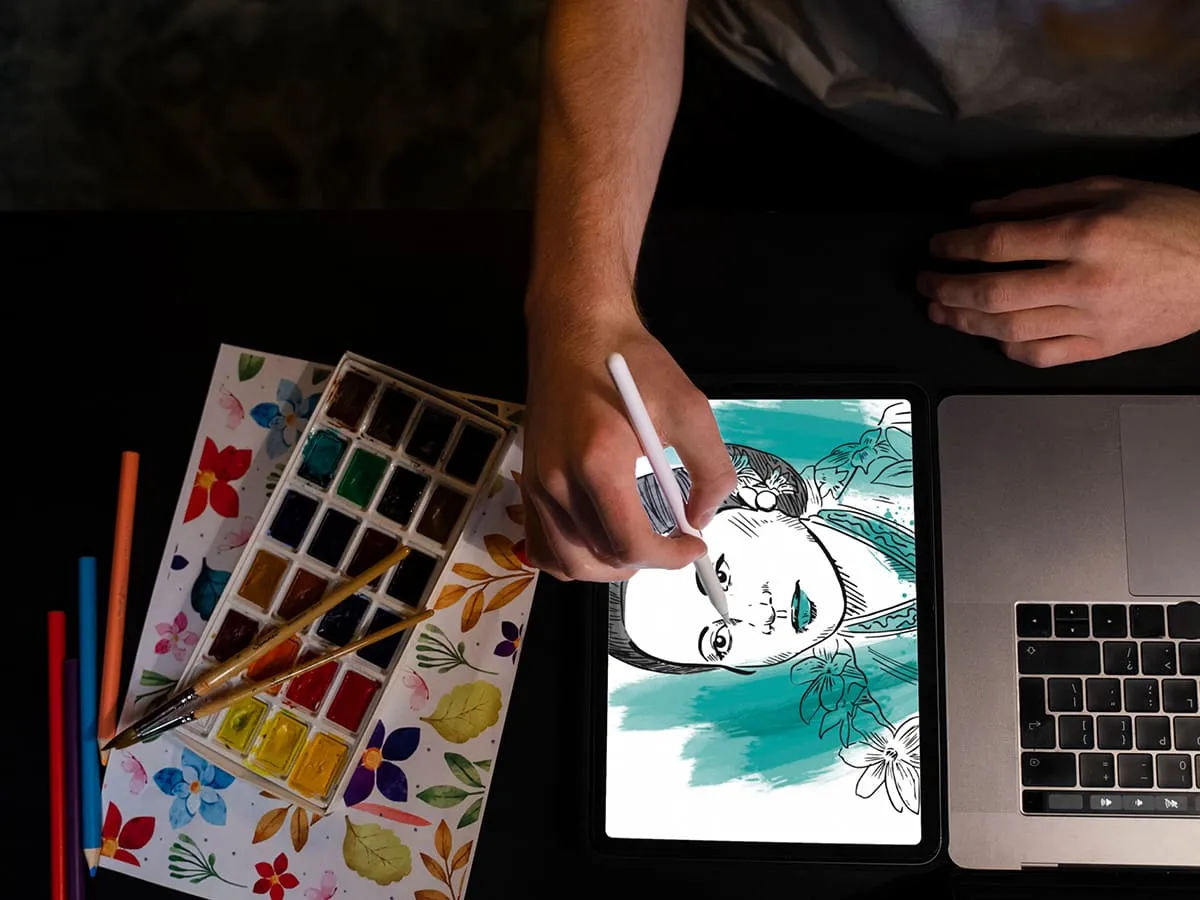
Step Into Animation: Easy Ideas for Beginners Level 1
For beginners, easy animation can involve animating simple elements and learning how they move. At this level, you can practice basic motions, such as bouncing balls, character walking cycles, or even small animation ideas that demonstrate gravity and weight. These basic exercises will help you grasp the fundamental animation principles.
2D Animation Ideas
2D animation is a great starting point for beginners. With the right mindset, you can transform simple ideas into fascinating visuals. Here are some 2D animation ideas to help you get started:
- Character Walking Cycle: Animate a basic character walking from one side to another to practice fluid movement. This will help you understand timing and smooth transitions in character animation.
- Flipping Page: Create an animation where a page turns or an object flips to develop timing and rotation concepts. It is a great way to explore object transformations and rotations.
- Balloon Rising: Animate a balloon floating upward with a simple drag effect, which helps with understanding the principles of acceleration and deceleration in motion.
- Simple Objects in Motion: A cup or a pencil moving across the screen can be an easy yet effective exercise to master. It helps build your understanding of object movement and timing.
- Bouncing Ball: A simple yet effective way to understand timing, gravity, and motion. This exercise is crucial for mastering the fundamentals of animation physics.
- Jumping Character: Animate a basic character jumping to grasp concepts like prediction/anticipation, follow-through, and gravity. It will help you refine your understanding of movement arcs.
- Object Stretch and Squash: Take a simple object and make it stretch and squash to demonstrate the principles of elasticity. This adds weight and flexibility to your animations.
These simple exercises will make you comfortable with basic 2D animation principles and prepare you for more complex work.

Building Skills in Animation: Level 2 Ideas for Beginners
Once you have learned the basics, it is time to challenge yourself with slightly more advanced animations. At Level 2, you can move on to short animation ideas that involve more character interaction, background elements, and basic storytelling.
1 Minute Animation Ideas
One great way to experiment and challenge yourself is by creating 1-minute animation ideas. These animations allow you to tell a concise story or convey a message without being overwhelmed by the time constraints. Some cool animation ideas for your first minute include:
- A Day in the Life of an Object: Animate an object like a coffee cup or book going through a day in its life. This allows you to explore different motions and interactions in a short period.
- Simple Storytelling: Create a short animation about a character’s journey from start to finish, such as walking to the store or going to bed. This is a great way to practice pacing and character development in a limited timeframe.
- Animation with Music or Sound Effects: Combine simple animation with sound effects to create a cohesive experience that enhances visual storytelling. The right sound can elevate the animation and make it more immersive.
- Basic Action Sequences: A short chase or a character running can introduce more dynamic motion. It is a great exercise for understanding speed, timing, and how to convey action in a short amount of time.
- Object Transformation: Animate an object changing into something else, like a pencil turning into a rocket. This can help you understand transitions and creative transformations.
- Character Interaction: Create a scene where two characters interact briefly, like shaking hands or having a short conversation. This helps practice character movements and expressions in a limited time.
These 1-minute animation ideas help refine timing, sequence, and the overall flow of animation, all of which are essential for building your skills.
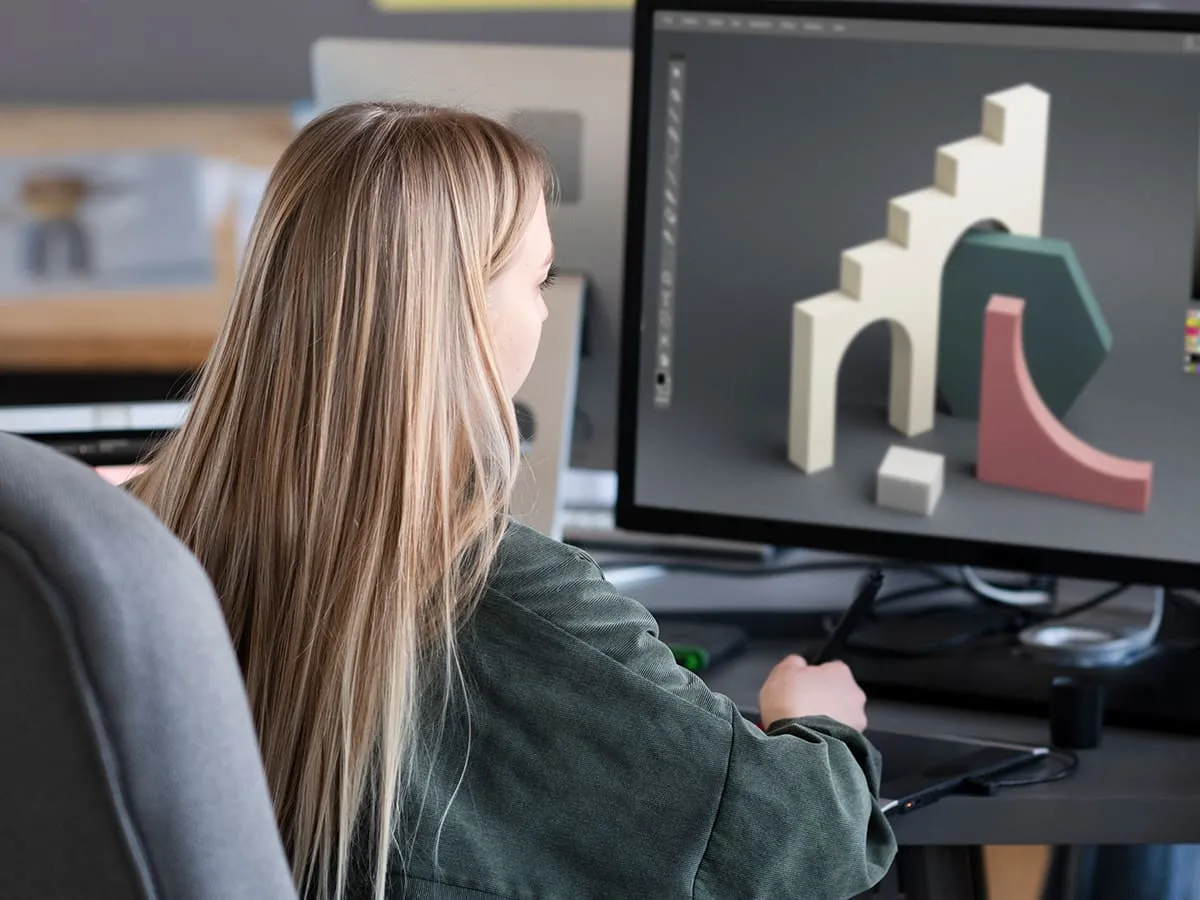
Level 3 Animation Concepts: Building on the Basics
Now that you have mastered the basics, it is time to experiment with 3D animation ideas. Moving from 2D animation to 3D animation requires a shift in perspective and understanding how objects exist in 3D space. Creating 3D animation ideas at this stage will help you learn spatial relationships, depth, and realistic motion.
3D Animation Ideas
If you are starting out in 3D animation, you do not need to jump right into complex models or scenes. Begin with the basics:
- Bouncing Ball in 3D: Animate a sphere bouncing, but this time, consider the depth and perspective that 2D cannot capture.
- Basic Shape Manipulation: Start with simple 3D shapes such as cubes or spheres, manipulating them by rotating, scaling, and moving them around.
- Character Movement in 3D Space: Try animating a simple 3D character moving through a room, paying attention to lighting and camera angles.
- Camera Movement: Animate the movement of the camera itself, exploring how it interacts with the objects in a 3D space.
- 3D Object Transformation: Animate a 3D object changing form, such as a cube turning into a sphere.
- Pendulum Swing (3D): Create a 3D pendulum swinging back and forth to practice timing, arcs, and easing in and out. This will teach you how to handle 3D object movement, including weight and inertia.
- Simple Logo Animation (3D): Take a 3D logo or text and animate it, whether it is spinning, floating, or transforming to practice timing, motion principles, and lighting effects.
These 3D animation ideas will allow you to step into the world of 3D movement while practicing essential skills for 3D animation ideas.
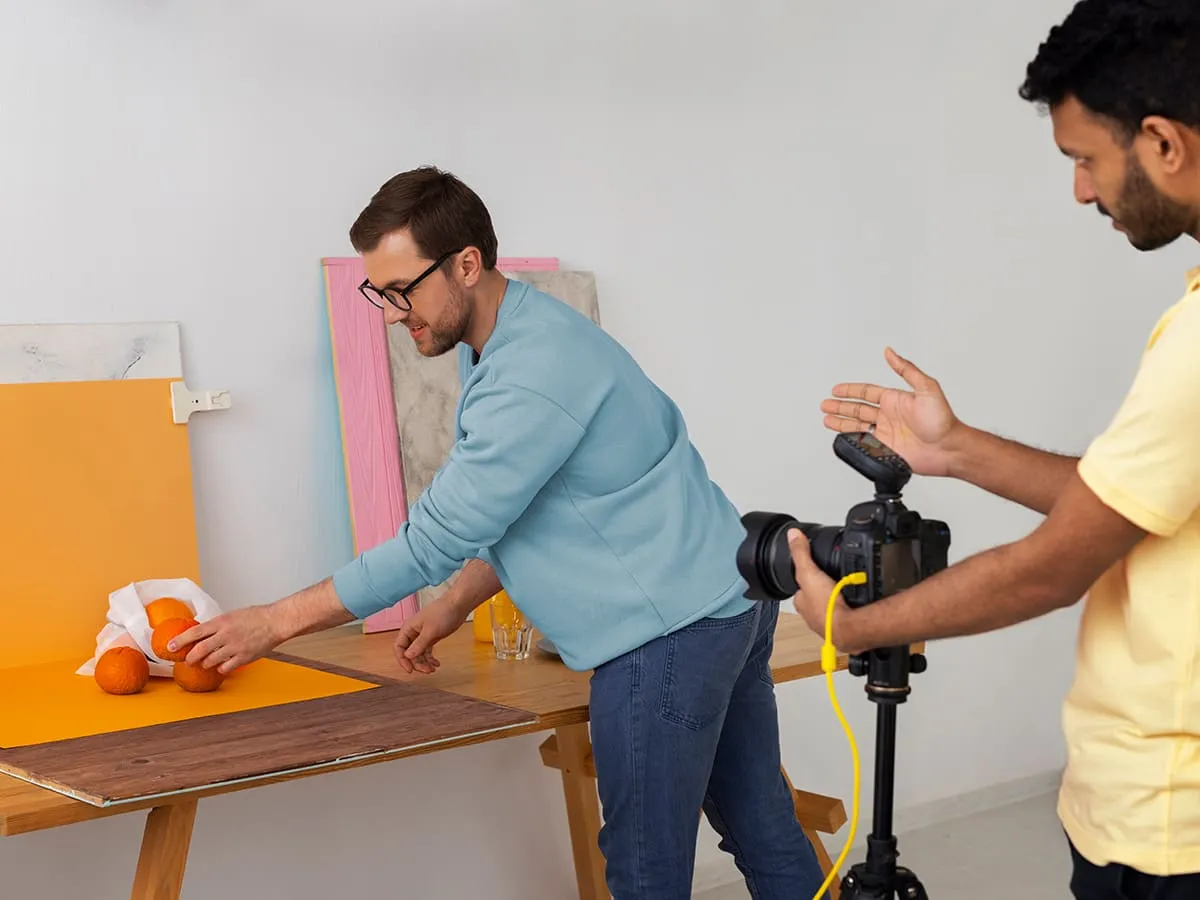
Animation Skills Unlocked: Level 4 Ideas for Beginners
After gaining confidence with basic concepts of 2D animation and 3D animation, it is time to dive deeper into more creative and hands-on animation techniques. At Level 4, you can explore Stop Motion, which is a fantastic way for beginners to experiment with physical objects and bring them to life frame-by-frame.
Stop Motion Animation Ideas
Stop motion is a traditional technique where you photograph physical objects, move them slightly between shots, and then play them in sequence to create the illusion of movement. It is a tactical and artistic method that requires patience, but it is incredibly rewarding. Here are some fun stop motion animation ideas for beginners:
- Claymation:
Use modeling clay to create characters or objects, and animate them by manipulating the clay in small increments. This is a great introduction to the possibilities of stop motion. - Object Animation:
Animate everyday objects (like cups, books, or pens) to give them life. Imagine a pencil walking across the table or a cup jumping into a stack of dishes. This helps you practice timing and simple movement. - Paper Cut-Outs:
Create simple characters or shapes using paper and animate them frame-by-frame. This technique is great for beginners and does not require complicated setups. - Stop Motion with Toys:
Using toys like action figures or dolls can provide an easy and fun way to practice stop motion. You can create stories or action sequences with these figures, helping you focus on character movement and staging. - Object Transformation:
Animate an object transforming into something else. For example, a pencil turning into a rocket. The transformation will challenge your creativity while helping you learn smooth transitions. - Shadow Play:
Use light sources to cast shadows and animate those shadows instead of the objects themselves. This adds an interesting twist to your stop motion experiments and teaches you about lighting and composition.
By incorporating these stop motion animation ideas, you will build hands-on skills that are essential for creating charming, engaging animations. The tactile nature of stop motion allows you to get a deeper understanding of motion, while keeping the process simple and manageable.
Key Points to Keep in Mind
- Start Simple: Whether it is easy animation ideas or small animation ideas, begin with basic concepts before diving into complex techniques.
- Focus on Fundamentals: Mastering animation basics like timing, spacing, and movement will make all the difference in the quality of your work.
- Experiment with Different Styles: Explore different techniques, such as 2D animation ideas or 3D animation ideas, to broaden your skill set.
- Be Patient: Animation takes time. Do not rush your progress—take it step by step, from simple animation ideas to more intricate projects.
- Practice Consistently: Like any other art form, animation improves with constant practice, so continue experimenting and learning as you go.
FAQs
The easiest animation project for a beginner is often a bouncing ball or a simple walking cycle, which helps you understand timing and basic movement.
To come up with ideas for animation, start by thinking about simple actions or objects that move, and build a story around them. Inspiration can come from everyday life, nature, or things you already know.
Begin with easy-to-use animation software like Toon Boom, Pencil2D, or Blender for 2D animation and 3D animation. These tools offer free versions and tutorials to get you started.
Some simple and creative animation ideas include bouncing balls, character reactions, and simple object transformations, which will help you understand the fundamentals.
Conclusion
Animation can be both exciting and overwhelming for beginners, but with simple animation ideas and consistent practice, you can quickly progress from basic to advanced levels. And then market yourself to generate revenue through various ideas.
The beauty of animation is that it provides endless opportunities for self-expression. With every idea you bring to life, you are telling a story, triggering emotions, and engaging your audience in a meaningful way. So, next time you are wondering what to animate, just take a deep breath, draw inspiration from your surroundings, and remember that no idea of animation is too small. Animation ideas are the stories you want to share with the world. The only limit is your imagination.
IT Verticals, a trusted animation and graphic design agency, offers exceptional services that include logo design, explainer videos, and motion graphics.
ITVerticals Services

Top 10 SEM/PPC Strategies for Better ROI in 2026
Adam Romy
May 25, 2026

Mobile App Development Cost: What You Need to Know in 2026
Adam Romy
May 18, 2026
Top 10 Instagram marketing strategies that work in 2026
John Costa
May 11, 2026

Phishing Techniques: Understanding and Preventing Cyber Threats
Samantha Leonie
October 30, 2025
How to Create a Landing Page That Actually Converts in 2026
Adam Romy
June 1, 2026
Top 10 SEM/PPC Strategies for Better ROI in 2026
Adam Romy
May 25, 2026
Mobile App Development Cost: What You Need to Know in 2026
Adam Romy
May 18, 2026
Top 10 Instagram marketing strategies that work in 2026
John Costa
May 11, 2026
Phishing Techniques: Understanding and Preventing Cyber Threats
Samantha Leonie
October 30, 2025
